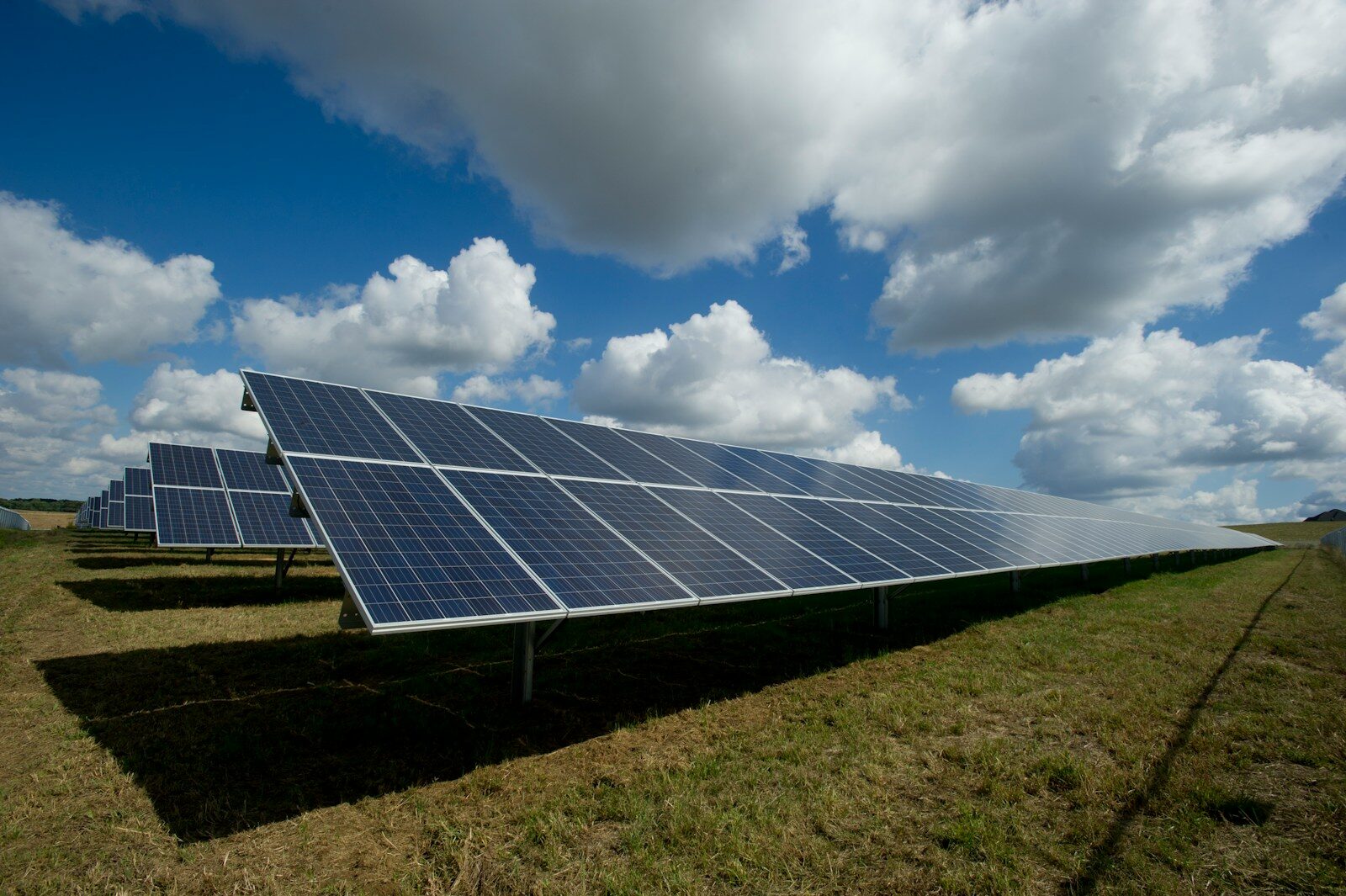
Solar panels can stay on a roof for decades, but they do not last forever. Storm damage, worn parts, roof work, or a system upgrade can eventually put a panel out of service.
When that day comes, throwing the panel in the trash should not be the first move. A working panel may still have value, and a damaged one may contain materials that can be recovered.
What Can Happen to an Old Solar Panel?
An old panel may be tested and reused, repaired, recycled, or handled under waste rules. The best path depends on its condition, age, type, and local rules. If you are also thinking about backup electricity, our guide to portable power stations and generators can help you look at the rest of your home power plan.
Before removing panels, check the warranty, lease, and installer paperwork. A manufacturer or installer may have a take-back program or a recycler they already use.
Why Solar Panel Recycling Matters
A typical crystalline-silicon panel contains a lot of glass, plus an aluminum frame, copper wiring, silicon cells, plastics, and other materials. Aluminum, glass, and copper can be useful again when a recycler can separate them.
The hard part is that a panel is built to survive outdoors. Its layers are bonded together. Taking them apart costs time, energy, and money. The U.S. Environmental Protection Agency explains solar panel recycling and waste rules, including why some discarded panels may need special handling.
That is also why you should not assume curbside recycling will take a panel. Call the recycler or local waste agency first.
Reuse May Come Before Recycling
A panel does not suddenly become useless because it is old. Many panels keep producing electricity after their peak years, though output can slowly fall. A qualified technician can test a panel and tell you whether it is safe and useful.
This is worth checking before a full replacement. Low production can also come from shade, wiring, an inverter problem, dirt, or another system issue. Replacing good panels creates waste and costs money that may not need to be spent.
How Solar Panel Recycling Works
The exact process varies by recycler. In many cases, workers first remove easy-to-separate parts such as the aluminum frame, junction box, and wiring. The remaining panel can then be processed to separate glass and recover other materials.
If you like measuring how much electricity your home equipment actually uses, a plug-in electricity usage monitor can also be useful for ordinary household appliances. It will not test a rooftop solar panel, but it can help you understand loads when planning home energy use.
A Simple Plan Before Removing Panels
1. Keep Your Records
Save the model and serial numbers, warranty, installer information, lease papers, and financing terms. These records can tell you who is responsible for removal and whether a take-back option exists.
2. Test the System First
Do not assume weak output means the panels have failed. Have the system checked before paying for removal. This same habit of finding the real source of wasted electricity is useful when dealing with vampire power and standby energy use around the house.
3. Ask About Take-Back Programs
Call the manufacturer and installer. Ask whether they accept old panels or work with a recycling company. Get the answer before a crew takes anything off the roof.
4. Use a Qualified Crew
Solar panels are large, heavy, glass-faced electrical equipment. Roof work adds another risk. A qualified crew can disconnect and remove the equipment without turning a recycling project into a roof leak or injury.
5. Check Local Waste Rules
Rules differ by location and by the type and condition of the panel. Your state environmental agency or local waste authority can tell you where panels may be taken.
Think About the Whole Home Energy Plan
Solar panels are only one part of a home’s power system. Batteries, generators, appliances, and outage plans all affect what equipment makes sense. If outages are part of the reason you are changing the system, our power outage food safety guide covers another practical part of preparing the house.
Outdoor systems also benefit from regular inspection. The practical maintenance approach used for gardens, irrigation, and other home systems at Wright Gardens is a useful reminder that catching small problems early can extend the useful life of equipment.
For basic record keeping during an inspection, a weather-resistant document folder can keep warranty papers, model numbers, and service notes together instead of scattered around the house.
Common Mistakes to Avoid
- Putting panels in curbside recycling without checking first.
- Removing panels before reading the warranty or lease.
- Replacing panels before checking the inverter and wiring.
- Hiring a crew that is not prepared for roof and electrical work.
- Buying or donating used panels without having them tested.
Can Solar Panels Last More Than 25 Years?
Yes. A panel can still make power after 25 years. Its output may be lower, and its condition matters. Age alone does not tell you whether it should be removed.
Plan for the Last Day From the First Day
When buying a solar system, ask what happens when the equipment wears out. Find out who removes it, whether the maker has a recycling program, and what the warranty covers. Keep those answers with the system records.
When an existing panel reaches the end of its useful life, start with testing instead of disposal. Reuse a safe panel when it still has a job to do. Recycle it through a proper handler when it does not. That simple order can save useful equipment, recover materials, and keep an old solar panel from becoming a bigger problem.