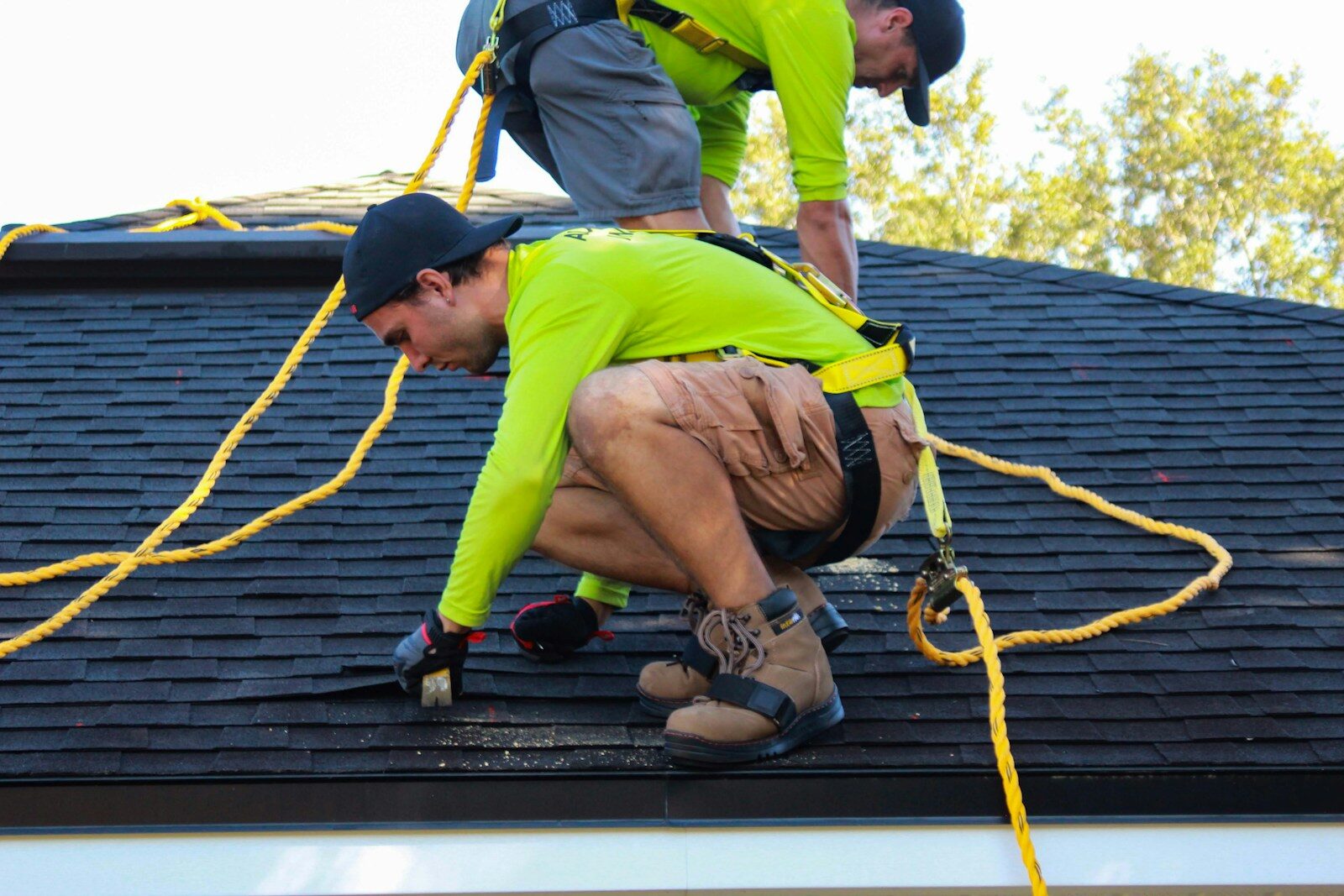
Your roof can look fine from the driveway and still matter a great deal to your home insurer. A roof protects almost everything below it, so even a small failure can turn into a costly claim.
That is why an insurer may ask about the roof’s age, material, condition, repairs, or replacement date. The company is trying to estimate future risk, not just decide whether the roof leaks today.
Why the Roof Matters So Much
A damaged roof can let wind and water into the house. Water can reach ceilings, walls, insulation, wiring, floors, and personal property. One roof claim can therefore become much larger than the cost of a few shingles.
Insurers often look at roof age because older materials may have less life left. Age is not the whole story. Installation quality, storm exposure, maintenance, tree damage, and the type of roofing all matter too.
If you live where storms are common, roof care fits into a larger home plan. Our flash flood safety guide explains why protecting records and planning before bad weather can save trouble later.
What an Insurer May Check
An insurer may use public records, aerial images, photos, or an in-person inspection. The company may look for missing shingles, lifted edges, sagging, damaged flashing, worn surfaces, poor repairs, moss, or branches touching the roof.
You do not need to climb onto the roof to do your own check. Stay on the ground and use binoculars for a basic roof inspection, or hire a qualified roofer when you need a closer look.
Roof Age Can Affect Coverage
An older roof does not always mean a policy will be canceled. Rules and underwriting standards vary. Still, age and condition can affect eligibility, price, deductibles, and how a roof loss is paid.
Read the policy instead of assuming every roof claim works the same way. The National Association of Insurance Commissioners’ homeowners insurance guide explains the important difference between replacement cost and actual cash value. Replacement cost generally does not deduct depreciation, while actual cash value does.
That difference can be large on an older roof. Ask your agent or insurer how your roof is covered, what deductible applies, and whether there is a special roof schedule or wind-and-hail provision.
Keep Good Roof Records
Good records can make an insurance review much easier. Keep the installation invoice, permit, warranty, roofing material, contractor name, repair receipts, and dated photos. If you replace the roof, save proof of the work.
A simple fire-resistant document bag can keep paper copies together. Digital copies are useful too, especially if a storm damages the house.
Fix Small Problems Early
Small roof defects are easier to handle before wind and rain make them worse. Have damaged shingles, failed pipe boots, loose flashing, and drainage problems repaired when you find them. Keep gutters and roof drains clear where appropriate.
Dead limbs over the house also deserve attention. Use a qualified tree service for large or dangerous work. Do not climb onto a wet or steep roof to save a few dollars.
Storm Preparation Goes Beyond the Roof
A strong roof helps, but storms can still cut power and disrupt the house. If you are building a wider emergency plan, our comparison of a portable power station versus a generator can help you choose backup power for outages.
For another practical look at backup energy, Noah’s Outdoors covers a portable solar generator for home and travel. Backup power does not protect the roof itself, but it can make the hours after a severe storm easier to manage.
Long outages can create a second problem in the kitchen. Our guide to food safety during a power outage explains what to keep, what to toss, and why a refrigerator thermometer matters.
What to Do if the Insurer Flags Your Roof
- Ask for the exact concern and deadline in writing.
- Check your roof records and confirm the installation date.
- Get a qualified inspection if the condition is disputed.
- Repair documented defects and keep receipts and photos.
- Ask whether repairs are enough or full replacement is required.
- If needed, compare insurance options before the deadline.
Common Roof and Insurance Mistakes
- Guessing the roof age on an insurance application.
- Ignoring a written inspection or repair notice.
- Hiring an unverified storm-chasing contractor.
- Signing claim or payment rights away without reading the agreement.
- Choosing a policy by premium alone without checking roof coverage.
- Waiting until the renewal deadline to shop for another policy.
Questions Homeowners Ask
Can an insurer refuse to renew a policy because of an old roof?
It can happen, but the rules vary by state and insurer. Roof age and condition may affect whether a home meets underwriting rules. Ask for the reason in writing and check with your state insurance department if you believe the action conflicts with state rules.
Does a roof inspection always mean I need a new roof?
No. An inspection may lead to a request for repairs, proof of age, better photos, or a professional report. Ask exactly what the insurer needs before paying for a full replacement.
Does homeowners insurance pay for normal roof wear?
Home insurance is generally meant for covered sudden losses, not routine aging and maintenance. The cause of damage and the wording of your policy control the claim.
Will a new roof lower my premium?
It may help with price or eligibility, but there is no universal discount. A new roof is a major home investment. Replace it because the house needs protection, not because you expect the insurance savings alone to repay the job.
Keep the Roof Story Clear
The best time to organize roof records is before an insurer asks for them. Know the age. Watch the condition. Fix small defects. Read the policy. Keep photos and receipts.
When a roof question comes up, good records give you something stronger than a guess. They help the insurer understand the home, and they help you make the next decision with facts.