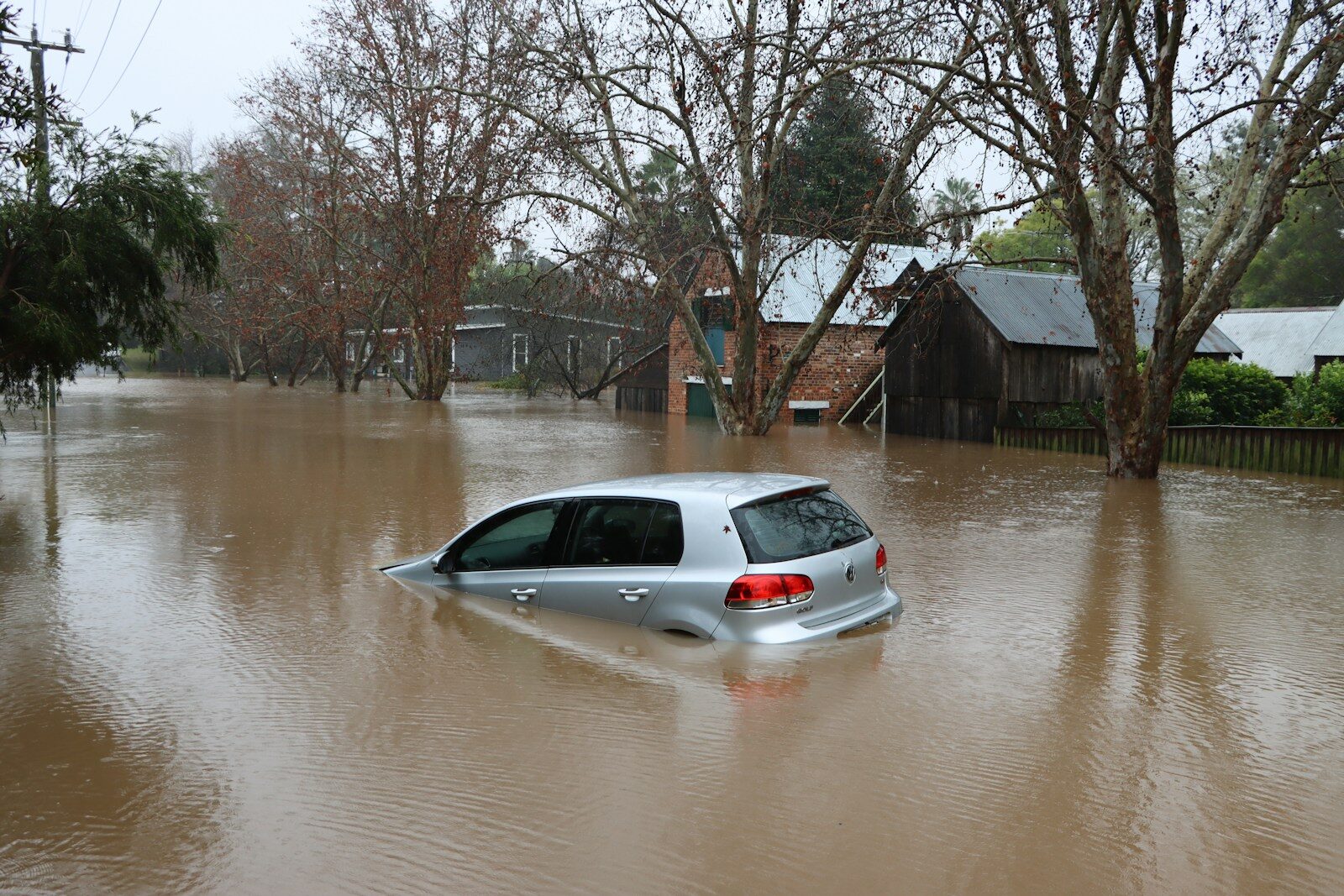
Flash floods can turn a normal rainstorm into an emergency in minutes. Water may rise before we have time to move a car, pack a bag, or decide which road is safe.
A good flood plan is simple. Know where water collects, get alerts, choose safe routes, protect key records, and leave early when officials warn you to go.
Know Your Flood Risk Before the Storm
Start with the places you use every day. Look at your driveway, nearby creeks, low bridges, drainage ditches, and roads that have flooded before. A route that works in dry weather may be the wrong route during heavy rain.
For a broader look at making calm choices before trouble starts, our real-world emergency preparedness guide turns a fun idea into a useful plan for water, food, communication, and evacuation.
Yard drainage can help with normal runoff. A planted low spot may also slow some rainwater. Wright Gardens shows how moisture-loving plants can fit into rain gardens and wet garden areas. That is useful landscape planning, but no rain garden should be treated as protection from a true flash flood.
Get Warnings You Can Hear
Turn on Wireless Emergency Alerts on your phone and use a trusted local weather source. A battery weather radio gives you another way to hear warnings if cell service or power fails. A NOAA weather radio can be a practical part of a home emergency kit.
Keep the radio, flashlights, shoes, medicine, and a charged power bank where you can reach them fast. If outages are common where you live, our guide to portable power stations and generators explains the tradeoffs and the serious carbon monoxide risk from fuel generators.
Never Gamble With Flooded Roads
The safest rule is also the easiest to remember: do not drive or walk into floodwater. You cannot see a washed-out road, a deep hole, or fast current under muddy water.
The National Weather Service flood safety guidance warns that six inches of fast-moving water can knock over an adult and 12 inches can carry away most cars. If a road is covered, turn around and find another route.
Protect Documents and Medicine
Keep IDs, insurance papers, titles, medicine lists, and important phone numbers above likely water level. Digital copies help, but it is also smart to keep essential paper records together. A waterproof document bag makes them easier to grab if you need to leave.
Take photos of your home, vehicles, tools, and valuable property before storm season. After a flood, take new photos before throwing damaged items away when it is safe to do so. Those records can make an insurance claim easier to explain.
Plan for Power and Food
Floods and power outages often arrive together. Keep refrigerators and freezers closed as much as possible. Do not guess about food that became too warm. Our power outage food safety guide explains what to keep, what to check, and when food should be tossed.
Never run a gasoline, propane, or other fuel-burning generator in a home, garage, carport, or other enclosed space. Floodwater also raises electrical risks. Do not enter standing water where outlets, wiring, appliances, or service equipment may still be energized.
Know What Insurance Covers
Do not assume a standard homeowners policy covers outside floodwater. Read your policy and ask your insurer what is excluded. Flood insurance may have a waiting period, so the time to check coverage is before a storm appears on the forecast.
Return Home With Care
Wait until local officials say it is safe to return. Wear sturdy shoes, gloves, and other protection during cleanup. Watch for unstable floors, broken glass, contaminated water, animals, mold, and electrical hazards.
Dry wet areas as soon as it is safe. Large losses may need professional cleanup. If you smell gas, see damaged electrical equipment, or suspect structural damage, leave the area and call the proper utility or trained professional.
Keep the Plan Short
A flood plan does not need to fill a binder. Keep alerts on. Know two routes to higher ground. Put medicine and records where you can grab them. Keep basic supplies ready. Move early when officials tell you to leave.
Most of all, never let a familiar road talk you into crossing moving water. A delayed trip is an inconvenience. A flooded crossing can become a life-or-death decision in seconds.