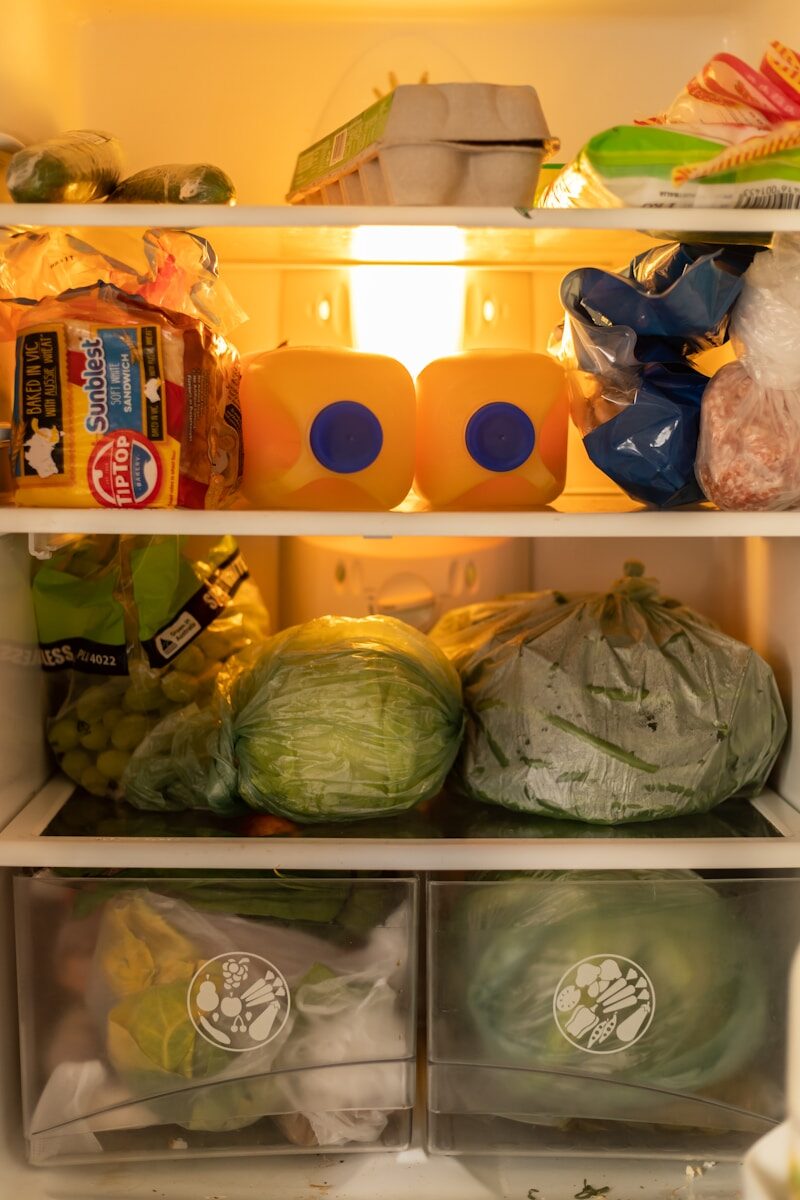
The power goes out, the house gets quiet, and we start thinking about the refrigerator.
Opening the door to check feels useful.
It is not.
Every look lets cold air out.
The safest plan follows time and temperature because smell and taste cannot prove food is safe.
The Plain Answer
Keep refrigerator and freezer doors closed. An unopened refrigerator keeps food cold for about four hours. A full freezer may hold temperature about 48 hours, or about 24 hours when half full. Discard high-risk refrigerated food after four hours without power unless it stayed at 40°F or below.
Why This Matters
Cold slows the growth of harmful bacteria. In other words, the small detail can shape the larger result. When we see that link, we can make a calmer choice instead of reacting to the first screen, price, warning, or problem.
A full freezer holds cold longer because the frozen food acts like stored ice. In other words, the small detail can shape the larger result. When we see that link, we can make a calmer choice instead of reacting to the first screen, price, warning, or problem.
Dangerous bacteria may grow without changing the food’s smell, color, or taste. In other words, the small detail can shape the larger result. When we see that link, we can make a calmer choice instead of reacting to the first screen, price, warning, or problem.
How It Works
The refrigerator has little stored cold compared with a packed freezer. The exact tools and terms may vary, but the basic path stays the same. Knowing that path makes it easier to spot a missing step or an unusual demand.
When food warms above 40°F, the safety clock becomes more important. The exact tools and terms may vary, but the basic path stays the same. Knowing that path makes it easier to spot a missing step or an unusual demand.
A thermometer and the presence of ice crystals provide better evidence than touching or smelling food. The exact tools and terms may vary, but the basic path stays the same. Knowing that path makes it easier to spot a missing step or an unusual demand.
A Practical Step-by-Step Plan
1. Keep the doors shut
Plan what you need before one quick opening and use a note to remind the household. Do the step before you need it in a hurry. Save any useful confirmation, receipt, photo, setting, or contact so the next decision starts with facts.
2. Use appliance thermometers
Keep one in the refrigerator and freezer and read them when power returns. Do the step before you need it in a hurry. Save any useful confirmation, receipt, photo, setting, or contact so the next decision starts with facts.
3. Move key food in time
When the outage will last, use a cooler with enough ice to stay at 40°F or below. Do the step before you need it in a hurry. Save any useful confirmation, receipt, photo, setting, or contact so the next decision starts with facts.
4. Check frozen food
Keep or refreeze items that still have ice crystals or measure 40°F or below. Do the step before you need it in a hurry. Save any useful confirmation, receipt, photo, setting, or contact so the next decision starts with facts.
5. Discard high-risk food
Follow official charts for meat, poultry, fish, eggs, milk, soft cheese, cooked vegetables, and leftovers. Do the step before you need it in a hurry. Save any useful confirmation, receipt, photo, setting, or contact so the next decision starts with facts.
6. Treat flood contact separately
Discard food and packages exposed to floodwater as emergency guidance directs. Do the step before you need it in a hurry. Save any useful confirmation, receipt, photo, setting, or contact so the next decision starts with facts.
The Tradeoffs We Should See
Dry ice can protect a freezer but can burn skin and release carbon dioxide, so gloves and ventilation matter. That does not make the option wrong. It means we should compare the benefit with the full cost, the work, and the risk that remains.
A generator can protect food but must stay outside because carbon monoxide can kill. That does not make the option wrong. It means we should compare the benefit with the full cost, the work, and the risk that remains.
Some insurance policies cover spoiled food within limits, but life safety and evidence come first. That does not make the option wrong. It means we should compare the benefit with the full cost, the work, and the risk that remains.
Common Mistakes
- Opening the refrigerator every hour
- Putting food outside in changing weather
- Tasting food to decide
- Keeping food because it smells fine
- Refreezing food that warmed too long
Most of these mistakes come from speed, not bad intent. A written checklist, one trusted source, and a saved record can prevent the same problem from returning.
Questions People Ask
How long is refrigerator food safe?
About four hours with the door closed, followed by a temperature and item check. When the answer affects safety, money, law, health, or a large purchase, check the current rule or ask a qualified professional who can see the full situation.
How long will a freezer stay cold?
About 48 hours when full and 24 hours when half full if it remains closed. When the answer affects safety, money, law, health, or a large purchase, check the current rule or ask a qualified professional who can see the full situation.
Can thawed meat be refrozen?
It can be refrozen when it still has ice crystals or measures 40°F or below. When the answer affects safety, money, law, health, or a large purchase, check the current rule or ask a qualified professional who can see the full situation.
What condiments keep better?
Mustard, ketchup, pickles, relish, jelly, and some sauces often keep better than dairy and meat foods. Use the official chart. When the answer affects safety, money, law, health, or a large purchase, check the current rule or ask a qualified professional who can see the full situation.
Should I trust the smell test?
No. Harmful bacteria may not change smell, color, or taste. When the answer affects safety, money, law, health, or a large purchase, check the current rule or ask a qualified professional who can see the full situation.
A One-Minute Decision Check
Before we act, it helps to name the result we want, the largest risk, and the proof that would change our mind. For power outage food safety, this pause keeps a small choice from becoming a larger problem. We can ask who controls the process, what could fail, and what record we would want later. The check is short, but it brings the decision back into our hands.
What This Means at Home
At home, a plan works only when more than one person can follow it. Write the main rule for power outage food safety in plain words. Put the needed number, setting, document, or tool where the action happens. Tell the people who share the home what to do first. Review the plan after a move, a new device, a storm, a purchase, or another major change.
What This Means for a Small Business
A small business has less room for a preventable loss. One unclear step involving power outage food safety can stop work, delay a customer, expose data, or create a bill. Give one person ownership and another person backup access. Keep a short written process, save proof of key actions, and test the process before the busy season rather than during a crisis.
Cold, Closed, and Measured
During an outage, the refrigerator door is a safety tool. Keep it closed. When power returns, use the thermometer and the official chart. Throwing away risky food hurts less than food poisoning.
Most of all, we do not need fear to make a careful choice. We need a clear first step, a good source, and enough time to check the result.
