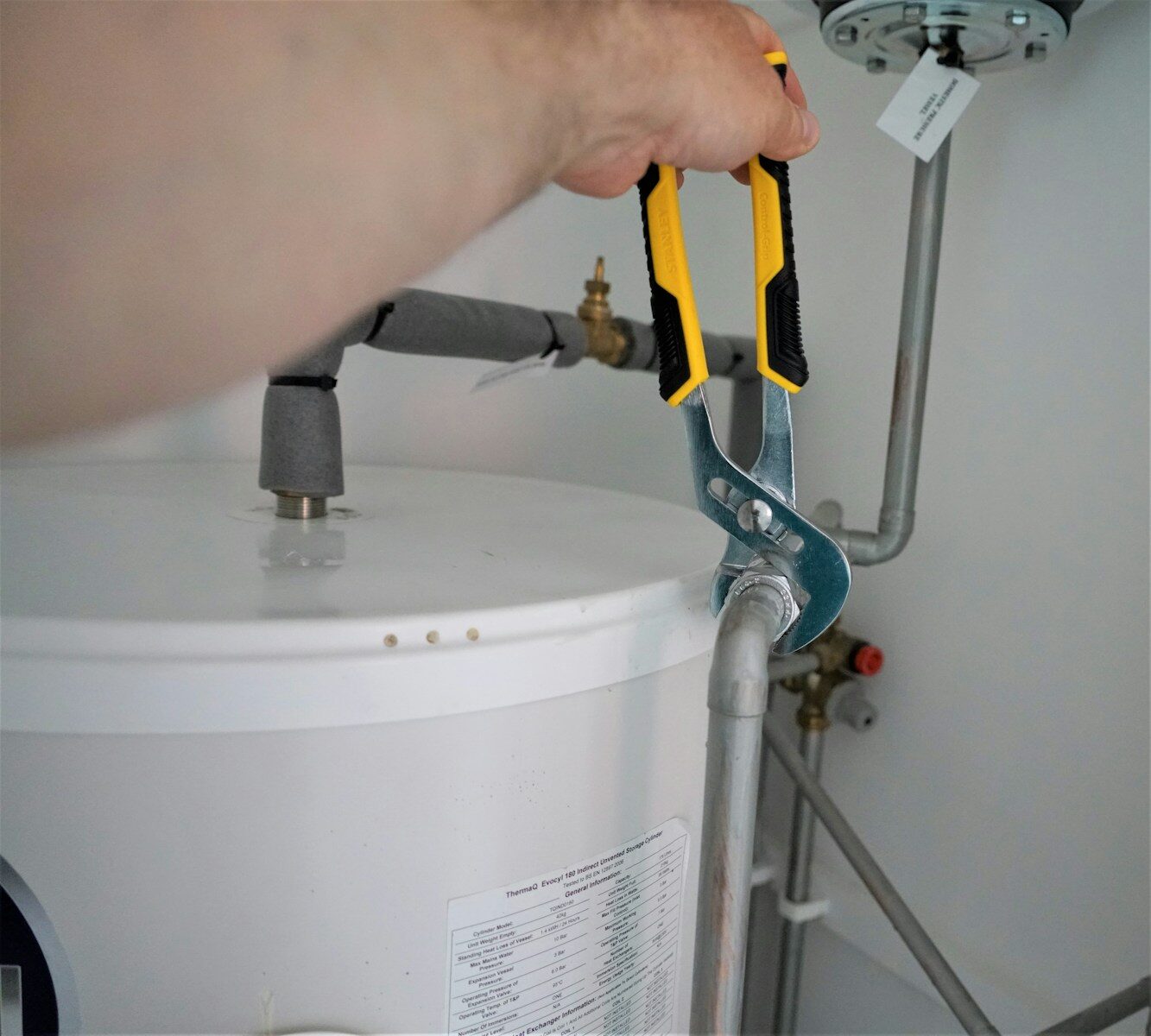
A water heater is easy to ignore until it leaks or the shower turns cold. Then the replacement can feel urgent, and it is tempting to buy the same type you already had.
That quick choice can affect your power bill for years. A heat pump water heater costs more up front than a basic electric tank, but it can use far less electricity when the home and installation are a good fit.
The Short Answer
For many homes replacing an electric resistance tank, a heat pump water heater is worth a serious look. The best fit is a home with enough room for airflow, a safe condensate drain, suitable temperatures, and enough tank capacity for busy mornings.
The U.S. Department of Energy explains how heat pump water heaters move heat instead of making all their heat with electric resistance. That basic difference is why they can use much less power.
How a Heat Pump Water Heater Works
Think of the unit as a refrigerator working in reverse. A refrigerator pulls heat out of its cabinet and sends it into the room. A heat pump water heater pulls heat from the room and sends it into the tank.
Most models also have electric resistance elements. Those elements can help when hot-water demand is high or the room is too cold for efficient heat-pump operation. Many units let you choose an efficiency, hybrid, electric, or vacation mode.
Because the unit takes heat from the surrounding air, the room may become a little cooler and drier. That can be welcome in a warm garage or basement. It may be less welcome in a small heated utility room.
Where the Savings Come From
Water heating is a large home energy load. That is why cutting its electricity use can matter more than chasing tiny standby loads. Our guide to vampire power and unplugging devices makes the same point: start with the loads that can move the bill the most.
Your actual savings depend on your electric rate, old water heater, household size, climate, tank temperature, and operating mode. Do not judge the purchase only by the price on the box. Compare the full installed cost with the expected yearly operating cost.
Rebates may help, but programs and eligibility can change. Check current federal, state, utility, and local programs before you count a rebate in your budget.
The Room Matters as Much as the Tank
A heat pump needs air. Before buying, read the maker’s rules for room volume, clearance, temperature, and ducting. A tiny sealed closet can be a poor fit unless the model and installation are designed for it.
The unit also makes condensate. Plan a reliable drain path before installation. In some homes, a condensate pump is needed. A drain pan and leak alarm can add another layer of protection where a leak could damage floors or walls. A simple water heater leak detector can be useful near the tank.
Noise matters too. A heat pump has a fan and compressor, so it will not be silent. If the utility room shares a wall with a bedroom or home office, check the sound rating before you buy.
Choose Enough Tank Capacity
Do not automatically replace a 50-gallon electric tank with another 50-gallon tank. Heat pumps recover heat more slowly when they stay in their most efficient mode. A larger tank can sometimes help a busy household avoid frequent resistance-element use.
Count real peak demand. Think about back-to-back showers, large tubs, laundry, dishwashing, guests, and the time of day when everyone needs hot water. Then compare the first-hour rating and recovery performance of the models you are considering.
Compare the Whole Installation Cost
The tank is only one part of the price. Your job may also need electrical work, a new drain, a condensate pump, a pan, permits, ducting, or changes to the room. Get those costs before comparing payback.
A small clamp meter for household electrical checks can help a qualified user measure loads, but water-heater wiring and code work should be handled by someone with the right training when required.
If outages are common where you live, remember that a heat pump water heater still needs electricity. Our comparison of a portable power station versus a generator can help you think through backup power for essential home loads. For another look at battery-based backup systems, Noah’s Outdoors has a practical portable solar generator overview.
Maintenance Is Simple but Important
The air filter needs regular cleaning so the heat pump can breathe. The condensate drain also needs to stay clear. Follow the maker’s instructions for tank care, anode inspection, and flushing when those steps apply to your model and water conditions.
It is also smart to look around the tank now and then. Check for moisture, corrosion, unusual sounds, or a blocked drain. Small problems are easier to handle before they become a flooded utility room.
Heat Pump Water Heater vs. Gas
The choice is less obvious when you are replacing a gas water heater. Local gas and electric prices matter. So do venting, electrical service, installation cost, climate, and the value you place on removing combustion equipment from the home.
Get real local prices for both options. Then compare the installed price and expected yearly cost instead of assuming one fuel is always cheaper.
Common Mistakes to Avoid
- Putting the unit in a room that is too small for the maker’s airflow rules.
- Ignoring condensate drainage until installation day.
- Buying the same tank size without checking peak hot-water demand.
- Comparing appliance prices while ignoring electrical, drain, permit, and labor costs.
- Counting on a rebate before confirming current eligibility.
- Ignoring fan and compressor noise near bedrooms.
Questions People Ask
Will it make enough hot water?
Usually, if it is sized for the household. Heavy back-to-back use may call for a larger tank or a hybrid mode that allows resistance heat to help during peak demand.
Can it go in a garage?
Often, yes. A garage can provide useful air volume, but you still need to follow the model’s temperature, clearance, protection, and local code requirements.
How long is the payback?
There is no single answer. Subtract confirmed incentives from the full installed cost, compare that with the alternative, and estimate yearly energy savings using your own utility rate.
Does it help during a power outage?
No electric water heater can keep heating normally without power unless a suitable backup system supplies it. During an outage, the insulated tank may keep already-heated water warm for a while. For food and household planning during outages, see our power outage food safety guide.
When It Is Probably Worth It
A heat pump water heater makes the most sense when you are replacing a standard electric tank, have a suitable room, can drain condensate safely, expect to stay in the home for several years, and want to lower a large electric load.
It may be a weaker fit when space is very tight, the room stays cold, noise is a major concern, installation changes are costly, or the household needs unusually fast hot-water recovery.
Measure First, Then Buy
The best heat pump water heater is not simply the model with the highest efficiency number. It is the one that fits the room, handles your family’s peak demand, drains safely, and saves enough over time to justify the installed price.
Measure the space. Check the drain. Price the full job. Compare current incentives. Then choose the tank size and operating mode that let the heat pump do most of the work.