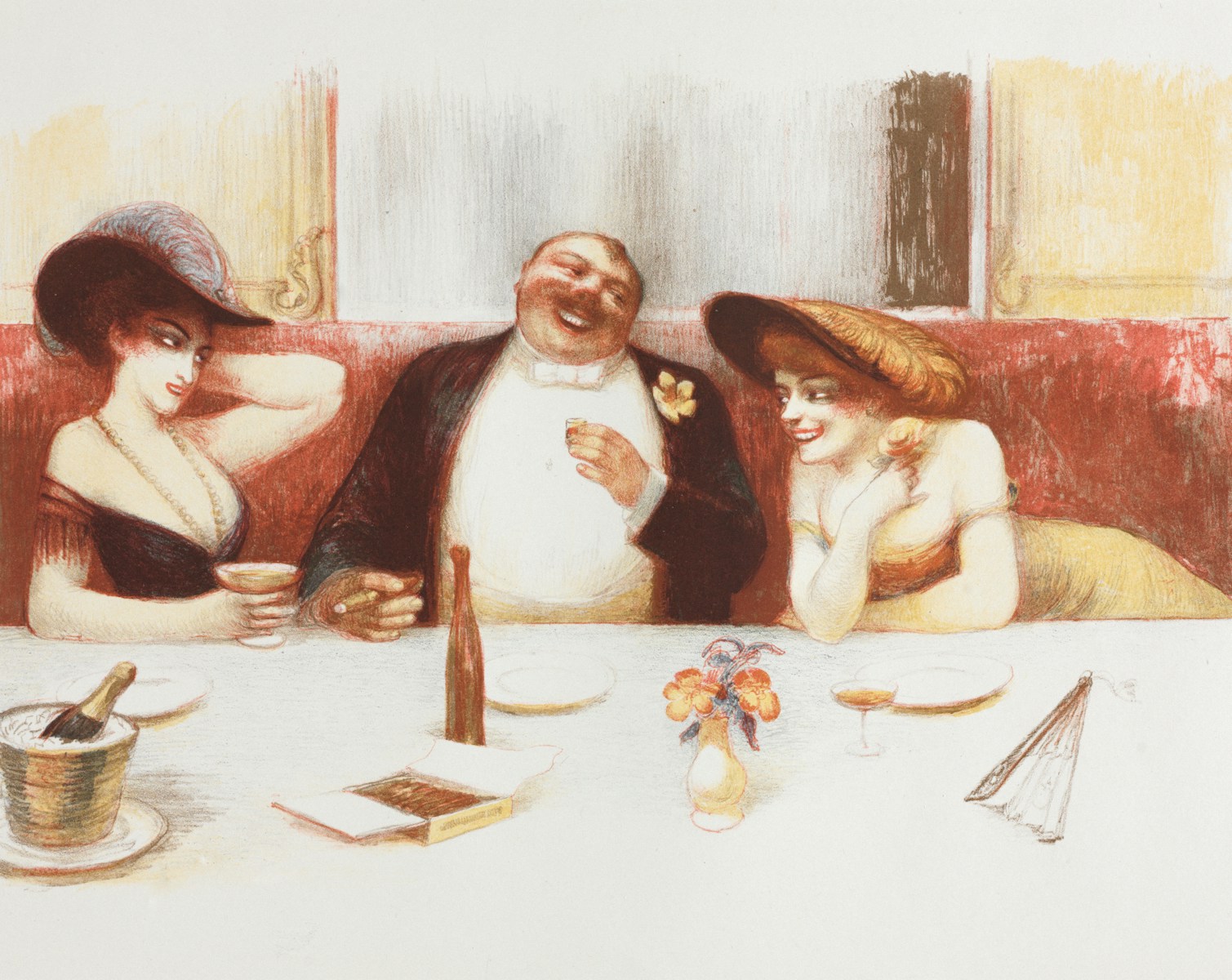
People in nineteenth-century America were generally leaner than Americans today, but saying obesity was “almost nonexistent” goes farther than the evidence allows. The United States did not run modern national health surveys in the 1800s, so historians have to reconstruct body size from narrower records such as military files, prisons, pensions, medical examinations, and occasional occupational or political records.
Those records consistently suggest lower average body mass and much lower obesity prevalence in many studied groups. They also come with important limits: they often overrepresent men, workers, soldiers, prisoners, particular regions, or people healthy enough to enter certain occupations. The honest conclusion is not that everyone in 1890 was thin. It is that the population distribution appears to have been substantially leaner than the one we see today.
What the Historical Records Actually Show
Studies using late-nineteenth-century U.S. records have found obesity rates in the low single digits in some male populations. One long-run analysis of white U.S. men estimated obesity prevalence around 3.4% in 1890–94. A study of Texas prison records from 1876–1919 found obesity around 1.2% in that selected male population.
Other historical datasets show most recorded adults clustering in what we would now call the normal BMI range. That pattern is consistent enough to support the idea that high body weight was less common, while still reminding us that the data are not a perfect census of nineteenth-century America.
The Best National Comparison Starts in 1960, Not 1860
The strongest U.S. trend data come from measured national surveys beginning in 1960–62. The National Center for Health Statistics reports that among adults ages 20–74, age-adjusted obesity prevalence was 13.4% in 1960–62. By the August 2021–August 2023 survey period, obesity among U.S. adults age 20 and older was 40.3%, with severe obesity at 9.7%.
The CDC/NCHS historical obesity trend report is useful because the heights and weights were measured rather than guessed from photographs or self-report. It documents a large twentieth- and twenty-first-century rise without requiring us to pretend we have equally complete national measurements from the 1800s.
Old Photographs Are Weak Evidence
It is tempting to flip through Civil War portraits or old family albums and say, “Nobody was obese.” Photographs can illustrate a period, but they are a poor way to estimate population prevalence.
Who could afford a portrait, who chose to be photographed, how clothing was cut, how people posed, and which pictures survived all introduce bias. Historical height-and-weight records are imperfect too, but they are much better than visual impressions.
Daily Life Was Often More Physically Demanding
Many nineteenth-century jobs required sustained physical labor. Farming, logging, mining, construction, domestic work, factory labor, animal care, hauling goods, and walking for transportation could all demand far more movement than a modern desk job.
That does not mean every person spent the day doing backbreaking work. Cities had clerks, merchants, professionals, business owners, and people with servants or employees. Wealth also affected diet and activity. Still, routine movement was built into more parts of everyday life than it is for many people today.
Food Was Different—but Not Automatically Better
The nineteenth-century food system had less refrigeration, fewer convenience foods, fewer ready-to-eat snacks, and much less constant commercial access to sweetened beverages and packaged foods. Many households prepared more food from basic ingredients. Growing and cooking fresh foods also remains practical today; Alabama Grown’s guide to growing lettuce is one simple example of producing food close to home.
But “old-fashioned food” was not automatically healthy. Diet quality depended heavily on class, region, season, food preservation, crop success, access to livestock, and income. Some people ate monotonous diets. Foodborne illness was a bigger problem. Deficiencies and undernutrition existed. High-fat meats, refined flour, sugar, alcohol, and rich desserts were not inventions of the twenty-first century.
Sugar Was Not Simply “Rare” Throughout the 1800s
Sugar became progressively cheaper and more widely consumed during the nineteenth century as global production and trade expanded. By the late 1800s, Americans were not living in a sugar-free world.
The more important difference is that modern consumers can encounter added sugars across a huge number of beverages, snacks, desserts, sauces, breakfast foods, and convenience products every day, often with little preparation effort.
The Food Environment Became More Convenient and More Constant
Modern food is available almost everywhere: supermarkets, vending machines, drive-thrus, pharmacies, gas stations, delivery apps, convenience stores, workplaces, sporting events, and online ordering. Eating no longer requires much time, planning, or physical effort.
Portions also grew in many restaurant and beverage settings. Large packages lowered the effort required to consume more. Advertising became constant. Food companies became much better at producing inexpensive products with combinations of salt, refined carbohydrates, fats, flavors, and textures that people enjoy eating.
Ultra-Processed Foods Are Part of the Debate, Not the Whole Explanation
Researchers have found associations between high intake of foods classified as ultra-processed and several adverse health outcomes. Controlled feeding studies also suggest that some ultra-processed diets can lead people to eat more calories without deliberately trying to do so.
But even the federal government is still working out what “ultra-processed” should mean. Our updated guide to the federal ultra-processed food definition project explains why processing level and nutritional quality overlap without being exactly the same thing.
Activity Matters Even If Metabolism Adapts
Research on hunter-gatherer populations has complicated the old assumption that highly active people simply burn enormous extra amounts of energy every day. Total daily energy expenditure can adapt to activity levels more than a simple “steps in, calories out” model suggests.
That does not make movement irrelevant. Physical activity improves cardiovascular fitness, insulin sensitivity, muscle and bone health, sleep, mobility, and mental health. It can also help with weight regulation. It simply means obesity is not explained by one variable such as exercise alone.
Sleep, Stress, Work, and Time Changed Too
Modern life changed more than food and transportation. Shift work, artificial light, long commutes, screen time, disrupted sleep, chronic stress, and highly scheduled days can all influence appetite, activity, meal timing, and food choice.
It is hard to isolate one cause because these changes arrived together. The rise in obesity is better understood as the result of an environment that makes high-calorie food easy to obtain while making routine movement easier to avoid.
Genes Did Not Change Fast Enough to Explain the Rise
Genetics strongly influences body weight, appetite, fat distribution, and susceptibility to obesity. But the human gene pool did not transform between 1960 and today fast enough to explain the national rise by itself.
A useful way to think about it is that biology sets a range of susceptibility while the environment changes how often that susceptibility is expressed. Two people can live in the same food environment and respond differently without either person being a simple story of discipline or failure.
Poverty and Obesity Can Coexist
One major difference from earlier eras is that excess calories and nutritional insecurity can exist in the same household. Cheap calories are often easy to obtain while fresh food, time to cook, safe places to exercise, medical care, and reliable transportation may be harder to access.
That is why a realistic food plan has to account for money and time. Our guide to building a weekly food budget focuses on what households can actually sustain rather than assuming everyone shops in the same neighborhood with the same resources. For people who cook at home and want to understand portions rather than guess at them, a simple digital kitchen scale can also be a useful measuring tool.
Comfort and Culture Still Matter
Food is not just energy. It is family, memory, religion, celebration, migration, regional identity, convenience, and pleasure. That did not begin with fast food.
Our look at the psychology of comfort food shows why people eat for reasons that cannot be reduced to hunger alone. Any useful discussion of modern obesity has to account for that human side rather than pretending food choices happen in a vacuum.
The 1800s Were Not a Health Golden Age
Lower obesity prevalence does not mean nineteenth-century Americans were healthier overall. Infectious disease, unsafe childbirth, occupational injuries, contaminated water, poor sanitation, malnutrition, limited medical treatment, and much shorter life expectancy created enormous health burdens.
It would make little sense to trade modern medicine, sanitation, food safety, and living standards for a lower average BMI. The useful question is which parts of the modern environment can be improved without romanticizing a harsher past.
What Actually Changed?
- Food became cheaper, more available, more portable, and easier to consume around the clock.
- Many jobs and forms of transportation became less physically demanding.
- Restaurant and packaged-food portions grew in many settings.
- Highly palatable packaged and ready-to-eat foods became a much larger part of the food supply.
- Advertising and food delivery made eating cues almost constant.
- Sleep, stress, work schedules, and daily routines changed.
- Genetic susceptibility remained, but the environment made weight gain easier for more people.
The Historical Lesson Is About Environment, Not Nostalgia
The strongest historical lesson is not “eat exactly like someone in 1880.” We do not even know exactly what most Americans ate, and their diets varied enormously by region, class, race, occupation, and season.
What the long-run evidence does show is that body weight shifted as the environment shifted. Obesity prevalence rose dramatically during the period when food availability, work, transportation, marketing, portions, and eating patterns changed together.
That makes obesity a population-level problem as well as an individual one. Personal choices matter, but those choices are made inside an environment that can make some options cheap, convenient, visible, and rewarding while making others slower, harder, or more expensive.