“Ultra-processed food” has become one of the loudest phrases in nutrition, but the term still does not have one official U.S. legal definition. Researchers use classification systems such as NOVA, lawmakers in some states have proposed their own approaches, and federal agencies are now trying to decide what a consistent national definition should actually measure.
That distinction matters. As of August 31, 2026, the federal government has not adopted a final definition of ultra-processed food, and packaged foods are not required to carry a federal “ultra-processed” warning label. FDA and USDA are still analyzing comments, research, and possible criteria from a process that began in 2025.
What the Federal Government Has Actually Done
In July 2025, FDA and USDA launched a joint Request for Information asking scientists, industry groups, health organizations, consumers, and other interested parties what should count as an ultra-processed food in the United States.
The comment period was later extended and closed on October 23, 2025. In its 2026 Human Foods Program priorities, FDA said it would continue working with USDA and other federal partners to analyze the comments and research and develop a federal definition.
The FDA’s current ultra-processed foods page still describes the definition as a work in progress. That is the clearest way to understand the status today: this is an active federal policy project, not a finished labeling rule.
Why Defining “Ultra-Processed” Is Harder Than It Sounds
We often talk about ultra-processed foods as if everyone means the same thing. They do not.
The widely used NOVA system groups foods by the nature and purpose of processing. Its ultra-processed category generally includes industrial formulations made from food-derived substances, additives, flavors, colors, emulsifiers, sweeteners, or other ingredients not normally used in ordinary home cooking.
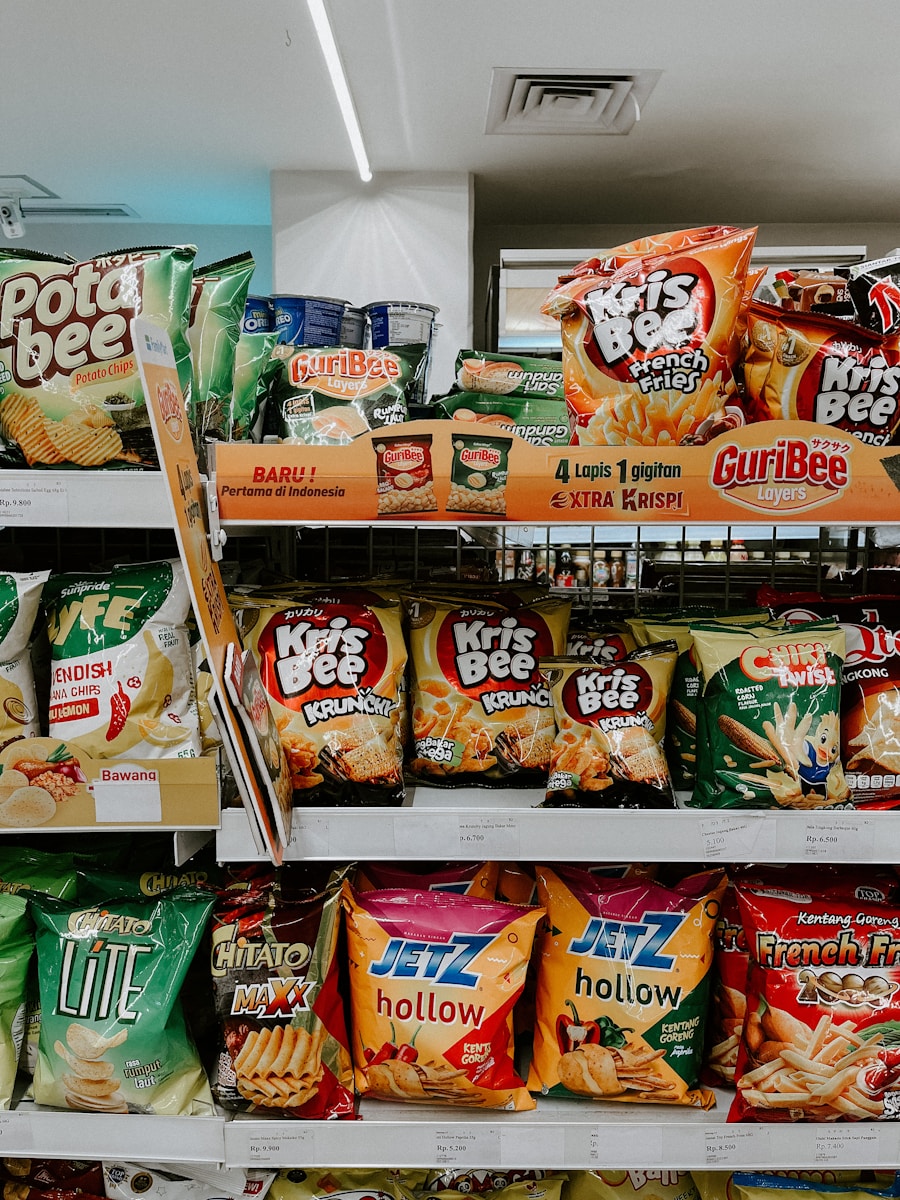
That can include obvious examples such as many soft drinks, packaged sweets, chips, and some ready-to-eat meals. But depending on the system, the same broad category can also capture whole-grain breads, flavored yogurts, breakfast cereals, plant-based products, or other foods that may provide useful nutrients.
That is one reason federal agencies are being careful. A definition that is too broad could tell consumers that a nutrient-dense packaged food belongs in the same practical bucket as candy or soda simply because both involve industrial processing.
Processing Is Not Automatically the Same as Poor Nutrition
Almost everything in a grocery store has been processed in some way. Frozen vegetables are processed. Milk is pasteurized. Beans are canned. Flour is milled. Yogurt is fermented. Bread is baked.
The policy debate is not about whether food has been touched by a machine. It is about whether certain forms of industrial formulation, ingredient combinations, structure, additives, energy density, eating rate, portioning, marketing, or other characteristics contribute to poorer health outcomes beyond what we can explain with familiar measures such as calories, fiber, sodium, saturated fat, and added sugars.
The Health Evidence Is Important—but It Is Not One Simple Story
Large observational studies have repeatedly found that people who consume more foods classified as ultra-processed tend to have higher rates of obesity, cardiovascular disease, type 2 diabetes, and some other poor health outcomes.
Those associations matter. They do not automatically prove that “processing” itself is the single cause. Diet patterns are complicated. People who eat more ultra-processed products may also differ in total calories, fiber intake, socioeconomic conditions, smoking, physical activity, sleep, food access, and many other factors.
Controlled feeding research has strengthened the concern by showing that some ultra-processed diets can lead people to eat more calories and gain more weight than matched less-processed diets. Even there, researchers are still working out which characteristics matter most: energy density, texture, eating speed, palatability, food structure, macronutrient combinations, additives, or several of these at once.
Why a Federal Definition Could Matter
A common federal definition could make research easier to compare. If different agencies and scientists classify the same product differently, it becomes difficult to measure consumption, study health effects, or design programs consistently. For a practical contrast with packaged convenience foods, growing fresh lettuce at home is one simple way to put minimally processed food on the table. Shoppers who want to compare portions while reading labels may also find a digital kitchen scale useful.
A definition could eventually influence dietary guidance, federal food programs, procurement standards, research priorities, or future labeling proposals. But those are possible downstream uses. Creating a definition does not automatically create a warning label, ban, tax, school-food restriction, or manufacturing requirement.
A Definition Would Not Make Every Food Decision Easy
Imagine two packaged foods both classified as ultra-processed. One may be high in added sugar, sodium, and calories with little fiber. Another may be a fortified whole-grain cereal or yogurt that provides protein, calcium, fiber, or other useful nutrients.
If both carry the same processing label, consumers may still need the Nutrition Facts panel and ingredient list to decide which better fits their needs. Processing classification and nutritional quality overlap, but they are not identical concepts.
The Ingredient List Still Matters Today
While the federal definition is being developed, shoppers already have useful information. The Nutrition Facts label shows calories, sodium, added sugars, saturated fat, fiber, protein, and important nutrients. Ingredients are listed by weight.
You do not need to fear an ingredient simply because its name is unfamiliar. Some long chemical-sounding names are vitamins, preservatives, emulsifiers, acids, or other substances used for safety, texture, stability, or nutrition. The question is what the whole food contributes to your diet, how often you eat it, and what it tends to replace.
Convenience Is a Real Nutrition Issue Too
People do not choose food in a laboratory. We choose it between work, school, childcare, commuting, budgets, medical needs, cooking ability, kitchen access, and whatever the grocery store actually stocks.
A packaged food that makes breakfast possible may be more useful than an idealized meal that nobody has time or money to prepare. Our guide to building a realistic weekly food budget makes the same point: a food plan only works when it fits the household using it.
Not Every Packaged Snack Is the Same
One practical way to shop is to compare foods within the category you are actually buying. If you want a snack, compare sodium, added sugar, fiber, protein, portion size, and ingredients among several realistic choices instead of asking whether every packaged snack is “clean.”
Our article on simple healthier snack choices focuses on that everyday comparison rather than pretending everyone has time to cook every snack from scratch.
Comfort Food Shows Why Processing Alone Cannot Explain a Meal
Food also has cultural and emotional meaning. A packaged soup, boxed macaroni and cheese, frozen dumpling, breakfast cereal, or particular brand of cookie may be tied to childhood, migration, family, illness, celebration, or convenience during a hard season.
Our research-grounded look at the psychology of comfort food explains why memory and social connection can matter as much as the ingredient list when we talk about what people actually eat.
What the 2025 Public-Comment Process Asked
FDA and USDA asked for input on questions such as which characteristics should define ultra-processed foods, whether the government should use one category or several, how processing should be distinguished from nutritional quality, and how a definition might avoid unintended consequences.
The agencies also acknowledged that proposed state definitions differ. A federal standard could reduce that fragmentation, but only if it is scientifically useful and practical enough to apply consistently across an enormous food supply.
The Public-Comment Window Is Closed
Older versions of this article encouraged readers to submit comments “when the RFI opens.” That period is over. The comment window closed October 23, 2025 after an extension.
The next meaningful milestone is publication of the federal definition or another formal agency action. Until then, claims that the government has already decided what counts as ultra-processed are premature.
What Has Not Happened Yet
- There is no final federal legal definition of ultra-processed food yet.
- There is no nationwide federal requirement that packages display an “ultra-processed” warning.
- A federal definition does not automatically ban any food.
- The definition itself will not determine whether every product is nutritionally good or bad.
- The scientific questions about mechanisms and causality are still being studied.
What Consumers Can Do Right Now
You do not have to wait for Washington to define a new category before improving a diet. Build more meals around fruits, vegetables, beans, whole grains, nuts, seeds, dairy or appropriate alternatives, eggs, fish, meats, and other minimally processed staples that fit your needs and budget.
At the same time, there is no need to panic over every package. Use processed foods where they solve real problems. Compare labels. Watch added sugars, sodium, saturated fat, fiber, and portion size. Choose convenience foods that contribute useful nutrition when possible.
The Definition Matters, but the Details Matter More
The federal effort to define ultra-processed foods could become important for research and policy. It may eventually change how agencies talk about the food supply. It could influence future programs or labeling debates.
But the most useful definition will have to do more than divide the grocery store into “real food” and “fake food.” It will need to distinguish meaningful processing characteristics, work across thousands of products, recognize nutritional differences, and avoid making healthy choices harder for people who depend on affordable packaged foods.
As of August 31, 2026, that work is still underway. The honest headline is not that America has finally named ultra-processed food. It is that federal agencies are still trying to decide exactly what the name should mean.