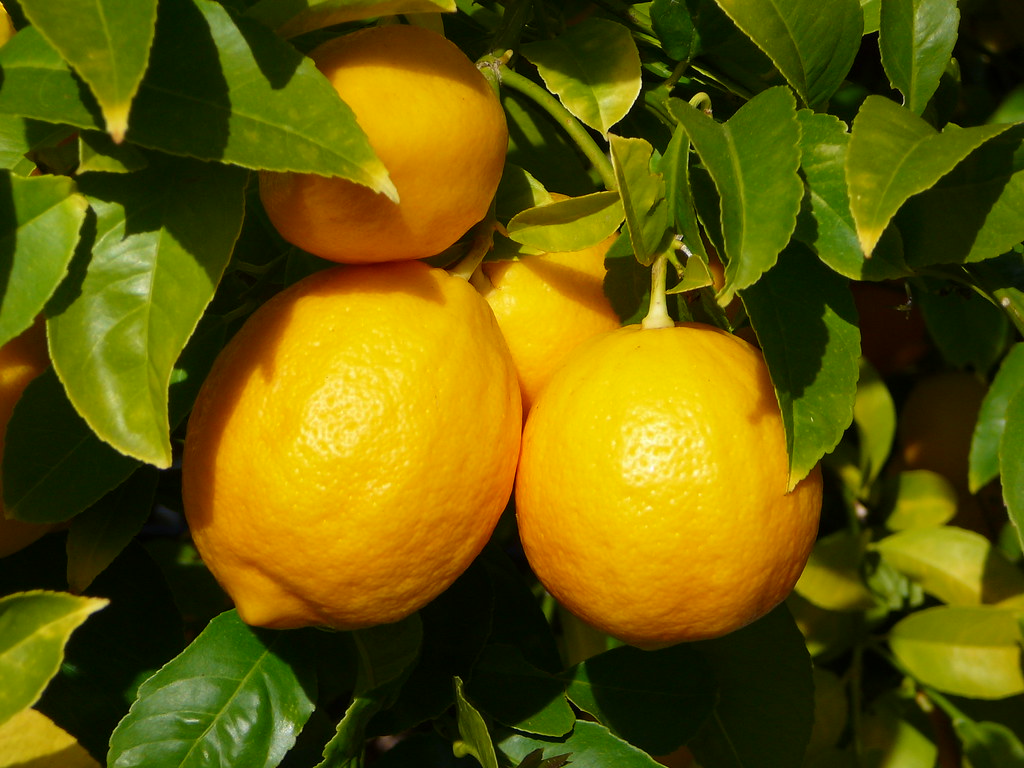
When life gives you lemons, make lemonade, right? But Meyer lemons can do much more than that. These sweet, fragrant citrus fruits work in the kitchen, brighten a patio, and make an attractive container plant. Here is why I think they earn their keep.
The fruit is usually sweeter and less sharply acidic than a standard grocery-store lemon. That makes Meyer lemons easy to use in drinks, desserts, sauces, and savory dishes without overwhelming everything else on the plate.
Culinary Uses
Penn State Extension’s citrus guidance is a useful reference if you want to grow lemons at home. In the kitchen, Meyer lemon juice works well in lemonade, cocktails, vinaigrettes, marinades, and risotto. The zest adds a bright citrus note to cakes, cookies, muffins, and lemon curd.
Nutrition and Everyday Use
Like other citrus fruit, Meyer lemons provide vitamin C and plant compounds such as flavonoids. I treat them as a flavorful ingredient rather than a cure-all. A good citrus zester makes it much easier to use the fragrant outer peel without digging into the bitter white pith.
An Attractive Container Citrus
Meyer lemons also earn their place as ornamentals. Their glossy foliage, fragrant flowers, and colorful fruit make them especially appealing on patios and in bright protected spaces. If you enjoy hands-on garden work, a container-grown citrus tree is a rewarding project. Alabama Grown’s guidance on growing plants in containers also illustrates why a well-drained potting mix, good light, and attentive watering matter so much in container culture.
Propagation
If you want a tree with predictable fruit quality, grafting or buying a known cultivar is safer than relying on seed. Our look at the science of grafting trees explains why growers join a desired scion to a suitable rootstock. Seed-grown citrus can vary and may take years to reach useful fruiting size.
Meyer lemons are useful because one plant can be ornamental, edible, and genuinely fun to grow. Use the fruit in the kitchen, enjoy the flowers and foliage, and treat the tree as a long-term container plant. For more ideas about putting fresh plant foods to work, our plant-based recipes for beginners are an easy next stop.