There was a time when a store full of movies, games, music, and odd little collectibles felt normal. We walked in, wandered, picked things up, changed our minds, and left with something we could hold. That kind of shopping felt fun. It felt human.
Now it feels rare.
That is why Entertainment Mart stands out. When I think about stores like this, I do not think about retail first. I think about memory. I think about browsing without a screen telling me what I already like. I think about finding one great thing I was not looking for. That still matters.
In a world built on subscriptions, feeds, and endless scrolling, a place like Entertainment Mart feels almost stubborn. I mean that in a good way. It gives us shelves instead of algorithms. It gives us ownership instead of access. File Clerk Meaning, Job, and Daily Work. It gives us the chance to trade, compare, discover, and bring something home for real.
What Entertainment Mart Actually Is
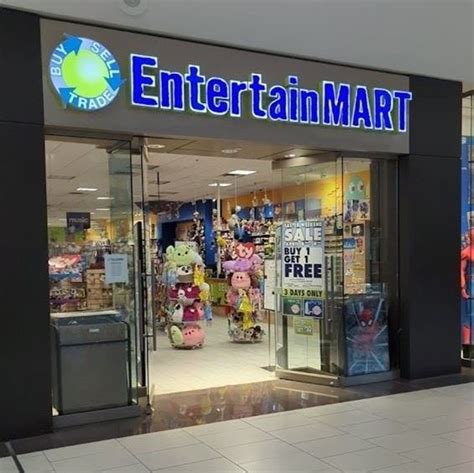
Entertainment Mart is part of the Vintage Stock family of stores. On its official site, Vintage Stock says it operates more than 70 stores across 14 states under the Vintage Stock, Movie Trading Company, V-Stock, and EntertainMart names. The company says it buys and sells video games, DVDs, CDs, LPs, comic books, toys, trading cards, and other new and used pop culture items.
That matters because Entertainment Mart is not just one random store with a fun name. It sits inside a larger used-and-new media network. In other words, it is built around a full ecosystem. You can shop, trade items in, hunt for older titles, buy newer releases, and browse categories that most big-box stores now treat as an afterthought. The official site also says stores offer rentals, disc repair, buying and trading, and access to company inventory.
To me, that is the real hook. Entertainment Mart is not trying to be only a toy shop, only a record shop, or only a game store. It tries to be a pop culture superstore. That broad mix is part of its appeal. You can walk in for a game and walk out with a vinyl record, a poster, a used Blu-ray, and a weird collectible you did not know existed five minutes earlier.
Why Stores Like This Feel Different Now
How Fast Is 128 kbps? The market around stores like Entertainment Mart has changed hard and fast. Streaming now dominates music revenue in the United States. The RIAA says streaming made up 82% of total U.S. recorded music revenue in 2025, while paid subscriptions reached 106.5 million accounts and $6.4 billion in revenue.
Movie buying changed too. Best Buy told CBS Minnesota in late 2023 that it would stop selling DVDs and Blu-rays in stores and online, saying the way people watch movies and TV is much different now and that the company wanted to use the space for other tech.
So when we walk into Entertainment Mart today, we are not walking into a normal retail category. We are walking into one of the few places still betting that physical media, used media, and collector culture all belong under one roof. That makes the store feel different right away. It is not only selling products. It is keeping a style of shopping alive.
I think that is a big part of why these stores still have energy. They do not feel sterile. They do not feel like they were built by a spreadsheet alone. They feel layered. They feel personal. And after more than a decade of watching big retail flatten everything into the same clean, safe display, that texture feels good.
The Best Thing Entertainment Mart Sells Is Ownership
This is the part many people miss.
Entertainment Mart does not just sell movies, records, and games. It sells control. When you buy a disc, a record, or a cartridge, you own that copy. You do not need to wonder if a title will move to another service next month. You do not need to wonder if the platform will change terms, rotate a catalog, or bury what you want under ten menus.
That is one reason used media still makes sense. The official FAQ says Vintage Stock and its related stores buy DVDs, Blu-rays, CDs, LPs, video games, systems, accessories, comics, sports and game cards, collectible toys, and memorabilia, and it says trade value is typically 50% more than cash value.
That trade-in loop is important. It turns entertainment into a local market again. We bring things in. Someone else finds them later. Items keep moving. The store becomes part shop, part archive, part swap meet with better lighting. Instead of one-way buying, we get circulation.
I like that model because it respects the customer. It says your shelves still have value. Your old stuff is not just clutter. It can become credit, cash, or someone else’s great find.
Why Collectors Still Show Up
Physical media is smaller than it used to be. But smaller does not mean dead.
The clearest sign is vinyl. The RIAA says U.S. vinyl sales topped $1 billion in 2025, grew for the nineteenth straight year, and brought in more than three times the revenue of CDs. Vinyl sold 46.8 million units in 2025, compared with 29.5 million CDs. How Much Does Disney World Make a Day?
That tells us something simple. People still want objects. We still want cover art, liner notes, shelf presence, and the feeling that a favorite album or movie belongs to us. Streaming is easy. But ease is not the same as meaning.
That is where Entertainment Mart makes emotional sense. It serves the person who still wants to browse by hand. It serves the parent who wants a cheap used movie for family night. It serves the collector who wants to flip through records slowly. It serves the kid who has never known a world without streaming and suddenly realizes a used game case or a vinyl sleeve feels cool in a way a digital library never will.
I have always thought that collecting is about more than ownership. It is about memory, taste, and time. A shelf tells a story. A playlist can too, of course. But a shelf tells it in a way you can see from across the room.
What the Experience Gets Right
What I like most about Entertainment Mart is the mix.
The official site says stores sell movies, games, music, posters, toys, and trading cards, and the company FAQ says many locations also buy books and carry new comics, with new comics usually hitting shelves on Wednesdays. The site also says stores offer movie and video game rentals and disc repair.
That mix matters because it creates surprise. You do not only shop one aisle. You drift. You see something from high school. Then you see something brand new. Then a collectible. Then an old soundtrack. Then a used game you forgot existed. In other words, the store rewards curiosity.
That kind of browsing is harder to get online. Online stores are efficient. Entertainment Mart is interesting. Those are not the same thing.
It also helps that the brand still has real physical reach. The official locations page lists stores in places across Missouri, Texas, Oklahoma, Kansas, Colorado, Utah, Idaho, Nebraska, New Mexico, Illinois, Tennessee, and Alabama, among others, including a Huntsville, Alabama location.
That broad footprint gives the brand something many niche collector shops do not have. It can feel local, but it is not tiny. It can feel quirky, but it has scale. For shoppers, that is a sweet spot.
Where It Fits Best in 2026
I do not think Entertainment Mart wins by trying to out-tech online retail. That would be the wrong fight.
It wins when it leans into being a place.
A place to trade in old games.
A place to find a used Blu-ray for a few bucks.
A place to grab a record as a gift.
A place where collectors, casual shoppers, and nostalgia hunters all overlap.
That overlap is powerful. Some stores get too narrow and scare people off. Others get too generic and lose all character. Entertainment Mart works best when it stays in the middle. Alabama Home Gardening enough for almost anyone. Specific enough to feel fun.
There is also a budget angle here that people should not ignore. Used media can be a cheaper way into collecting, movie nights, older games, and even family gifts. Not everyone wants premium collector editions. Sometimes we just want something good, cheap, and ours. Stores built on used inventory understand that better than many polished online platforms do.
What I Hope Stores Like This Never Lose
The danger for any store in this space is simple. It can forget what made people love it in the first place.
If the aisles get too thin, the magic fades.
If the categories shrink too much, the treasure-hunt feeling goes away.
If the store starts feeling like any other mall tenant, it loses its edge.
What makes Entertainment Mart worth writing about is not just inventory. It is atmosphere. It is the feeling that the place was built for people who enjoy looking. Not just buying. Looking.
I hope stores like this keep that spirit. Keep the weird corners. Keep the bargain bins. Keep the mix of old and new. Keep the joy of discovery.
Because that joy is rare now. And rare things matter.
The Aisles We Should Keep
My view is simple. Entertainment Mart matters because it offers something modern retail keeps forgetting how to give us: Alabama Planting and Gardening Zones a real-world way to browse culture.
Not content. Culture.
That is a big difference.
Content is endless and cheap and forgettable. Culture is what we keep, trade, replay, quote, frame, shelve, and pass on. Entertainment Mart still understands that. It understands that people do not only want access. We also want connection. We want stories we can hold. We want shelves that look like us.
So yes, the world moved to streaming. Yes, big chains stepped away from discs. Yes, digital convenience is real. But most of all, there is still room for a store that lets us wander through movies, games, music, comics, and collectibles like they still mean something.
Because they do.