There was a time when a store full of movies, games, music, and collectibles felt normal. We walked in, looked through shelves, changed our minds, found something strange, and left with an item we could actually hold.
That kind of shopping is less common now. Streaming, downloads, online marketplaces, and subscriptions changed how we buy entertainment. That is exactly why Entertainment Mart, officially branded as EntertainMart, still feels interesting in 2026.
What Is EntertainMart?
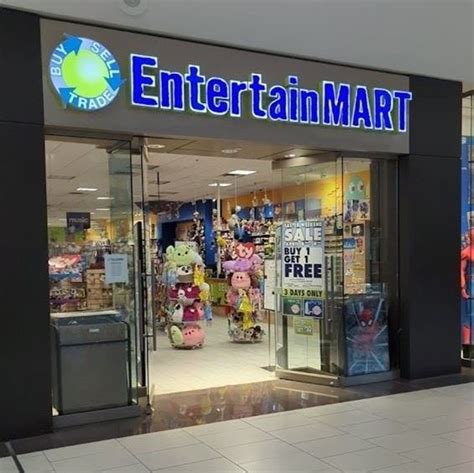
EntertainMart is part of the Vintage Stock family of stores. The company says it buys and sells both new and used video games, movies, music, comics, toys, trading cards, posters, and other pop culture products.
The official Vintage Stock company page also says its stores offer services such as buying used items, disc repair, rentals at participating locations, and access to inventory across the company.
That mix is the real appeal. EntertainMart is not only a game store. It is not only a record store. It is not only a comic shop. You may walk in looking for an older video game and end up browsing vinyl records, Blu-rays, trading cards, toys, or a movie you forgot existed.
Why EntertainMart Feels Different in 2026
Most entertainment shopping has moved toward speed. We search for a title. We click. We stream it. We move on.
EntertainMart works in the opposite direction. The fun is often in not knowing what you will find.
That matters because discovery feels different when we browse a shelf. An algorithm usually shows us things based on what we already watched or bought. A used-media store can put something in front of us that has no connection to our recent history.
That old-school browsing experience also feels more valuable because streaming has become so crowded. Our look at how many movies, shows, music releases, and games compete for attention on streaming platforms shows just how easy it is for good entertainment to disappear into a huge digital catalog.
In a physical store, the shelf slows us down. Sometimes that is a good thing.
Physical Media Is Smaller, but It Is Not Gone
Streaming dominates modern music and video use. That does not mean people stopped buying physical entertainment.
Vinyl is the clearest example. RIAA data for 2025 showed another year of strong vinyl revenue, with U.S. vinyl revenue topping $1 billion. Physical music is now a smaller piece of the total market, but vinyl has shown that a physical format can still grow when people see value in owning it.
Movies have a similar collector side. Blu-rays and DVDs may no longer fill giant sections at every big-box store, but people still buy favorite films, box sets, rare releases, special editions, and titles that are hard to find on streaming.
Games may be even more obvious. Older consoles, cartridges, discs, controllers, and accessories can remain useful long after the original retail cycle ends.
In other words, physical media did not disappear. It became more intentional.
Ownership Is a Big Part of the Appeal
When we stream something, we usually pay for access. When we buy a disc, cartridge, record, or book, we own that copy.
That difference matters more than it first appears.
A streaming service can change its catalog. A movie can leave one platform and appear on another. A subscription price can rise. A digital storefront can change its rules. A purchased physical copy stays on the shelf until we decide to sell it, trade it, lend it, or give it away.
That sense of control is one reason stores like EntertainMart still have a place. The store does not have to beat streaming at convenience. It only has to serve the people who still value ownership.
The Used-Media Model Makes the Store More Interesting
A big part of EntertainMart is the buy-and-sell cycle.
Customers bring in movies, games, records, cards, toys, comics, and other items. Those products can then go back onto the shelf for another shopper.
I like that model because it gives old entertainment another life. A game that has been sitting untouched for five years may be exactly what someone else has been trying to find.
It also makes the inventory less predictable. A normal retailer orders known products from a supplier. A used-media store also depends on what people bring through the door.
That is where the treasure-hunt feeling comes from.
Trading Cards Fit This Store Better Than You Might Think
Trading cards have become a natural part of pop culture retail. Sports cards, Pokémon, Magic: The Gathering, and other collectible card games bring together nostalgia, collecting, gaming, and resale value.
That makes them a good fit beside video games, comics, records, and toys.
If you are selling cards rather than simply browsing, it helps to know how value is determined before you accept an offer. Our guide to selling sports cards in 2026 explains sold comparables, grading, condition, dealer margins, marketplace fees, and why asking prices can be misleading.
A store trade-in may be faster than selling cards one by one online. The trade-off is that convenience usually comes with a lower payout than a successful direct sale.
Nostalgia Is Part of the Business
We should not pretend this is only about price.
Nostalgia sells.
A movie case can remind us of a Friday night from twenty years ago. A game can bring back a console we played after school. A record can remind us of a parent, a road trip, or a room we have not seen in years.
That emotional side of collecting is real. It is also why older entertainment keeps getting rediscovered by younger people.
You can see the same thing with television. Our article on why 1990s cartoons still connect with viewers looks at how old shows stay alive through memory, reruns, streaming, merchandise, and new generations of fans.
EntertainMart puts that nostalgia on shelves.
What You Can Expect to Find
Inventory varies by location because used products depend partly on what customers sell or trade. Still, the company focuses on several broad categories.
- Video games, consoles, handheld systems, and accessories.
- DVDs and Blu-rays.
- Vinyl records, CDs, and some other music formats.
- Comic books and related collectibles.
- Trading cards and sports cards.
- Toys, figures, keychains, and pop culture merchandise.
- Posters and art.
- Used books at some locations.
The exact mix can change from store to store. That is part of the reason it is worth checking the current store inventory or calling before making a long drive for one specific item.
Store Locations Can Change
This is one part of the old article that needed more care.
EntertainMart and the wider Vintage Stock network have operated in many states, but individual locations can open, move, or close. Some location pages that still appear in search results may show a store as closed.
So I would not plan a trip based on an old directory listing or an old blog post. Use the current Vintage Stock store locator before leaving home.
That matters even more if you are traveling for a specific store. Retail footprints change. Search engines can keep old pages visible for a long time.
Is EntertainMart Good for Bargain Hunting?
It can be, especially when you are flexible.
Used entertainment stores are often best when you are willing to browse. You may find an older game, movie, record, toy, or card at a price that feels fair. You may also find something priced higher than an online listing.
The smart move is not to assume every used item is automatically a bargain.
For common items, a quick price check can help. For collectibles, condition matters. For games and movies, completeness can matter. For records, jacket and vinyl condition matter. For trading cards, tiny differences can change value a lot.
Browsing is part of the fun, but price comparison still matters.
Trade-In Value and Cash Value Are Not the Same
Stores that buy used goods usually offer different value depending on whether you take cash or store credit.
Vintage Stock has historically promoted higher trade value than cash value. That makes sense from the store’s point of view because store credit keeps the money inside the business.
For us as customers, the choice is simple.
If we already know we want something else in the store, trade credit may be useful. If we need actual money, cash may matter more even when the offer is lower.
Before bringing in a large collection, ask how the store handles trade-ins and whether there are categories it is not buying at the moment.
Used Does Not Always Mean Old
This is another thing I like about stores in this category.
Used inventory can be almost new. Someone may finish a game and trade it quickly. A collector may sell a duplicate. A family may clear shelves. A person may switch consoles or decide vinyl is taking up too much space.
That means the used section can include current items as well as older ones.
For shoppers, that creates a middle ground between paying full retail and hunting private sellers online.
Why Physical Stores Still Have an Advantage
Online shopping gives us more choices. A physical store gives us more information in the moment.
We can look at the case. We can see the condition. We can compare copies. We can ask a question. We can sometimes test whether an accessory looks right before buying it.
Most of all, we can discover things without knowing the search term first.
That last part is easy to underestimate. Online shopping works best when we know what we want. A store like EntertainMart works best when we do not.
What I Would Check Before Buying
Used entertainment is usually simple, but a few checks can save trouble.
- Look closely at discs for heavy scratches.
- Check game cases for the correct disc or cartridge.
- Ask whether downloadable codes are included or already used.
- Inspect controllers and accessories for damage.
- Check vinyl condition under good light. If records are a big part of your hunt, a vinyl record cleaning kit can help you care for used finds once you get them home.
- Confirm return or exchange rules before buying a high-priced used item.
- Compare collectible prices when the item is expensive.
Those checks take a minute. They can make the difference between a fun find and an annoying return. A simple disc cleaning kit can also be handy if you regularly buy used DVDs, Blu-rays, or games.
Who EntertainMart Makes the Most Sense For
I think the store works best for people who enjoy the hunt.
If you only want the cheapest possible price on one exact item, online shopping may win. If you want instant access to a movie, streaming wins.
But if you like used games, physical movies, vinyl, comics, cards, toys, and odd collectibles in one place, EntertainMart has a clear reason to exist.
It also makes sense for gift shopping. A store full of different pop culture categories gives us more chances to find something personal without knowing the exact product before we arrive. If you enjoy the collecting side of the hobby, Footage Vault is another place to explore entertainment and media history.
The Aisles Still Have a Purpose
My view of Entertainment Mart is simple. It matters less because physical media is huge and more because physical media is now selective.
We stream what is easy. We buy what matters.
That is the niche these stores can keep serving.
They give old games another home. They give collectors a place to browse. They give vinyl buyers something to flip through. They give families a shelf of inexpensive movies. They give us a reason to wander instead of search.
In 2026, that may be enough. EntertainMart does not need to replace streaming or online retail. It only needs to offer something those services cannot: a room full of culture we can touch, trade, inspect, own, and sometimes discover by accident.