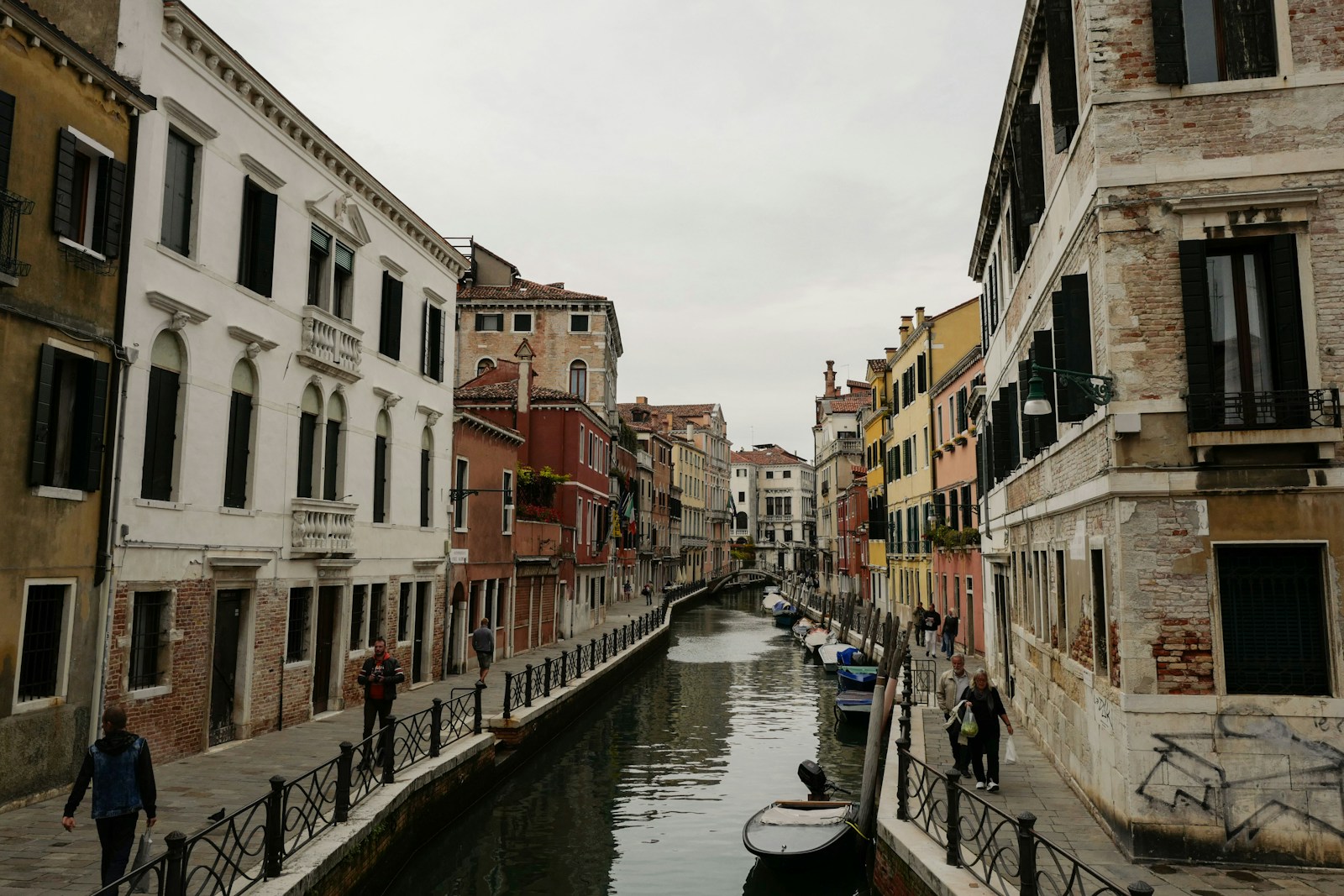
If you are visiting Venice now, the simplest fact is also the most important: the city’s 2026 Access Fee trial is over. The fee applied on selected days from April 3 through July 26, 2026. Starting July 27, the city stopped requiring Access Fee payment or exemption registration for day visits.
That means a day visitor arriving in the historic center on August 31, 2026 does not need to buy a €5 or €10 Access Fee voucher. There is no current 2026 QR-code requirement tied to the Access Fee. Venice has said any future application in later years will require new action by the city, so travelers planning farther ahead should check again before departure.
What the 2026 Venice Access Fee Actually Was
Venice did not charge every visitor every day. The 2026 program was a limited trial aimed mainly at managing busy day-trip periods in the historic city.
The city scheduled the fee on 60 nonconsecutive days between April 3 and July 26. On those dates, the payment system operated from 8:30 a.m. until 4:00 p.m. for visitors entering the ancient city who were not covered by an exclusion or exemption.
The official Venice Access Fee website now states that the 2026 trial period has ended and that, beginning July 27, Venice can be visited without paying the Access Fee or requesting an exemption.
The 2026 Price Was €5 or €10 Depending on When You Booked
During the 2026 trial, day visitors who had to pay could receive the lower €5 rate by paying no later than the fourth-last day before their visit. Someone visiting on a Sunday, for example, could qualify for the €5 rate by paying by Wednesday.
Visitors paying during the final three days before arrival, including the day of the visit, paid €10. That pricing structure was designed to encourage earlier planning rather than spontaneous arrivals on already busy days.
The Fee Applied Only During a Daytime Window
On scheduled fee days, the Access Fee applied from 8:30 a.m. to 4:00 p.m. The city did not apply the fee between 4:00 p.m. and 8:30 a.m. the following day.
That did not mean travelers should build an itinerary around slipping into Venice five minutes after the collection window. The time rule was part of a tourism-management experiment, not an invitation to crowd the same narrow streets at 4:01 p.m.
Overnight Guests Did Not Pay the Access Fee
During the trial, tourists staying overnight in registered accommodations within the Municipality of Venice were exempt from paying the Access Fee because they were already subject to the city’s tourist-tax system.
On fee days, however, overnight guests still had to be able to document their exemption under the city’s system. That often meant obtaining the appropriate exemption voucher or completing the required declaration.
Now that the 2026 Access Fee period has ended, that Access Fee exemption step is no longer required for the remainder of the trial year.
The Tourist Tax Is a Separate Charge
The end of the Access Fee does not mean every Venice visitor charge has disappeared. Travelers staying overnight may still owe the ordinary accommodation or tourist tax collected through hotels, guesthouses, apartments, and other lodging.
That tax is separate from the Access Fee. A room bill can therefore include a local tourist tax even when no day-visitor Access Fee is operating.
The Minor Lagoon Islands Were Outside the 2026 Fee Area
The 2026 Access Fee was aimed at Venice’s historic city, not every destination in the lagoon. The city’s rules excluded minor islands such as Murano, Burano, Torcello, Lido di Venezia, Pellestrina, Sant’Erasmo, Mazzorbo, Vignole, and others from the fee area.
That distinction mattered most during the active trial. Today, with the 2026 fee ended, it is mainly useful background for understanding how narrowly the program was designed.
Venice Did Not Become “Free” in Every Sense
The Access Fee was only one small part of visiting Venice. Transportation, museums, lodging, meals, luggage storage, airport transfers, and island excursions can still make the city expensive.
More important, the absence of a fee does not remove crowd pressure. San Marco, Rialto, the Grand Canal, and the main walking corridors can still become extremely busy when cruise passengers, day trippers, tour groups, and overnight guests overlap.
Arriving by Train Is Usually the Easiest Introduction
Venezia Santa Lucia railway station opens directly onto the Grand Canal. For many travelers arriving from other Italian cities, that makes the train the simplest way to enter the historic center without dealing with parking.
Cars and road buses stop at the edge of the historic city around Piazzale Roma. From there, travelers continue on foot or by water transport. Mestre on the mainland can also work as a lower-cost base with frequent rail and bus connections into Venice.
Pack for Bridges, Stairs, and Walking
Venice looks compact on a map, but luggage changes the experience. Bridges mean repeated steps, and narrow lanes become awkward when a large rolling suitcase meets a crowd coming the other direction. A compact lightweight travel daypack can make those stairs and crowded lanes easier than carrying a bulky bag all day.
Our packing-light guide for a two-week trip is especially useful here. A smaller bag makes trains, vaporetto stops, bridges, and hotel transfers much easier without requiring you to travel with almost nothing.
Walking Is the Best Way to Understand the City
The famous sights matter, but Venice becomes more understandable when you stop treating it like a straight line from the railway station to Rialto to San Marco.
Cannaregio, Dorsoduro, Castello, Santa Croce, San Polo, and San Marco each have different rhythms. Walking even a few streets away from the most direct tourist corridors can reveal residential squares, workshops, neighborhood bars, churches, schools, and ordinary daily life.
Use the Vaporetto When It Adds Value
Venice’s public water buses are real transportation, not simply sightseeing boats. They can save walking when you are crossing long sections of the city, traveling with luggage, visiting islands, or dealing with limited mobility.
If you plan several rides, compare a time-based pass with individual fares before buying. If you are mostly walking and only need one water-bus ride, a pass may not save money.
Do Not Schedule Venice Like a Theme Park
Trying to collect San Marco, Rialto, Murano, Burano, the Doge’s Palace, several museums, a gondola ride, and a long dinner in one day can turn a distinctive city into a transportation exercise.
Pick a few priorities and give yourself time between them. The same planning principle works elsewhere in Italy. Our Sardinia travel guide makes the same case: a destination becomes more rewarding when we stop treating distant highlights as boxes that all have to fit into one rushed day.
Crowd Etiquette Matters on Narrow Streets
A group stopping across a bridge can block an entire pedestrian route. So can someone standing in the center of a narrow calle while checking directions. The same courtesy applies on busy shared paths elsewhere; this guide to walking historic streets and steps in Lincoln is a useful reminder to give other people room and watch your footing.
- Step to the side before checking your phone or map.
- Do not block bridge landings for photographs.
- Keep luggage close in crowded passages.
- Respect signs restricting sitting, eating, swimming, or access.
- Remember that many windows above the tourist streets belong to residents.
Do Not Swim in the Canals
Venice’s canals are working transportation corridors. Swimming or diving in them is dangerous, disruptive, and prohibited. Boat traffic, water quality, currents, walls, and limited visibility make a viral stunt a poor travel decision.
The same basic principle applies in any heavily visited destination: local restrictions are not decorative suggestions. They exist because residents and public services have to keep functioning after visitors leave.
Acqua Alta Is Not a Daily Flood Disaster
High-water events can affect parts of Venice, especially during the cooler months, but conditions vary by tide level and location. The MOSE barrier system has changed how many extreme tides affect the city.
If you visit during a high-water forecast, follow local notices rather than assuming every square and alley will be underwater. Hotels and transportation staff are accustomed to explaining what is actually affected.
Venice’s Access Fee Was About Overtourism, Not Border Control
The Access Fee was sometimes described as though Venice had installed an entrance gate around the city. That was never a very accurate picture.
The experiment was a municipal tourism-management tool aimed at selected high-pressure days. It used registration, payment, exemptions, and spot checks rather than a permanent physical checkpoint sealing off every entrance.
The broader challenge—how famous destinations balance visitors with local life—is not unique to Venice. Our article on how Camino travelers adapt when local conditions change comes from a different problem, but the same principle applies: current local rules should shape the itinerary, not an old plan saved months earlier.
What the 2026 Trial Produced
Venice reported 679,553 paid vouchers during the 60 fee days in 2026, generating just over €5.2 million in provisional revenue. About 46.5% of paid vouchers were purchased at the €5 early rate, while 53.5% were purchased at €10 closer to the visit date.
The city also reported lower average daily paid-voucher volumes than in the first 2024 trial and fewer very high-attendance days. Those figures are useful, but they do not by themselves prove that the fee caused every crowd change. Weather, travel demand, calendar effects, transportation, and other factors can move visitor numbers too.
What Happens in 2027 Is Not Yet Something to Guess
The official Access Fee site says the authority to approve future measures lies with Venice’s governing bodies. That means a traveler planning for 2027 should not assume either that the fee is permanently gone or that the 2026 calendar and prices will automatically return.
Check the official city site when your travel date gets closer. If Venice adopts a new fee period, use the current official platform rather than an old screenshot, travel forum post, or third-party seller.
The Current Answer Is Simple
For the remainder of 2026, the Venice Access Fee trial has ended. Day visitors do not currently need to pay the fee or request an Access Fee exemption.
The city is still busy. Overnight lodging taxes still exist. Museums and transportation still cost money. Local behavior rules still matter. And future access-fee rules can change.
So the useful travel habit is straightforward: verify the official Venice Access Fee status shortly before the trip, then spend the rest of your planning time on the part that matters more—deciding how slowly you are willing to experience one of the easiest cities in Europe to rush through and one of the worst cities to rush.