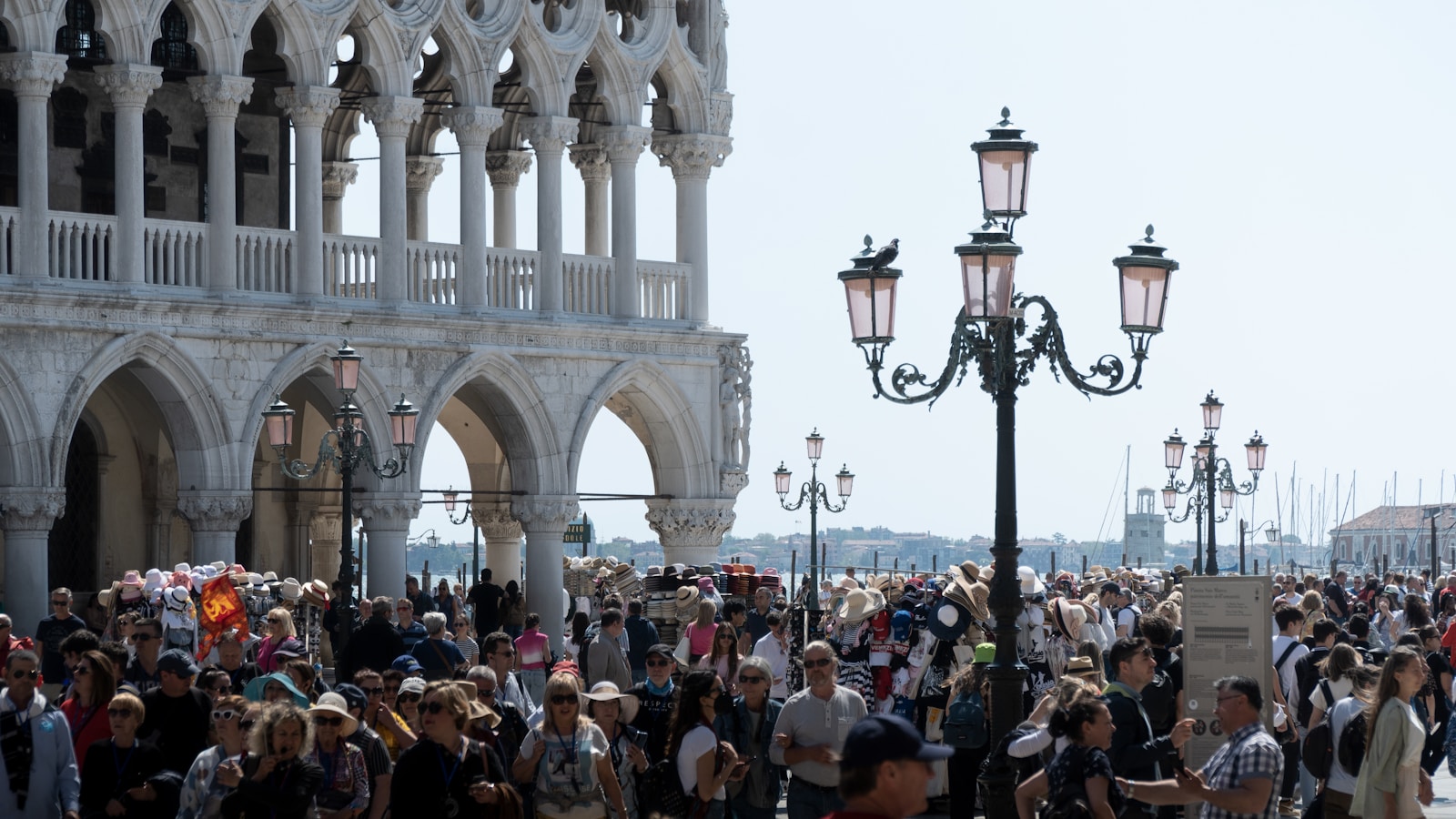
Europe’s overtourism debate is no longer one simple argument about whether there are “too many tourists.” In 2026, the harder question is what kind of tourism a city can absorb without pushing residents out, overwhelming streets, or turning ordinary neighborhoods into visitor-only districts.
Barcelona, Venice, and Montmartre in Paris show three different answers. Barcelona is using housing policy. Venice has experimented with a day-visitor access fee. Montmartre is dealing with intense visitor pressure through a wider debate about local commerce, short-term rentals, pedestrian space, and neighborhood life. None of the three has found a perfect formula.
Barcelona’s Biggest Move Is About Housing
Barcelona’s most important overtourism policy is not a ticket at the city gate. It is a plan to reduce the number of apartments used as licensed tourist lets.
The city has said it intends not to renew the roughly 10,101 existing holiday-let licenses when the current authorization framework reaches 2028. The goal is to return more housing to ordinary residential use.
Barcelona’s official tourism-management measure explains that the plan works through Catalonia’s regulation of tourist flats and Barcelona’s broader accommodation-planning system.
That timing matters. Headlines sometimes describe Barcelona as though it has already banned every tourist apartment. It has not. Licensed units continue operating in 2026 under the present rules. The major change is expected when those licenses are not renewed in 2028, assuming the policy survives the legal and political process around it.
Why Tourist Apartments Became the Center of the Fight
A hotel room and a converted apartment do not affect the housing market in the same way. A hotel was generally built or licensed for visitors. An apartment used full-time for short stays may be one less home available for a resident.
That does not mean every rent increase in Barcelona comes from tourism. Housing supply, construction costs, population growth, incomes, interest rates, regulation, investment, and neighborhood demand all matter. But in a city with severe housing pressure, local leaders have decided that thousands of visitor-only apartments are part of the problem they can directly regulate.
The policy therefore aims at the housing side of overtourism rather than trying to stop people from walking down La Rambla.
Illegal Rentals Still Matter Before 2028
The future license change does not make current enforcement irrelevant. Barcelona has spent years checking illegal listings, unlicensed tourist flats, and properties operating outside accommodation rules.
For travelers, the practical lesson is simple: book legal accommodation. A suspiciously cheap apartment with no registration information can create problems for the guest as well as the neighborhood.
Venice Chose a Different Experiment
Venice faces a different geography. Its historic center is small, pedestrian-heavy, and connected by bridges and water transport. Large waves of visitors can concentrate into the same few corridors between Santa Lucia station, Rialto, and San Marco.
The city therefore experimented with an Access Fee for selected day visitors. In 2026 the trial ran on 60 selected dates from April 3 through July 26. Depending on how early payment was made, the fee was €5 or €10 during the daytime application window.
That 2026 trial has now ended. Our current guide to the Venice Access Fee explains that no payment or exemption request is required for the remainder of 2026 unless the city adopts a new measure later.
The Venice Fee Was Not a Visitor Cap
It is easy to imagine the Access Fee as a turnstile that shut when Venice became full. That was not how it worked.
The program did not set a daily maximum number of visitors. It used payment, exemptions, registration, and spot checks on selected high-pressure dates. Overnight guests were treated differently because they already interacted with the city’s lodging-tax system.
That makes the Venice experiment closer to demand management than a true capacity limit.
Montmartre Has Pressure Without One Big New Rule
Montmartre shows why the word “overtourism” can hide several different problems.
Paris city debates have cited roughly nine million annual visitors around the Butte Montmartre and Sacré-Cœur area compared with about 27,000 local residents. That does not mean nine million people are standing there at once, but it helps explain why residents complain about congestion, tourist-oriented retail, short-term rentals, sidewalk pressure, and the gradual loss of neighborhood services.
At the same time, Montmartre remains an actively promoted visitor district. Paris tourism officials continue publishing walking routes and guides to its museums, cafés, vineyards, churches, shops, and neighboring districts.
So the current story is not “Paris has capped Montmartre tourism.” It has not. The debate is about how to manage a famous neighborhood without stripping away the everyday life that makes people want to visit it.
Overtourism Is Often About Concentration, Not the National Total
A country can welcome millions of tourists without every town feeling crowded. Problems appear when too many visitors arrive in the same few blocks, at the same hours, during the same months.
That is why a famous square can feel overwhelmed while a neighborhood fifteen minutes away feels normal. It is also why island and park destinations sometimes use reservations for individual beaches or trails rather than limiting travel to the entire region.
Sardinia is a good example of that more targeted approach. Our updated Sardinia travel guide explains how places such as La Pelosa and Cala Goloritzé use controlled access while the island itself remains broadly open to travelers.
Housing Pressure and Street Crowding Need Different Tools
A visitor fee cannot by itself solve a housing shortage. A short-term-rental rule cannot by itself stop a narrow bridge from becoming packed at noon.
- Housing problems may call for rental licensing, enforcement, zoning, taxes, or more residential construction.
- Street congestion may call for route management, group-size rules, transport planning, timed entry, or pedestrian controls.
- Environmental pressure may call for reservations, daily capacity limits, seasonal closures, restoration, and the same low-impact habits behind Leave No Trace principles in heavily visited outdoor places.
- Noise and nightlife problems may require operating-hour rules and enforcement.
- Resident frustration may require neighborhood investment as much as visitor restrictions.
Calling all of these problems “too many tourists” can lead cities toward the wrong solution.
Group Size Matters in Fragile Streets
Large guided groups can create bottlenecks because they stop together. A single person looking at a map takes little space. Twenty or thirty people standing around one guide can block an alley, bridge, church entrance, or shop doorway.
That is why several European destinations have tightened rules around tour-group size, amplified guide systems, bus access, or where groups can stop.
Smaller groups are not automatically more ethical, but they are easier to move through dense historic streets without turning one doorway into a temporary meeting hall.
Cruise Tourism Creates a Different Kind of Surge
Cruise passengers can arrive in large numbers during a short daytime window. That can be valuable for restaurants, guides, shops, and attractions, but it also creates a very different visitor pattern from people staying several nights.
An overnight guest spreads meals, transport use, and sightseeing across mornings and evenings. A large day-trip wave can concentrate spending and crowd pressure into a few hours.
This is one reason cities increasingly care about visitor timing and length of stay instead of celebrating raw arrival totals alone.
“Stay Longer” Helps, but It Is Not a Magic Fix
Travel campaigns often encourage longer stays because overnight visitors generally spend more locally and can explore beyond the busiest hours.
That can help. But a longer stay in an illegal apartment can still worsen housing pressure. A four-night visitor who spends every afternoon in the same overcrowded square still adds to the bottleneck.
The better advice is to stay legally, stay long enough to explore beyond the obvious highlights, and move through residential areas like a guest rather than a crowd manager’s worst-case scenario.
Shoulder Season Can Reduce Pressure
Traveling outside the busiest weeks can reduce lines and sometimes lower prices. It can also spread tourism income across more of the year.
But shoulder season is destination-specific. Venice can still be busy during major cultural events. Barcelona has conferences, festivals, and football matches. Paris can surge around holidays, fashion events, sports, or school breaks.
Check the actual calendar instead of assuming April or October will automatically be quiet. A current Europe travel guidebook can also help with seasonal planning, but always verify city rules on official sites before you go.
Do Not Treat Local Rules as Permanent
Venice’s fee calendar changed between trial years. Barcelona’s tourist-flat policy has a major 2028 date. Access rules at beaches, parks, churches, and historic sites can change with seasons and political decisions.
The same lesson appears when emergencies change a travel route. Our guide to Camino de Santiago wildfire closures and detours shows why last year’s route notice should never be treated as today’s rule.
A Better Visitor Checklist
- Book licensed lodging and keep the registration details.
- Check official city rules shortly before arrival.
- Reserve timed attractions in advance when required.
- Step aside before stopping for directions or photos.
- Do not block residential doors, bridges, bike lanes, or shop entrances.
- Keep nighttime noise low in residential streets.
- Use public transport when it reduces congestion.
- Visit businesses outside the most crowded tourist strip.
- Follow local rules on swimming, sitting, eating, drones, and protected areas.
- Accept that a full or closed site is a reason to change plans, not bypass the rules.
The Goal Is Not a Tourist-Free City
Tourism supports jobs, restaurants, museums, cultural institutions, hotels, transport, guides, shops, and tax revenue. Barcelona, Paris, and Venice are not trying to become places nobody visits.
The conflict appears when tourism becomes so concentrated that the local economy begins serving visitors at the expense of residents. A neighborhood full of souvenir shops but short on groceries is still economically active. It may simply be less useful to the people who live there.
Good tourism policy therefore has two customers: the visitor and the resident. A city that ignores either one eventually weakens the experience for both.
Europe Is Testing Different Levers, Not One Master Plan
Barcelona is trying to move thousands of tourist apartments back toward residential use. Venice has tested a day-visitor fee and is deciding what comes next. Montmartre is wrestling with the consequences of enormous visitor numbers without a simple one-rule answer.
That is the more useful way to understand Europe’s overtourism shift in 2026. Cities are not all copying one another. They are choosing tools that match the pressure they feel most sharply.
For us as travelers, the lesson is equally practical. Check the current rules. Book legal places to stay. Spread our time and spending beyond the obvious corner. And remember that the best version of a famous city is not the one arranged perfectly for visitors. It is the one where people can still afford, work, shop, sleep, raise families, and live after we go home.