Acrylic can be safe for food contact, but the word “acrylic” by itself is not enough to tell us whether a cup, tray, bin, sheet, or serving piece belongs in the kitchen. The finished product, the exact formulation, and the way we plan to use it all matter.
That is the most useful answer in 2026. Some acrylic and modified acrylic plastics are authorized for food-contact uses under federal rules. But that does not turn every clear acrylic object into food-safe tableware. A product made for signs, crafts, displays, or construction may not have been made or documented for contact with food at all.
What Does “Food Safe Acrylic” Really Mean?
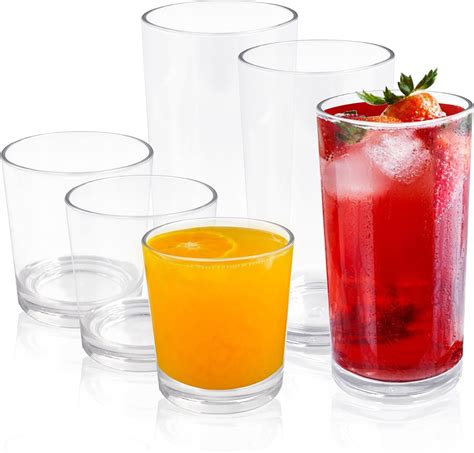
When a manufacturer sells an acrylic item for food use, we want more than a material name.
We want the finished article to use ingredients and manufacturing conditions that are suitable for the intended food-contact use. We also want clear instructions about temperature, cleaning, repeated use, and any other limits.
The FDA’s current food-contact materials guidance explains that food-contact substances can include packaging, food-preparation surfaces, cookware, processing equipment, and other materials that touch food without being intended to change the food itself.
FDA reviews food-contact uses based on the intended conditions, including how much of a substance may migrate into food and whether that exposure is safe.
Federal Rules Specifically Cover Acrylic Plastics
Federal regulation 21 CFR 177.1010 covers semirigid and rigid acrylic and modified acrylic plastics used in contact with food.
The rule identifies permitted acrylic and methacrylic monomers, optional ingredients, extraction limits, and other conditions.
Poly(methyl methacrylate), commonly called PMMA, also appears in the FDA’s current food-contact substance inventory.
That tells us acrylic is not automatically excluded from food use.
It does not tell us that every acrylic product is suitable for every food or every temperature.
PMMA Is the Acrylic Most People Mean
When people say “acrylic,” they often mean polymethyl methacrylate, or PMMA.
It is the clear, rigid plastic used in many displays, guards, signs, household products, and some reusable food-service items.
It is popular because it is lighter than glass and much more resistant to shattering.
That can make acrylic useful around patios, pools, buffets, events, children, and other places where broken glass would create a real problem.
Acrylic Drinkware Can Be a Good Use
Cold-drink cups and tumblers are one of the most familiar uses for food-contact acrylic.
For that kind of product, I would look for a manufacturer that clearly markets the item for beverages and provides cleaning and temperature instructions.
Our article on the reusable water bottle trend and food-contact materials makes a similar point. The best bottle is not simply the one with the right buzzword on the package. The material, intended use, care instructions, and condition of the finished product all matter.
Acrylic drinkware can be practical. Just use it within the limits the maker gives you. For outdoor meals, the same kitchen-to-table thinking can start with fresh ingredients such as basil grown for everyday cooking.
BPA-Free Does Not Answer Every Safety Question
Many consumer plastic products are advertised as BPA-free.
That can be useful information.
It is not the same as proof that the finished product is suitable for every kind of food contact.
BPA is only one substance.
A food-contact article may contain polymers, pigments, stabilizers, coatings, adhesives, printing, or other components. The intended temperature and food type can matter too.
So I would not use “BPA-free” as a substitute for actual food-use instructions.
Heat Is Where I Become More Careful
Acrylic is often a better choice for cold or moderate-temperature service than for high heat.
But there is no single safe temperature I would apply to every acrylic product.
Different formulations and finished products can have different limits.
Some commercial acrylic sheet materials may be documented for food-contact conditions that include warm or hot-filled foods. A decorative tumbler made for cold drinks may have much lower practical limits.
That is why the manufacturer’s instructions should win over a generic internet temperature chart.
Can Acrylic Go in the Microwave?
I would not assume so.
If the item does not specifically say it is microwave safe, use a microwave-safe glass or other clearly labeled container instead.
Acrylic can soften, distort, craze, or otherwise be damaged by heat depending on the product.
The microwave is not a good place to test an unlabeled piece of plastic.
Can Acrylic Go in the Oven?
Again, I would not assume it can.
Typical acrylic serving pieces are not oven cookware.
If you need to bake, roast, broil, or hold very hot food for a long time, use a material designed for those temperatures.
Glass, ceramic, stainless steel, cast iron, and other purpose-made cookware are usually much easier choices.
What About the Dishwasher?
This depends on the finished item.
Some acrylic tableware manufacturers allow top-rack dishwasher cleaning. Others recommend hand washing.
Heat, detergent strength, drying temperature, and repeated cycles can affect surface appearance and stress cracking.
I would follow the care label rather than assuming all acrylic is dishwasher safe.
If the maker says hand wash only, that is the answer.
Cold Food and Dry Food Are Often the Easy Uses
Acrylic can be very practical for foods that do not create much heat stress.
Think:
- candy and snack bins;
- dry cereal displays;
- bakery cases and guards;
- cold salads;
- fruit;
- chips and crackers;
- cold drinks;
- buffet and serving displays.
Those are the kinds of uses where clear, lightweight, shatter-resistant plastic has obvious advantages.
Alcohol and Food Type Can Matter
Food-contact regulations can include conditions related to the type of food being contacted.
Alcohol content, fat content, acidity, temperature, and length of contact can all affect how materials are evaluated.
That is one reason I would not use a random acrylic container for a use the manufacturer never intended.
If you are choosing acrylic for commercial beverage service, food processing, or long-term storage, ask for the manufacturer’s exact food-contact documentation.
A Craft-Store Acrylic Sheet Is Not Automatically Kitchen Material
This is one of the biggest mistakes people make.
Acrylic sheet is sold for signs, picture frames, display cases, windows, crafts, guards, fabrication, and hundreds of other jobs.
The fact that the sheet is PMMA does not automatically prove that the finished piece you make from it is suitable for food contact.
You need to know the grade, additives, pigments, coatings, and intended use.
Then you have to think about what happens during fabrication.
Adhesives and Fabrication Can Change the Finished Article
Suppose you buy an acrylic sheet that has suitable food-contact documentation.
Then you glue it into a candy bin using an adhesive that was never intended for food contact.
Now the finished article has another component touching or sitting close to the food.
The same issue can come up with printed inks, coatings, decals, paints, cleaners, polishing compounds, sealants, and repair materials.
Food-contact safety applies to the finished article, not just the biggest ingredient in it.
Laser-Cut Acrylic Needs the Same Careful Thinking
Laser cutting is common in acrylic fabrication.
A smooth-looking edge does not automatically create food-contact certification.
If you are making a restaurant display, food bin, cutting template, or other item that will touch food, start with documented material and use a fabrication process that the supplier supports for that application.
Commercial food equipment should be treated as a specification problem, not a craft-project guess.
Clear Acrylic and Colored Acrylic May Not Be Identical
Colorants are another reason product-specific documentation matters.
A clear resin and a heavily colored version may not have exactly the same formulation.
A manufacturer may document some colors or grades for food contact and not others.
That does not mean colored acrylic is automatically unsafe.
It means we should verify the exact product instead of assuming every sheet with the same brand name has the same food-contact status.
Scratches Do Not Automatically Make Acrylic Toxic
People sometimes see a scratched plastic cup and assume it suddenly became poisonous.
That is not a useful way to think about wear.
The bigger everyday problem is cleaning.
Deep scratches, cracks, crazing, damaged seams, and rough surfaces can become harder to clean well. A badly damaged article can also weaken and look unpleasant.
If an acrylic food item becomes heavily scratched or cracked, replacing it is reasonable.
That is basic kitchen hygiene, not panic.
Clean Repeated-Use Acrylic Before the First Use
The federal acrylic food-contact regulation specifically says finished repeated-use acrylic articles should be thoroughly cleaned before their first food-contact use.
That is easy advice to follow at home.
Wash new reusable drinkware, serving bowls, bins, and utensils according to the manufacturer’s directions before putting food in them.
It removes dust, handling residue, and debris from manufacturing and packaging.
Food-Safe Kitchen Tools Need the Same Product-Level Check
The same principle applies to small kitchen gadgets.
Our look at the banana slicer and food-safe kitchen materials may be playful, but the material question is real. A gadget touches food because that is its job, so the maker should use materials suitable for that use.
We should expect the same from an acrylic scoop, tray, dispenser, or utensil.
Commercial Kitchens Should Ask for Documentation
If I were buying acrylic for a restaurant, bakery, grocery store, greenhouse farm stand, concession area, or food-processing space, I would ask the supplier for documentation before fabricating anything.
I would want the exact grade identified.
I would want the intended food-contact conditions.
I would ask whether the material is intended for single or repeated use.
I would also confirm cleaning limits and whether any adhesive or other component in the finished assembly needs separate documentation.
That little bit of paperwork is much cheaper than rebuilding equipment later.
Food Safety Is More Than the Container
A food-contact material can be suitable and the meal can still be unsafe.
Temperature control, hand washing, cross-contamination, cooking temperatures, refrigeration, and clean utensils still matter.
Our outdoor cooking and food-safety guide covers those practical controls for cookouts and outdoor meals.
Acrylic may solve the broken-glass problem at the picnic table. It does not solve the problem of chicken sitting warm for hours.
How I Would Shop for Acrylic Foodware
I would look for a product sold specifically for food or beverage use. If you want a shatter-resistant option for patios or picnics, compare clearly labeled food-safe acrylic drinkware and follow the maker’s care limits.
Then I would read the care instructions. For dry-food storage, acrylic food storage bins can be useful when the listing clearly identifies them for food contact.
I would want to know:
- whether it is intended for repeated food contact;
- whether it is for cold, warm, or hot contents;
- whether it is dishwasher safe;
- whether microwave use is allowed;
- whether alcohol or certain foods have limits;
- whether scratches or clouding affect recommended use;
- how the maker recommends cleaning it.
If the product description says almost nothing, I would choose one that gives me better information.
What “FDA Approved Acrylic” Usually Gets Wrong
I would be careful with broad marketing phrases such as “FDA approved acrylic.”
The federal system is more specific than that phrase suggests.
Food-contact substances can be authorized under regulations, notifications, prior sanctions, or other applicable pathways for defined uses and conditions.
The useful question is whether the exact material and finished article comply with the applicable food-contact requirements for what you are doing.
That is more precise than assuming FDA handed a universal approval badge to every object made from acrylic.
When I Would Choose Another Material
I would choose something else when high heat is central to the job.
I would also use another material when I need aggressive cleaning, heavy knife contact, direct cooking, or long-term commercial abuse that the acrylic product was not designed to handle.
Sometimes stainless steel is better.
Sometimes glass is better.
Sometimes polypropylene, polycarbonate, silicone, ceramic, or another food-service material makes more sense depending on the job.
There is no prize for forcing one material to do everything.
So, Is Acrylic Food Safe?
Yes, acrylic can be used safely in food-contact articles when the material and finished product comply with the rules for their intended use.
That makes documented acrylic drinkware, serving pieces, food displays, guards, bins, and similar items reasonable choices when used as directed.
But I would not treat an unlabeled craft sheet, display panel, or mystery acrylic object as kitchenware simply because it is clear plastic.
Food-contact safety is product specific.
Use the Product, Not the Plastic Name
That is the rule I would keep.
Do not ask only, “Is acrylic safe?”
Ask, “Is this exact acrylic product made for this exact food-contact job?”
That question leads us to better choices.
Use documented foodware for food. Follow the temperature and cleaning limits. Replace badly damaged pieces. Ask suppliers for specifications when the use is commercial or custom fabricated.
Acrylic can be a very useful food-contact material.
We just get better results when we treat “food safe” as a specification instead of a guess.