Ala Carte Entertainment is not one restaurant. It is a Chicagoland hospitality group built around many reasons to go out. Dinner. Drinks. Sports. Parties. Weddings. Catering. Nightlife. That wide mix is what makes the company worth a closer look in 2026.
The group has been around for more than five decades. That alone does not make a restaurant company good. But it does tell us the business has lived through changing tastes, recessions, new suburbs, new food trends, delivery apps, rising labor costs, and the long shift from nightlife-heavy dining to a broader event-and-experience model.
What Is Ala Carte Entertainment?
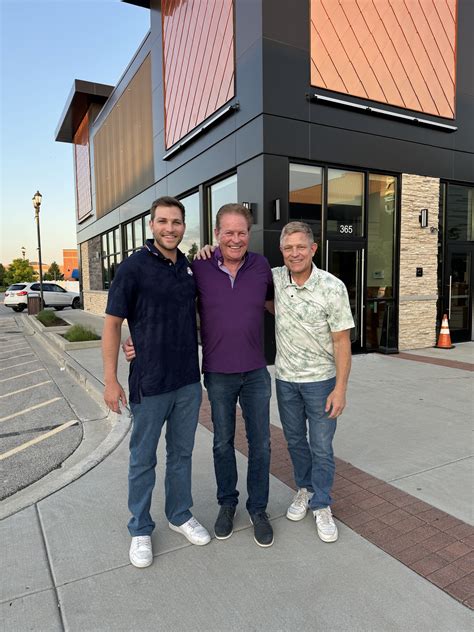
Ala Carte Entertainment, often shortened to ACE, is a family-led restaurant and event company based in the Chicago area. The official Ala Carte Entertainment site describes the group as an operator of restaurants, pubs, nightclubs, banquet spaces, catered events, and private venues across Chicagoland.
Its brands include names such as Moretti’s, Finn McCool’s, Drink Nightclub, Famous Freddie’s, Chandler’s, and other dining and event concepts. The mix changes over time, which is normal for a group that has been operating since 1970.
What matters most is the structure. ACE is not built around one food trend. It is built around occasions.
The Company Started With Nightlife
Ala Carte Entertainment traces its start to 1970, when Fred Hoffmann opened a Chicago concept called Snuggery. The company says Snuggery became known for music video, performance art, sound, lighting, and nightlife ideas that stood out at the time.
That background explains the word “Entertainment” in the company name.
This was never only about putting food on a plate. The early business was also about atmosphere. Music mattered. Lighting mattered. The room mattered. The crowd mattered.
That nightlife DNA still shows up in the group today, even though the company now reaches far beyond clubs.
A Family Business That Kept Expanding
The company still presents itself as a Hoffmann family operation. Fred Hoffmann founded the business, and sons Mark and Dean Hoffmann later became part of its growth.
Family ownership can be a strength in hospitality when it keeps a business close to its local market. Restaurants are very local. A concept that works in one neighborhood may fall flat in another. A menu that felt fresh ten years ago may feel tired today.
A long-running local operator gets years of feedback from regular guests, staff, landlords, neighborhoods, event planners, and vendors. That knowledge is hard to copy.
But most of all, a family group can build brands slowly instead of chasing every trend.
Moretti’s Is a Major Part of the Current Footprint
Moretti’s Ristorante & Pizzeria is one of the most visible brands in the ACE group. It has multiple Chicagoland locations and gives the company a family-friendly restaurant base built around pizza, Italian-American food, sports viewing, bar service, and group dining.
That kind of concept is useful because it can serve many types of visits. A family can have dinner. Friends can watch a game. A company can reserve space. A group can order food for delivery or pickup. At home, pizza nights are easier with a sturdy pizza cutter that can handle large pies cleanly.
Restaurant groups need that flexibility now. Customers do not all use restaurants the same way. The same is true online, where a dependable website hosting setup can help a hospitality business keep menus, event details, and customer information available when guests are ready to plan a visit.
Our look at how restaurant delivery and online ordering can expand a food business shows why operators now have to think beyond the dining room. A modern restaurant may serve the same customer through dine-in, pickup, delivery, events, and catering.
Ala Carte Entertainment has been building around that broader idea for years.
Finn McCool’s Shows the Group Is Still Growing
One of the clearest 2026 updates is Finn McCool’s in Wheeling.
The older version of this article described the location as a future plan. That is no longer current. The new Finn McCool’s Irish Sports Pub opened in Wheeling in March 2026.
The site sits in Wheeling Town Center near a Moretti’s location. That pairing tells us a lot about ACE’s strategy.
Instead of putting every idea under one brand, the company can place two different concepts in the same market. One can lean more toward Italian-American dining and pizza. The other can lean toward an Irish sports-pub feel, drinks, games, and group gatherings.
The customer gets more choice. The company gets more ways to capture local traffic.
Events Are More Than a Side Business
Ala Carte Entertainment puts a lot of emphasis on private events. That may be one of the most important parts of its model.
The company promotes spaces for weddings, birthdays, corporate events, showers, fundraisers, holiday parties, and large group gatherings. It also offers event planning, menu help, audio-visual support at some venues, and off-site catering.
That creates revenue outside a normal dinner rush.
A restaurant that depends only on individual tables can have wild swings. Monday may be slow. Saturday may be packed. Weather can hurt traffic. A local event can change a whole night.
Banquets and catered events give the business another lane. A booked event can bring a known guest count, a planned menu, and a larger ticket.
In other words, the company is not just selling meals. It is selling gatherings.
Catering Makes the Business Travel
Off-site catering gives ACE another advantage. The customer does not always have to come to an Ala Carte venue. The food and service can go to the customer.
That matters for graduations, company events, school functions, family parties, and community gatherings. Hosts serving food away from a restaurant may also find chafing dish sets useful for keeping buffet food warm during a long event.
Catering also turns one kitchen into more than a dining room. A restaurant can serve guests at tables while also producing larger orders for outside events.
That does make operations harder. Timing has to be right. Food has to travel well. Staffing has to match the event. Delivery has to be dependable.
But when it works, catering can make a restaurant group much less dependent on walk-in traffic.
Customer Food Habits Keep Changing
One challenge for every restaurant group is that people keep changing what, when, and how much they eat.
Some customers want smaller portions. Some want high-protein options. Some eat out less often because grocery and housing costs are high. Others spend more on experiences but fewer times per month.
New medicines are also changing food habits for some people. Our current guide to GLP-1 medicines and changing restaurant demand explains why some diners may want smaller meals, clearer nutrition choices, or different portion sizes.
A large restaurant group has to notice shifts like that without rebuilding every menu around one trend.
That is where a broad brand portfolio can help. Different concepts can serve different moods and needs.
Price Still Matters More Than Hospitality Brands Like to Admit
Dining out is an experience, but it is also a budget choice.
When families feel pressure from groceries, rent, insurance, utilities, or transportation, restaurant visits can be one of the first things they cut back.
That makes value very important.
Value does not always mean cheap. It means the customer feels the meal, service, room, and overall experience were worth the bill.
Our guide to how much a household may spend on food each week helps show why restaurant spending sits inside a much bigger household budget.
For a company like ACE, that means every brand has to earn the next visit.
Community Fundraising Builds Repeat Local Traffic
Ala Carte Entertainment also runs fundraising programs for schools, nonprofit groups, and community organizations.
The company currently says eligible groups can receive 20% of qualifying food and beverage purchases generated through some fundraiser programs, subject to its rules and exclusions.
This is more than a nice community message.
It is also smart local marketing.
A school fundraiser can bring families into a restaurant. A youth sports team can become a regular customer. A nonprofit can return for another event. Parents may visit later without the fundraiser.
That is how a restaurant becomes part of a neighborhood instead of just another place on a map.
Gift Cards Help Connect the Brands
One challenge with a multi-brand company is that customers may know Moretti’s or Finn McCool’s without knowing the parent company.
Gift cards help tie the group together.
ACE promotes gift cards that can be used across many participating Ala Carte locations. That creates a simple bridge between different concepts.
A customer who usually visits one brand may try another. A gift can move spending from one restaurant to another inside the same company.
That is small on the surface, but it helps turn a group of restaurants into a network.
The Hiring Page Shows a Large Operating Machine
ACE’s current hiring pages list jobs across many locations and many kinds of work. Servers. Hosts. Bartenders. Cooks. Dishwashers. Managers. Banquet staff. Other support roles.
That tells us the company is not a quiet legacy name living on old memories.
It is still running a large hospitality operation.
That also means labor is one of its biggest challenges. Restaurant groups need enough staff to cover peak nights, events, kitchens, bars, catering, and management without letting service slip.
A business can have a strong brand and still lose customers if service becomes slow or uneven.
Running Many Brands Is Hard
The broad portfolio is an advantage, but it is also the main risk.
Every concept needs a clear identity.
A sports pub should feel like a sports pub. A family pizza place should work for families. A banquet venue should handle events without chaos. A nightclub should have its own energy.
If every brand starts to feel the same, the group loses the reason for having multiple brands.
At the same time, back-end systems need to be consistent. Food safety. Training. Payroll. Purchasing. Scheduling. Marketing. Customer service. Event planning.
The guest should see personality. The company needs discipline behind the scenes.
Why the Wheeling Expansion Matters
The 2026 Wheeling opening is useful because it shows ACE is still willing to invest in physical locations.
That is not a small decision in today’s restaurant market.
Building out a space takes money. Hiring takes time. A new restaurant has to create awareness and repeat traffic. It has to compete with delivery, fast casual food, grocery prepared meals, and every other local dining option.
Opening another Finn McCool’s says the company still believes there is room for social dining and sports-pub experiences.
I think that is a reasonable bet. People can stream sports at home. They can order food to the couch. But watching a big game with a room full of people is a different product.
What Ala Carte Entertainment Gets Right
The strongest part of the business is choice without leaving the company.
ACE can serve a family dinner, a sports crowd, a wedding, a school fundraiser, a corporate event, a late-night customer, or a catered party.
That is a lot of occasions.
The company also has deep Chicagoland roots. Local knowledge matters in hospitality because neighborhoods are not interchangeable.
After more than 50 years, the group has had time to learn which concepts travel well, which locations fit certain brands, and which services keep customers coming back.
What I Would Watch Next
I would watch three things.
First, I would watch whether newer locations such as the Wheeling Finn McCool’s build steady traffic after the opening buzz fades.
Second, I would watch how the group adjusts menus and value as food costs and customer budgets change.
Third, I would watch the events business. Private events and catering may become even more important as restaurant groups look for revenue that is not tied only to normal table traffic.
Those areas will say more about the health of the company than any single new menu item.
A Local Hospitality Model That Still Has Room to Work
Ala Carte Entertainment has survived because it did not stay frozen in 1970.
It started with nightlife. Then it grew into restaurants, pubs, pizza, banquets, private events, catering, community programs, and a wider group of brands.
The company still has the same basic job, though. Give people a reason to leave home and gather.
That job may be harder now because we can stream entertainment, order dinner, and socialize online without going anywhere.
But that also makes a good real-world experience more valuable.
In 2026, Ala Carte Entertainment still has a clear place in Chicagoland because it is not selling one thing. It is selling many kinds of nights out. As long as the food, service, value, and atmosphere stay strong, that is a business model with plenty of life left in it.