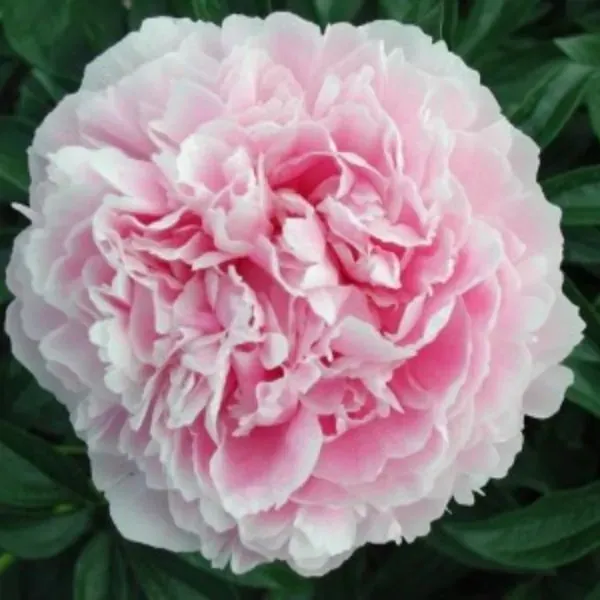
Peonies are some of the most popular flowers in the world, and for good reason. They are beautiful, fragrant, and come in a wide variety of colors. One of the best-known varieties is the Sarah Bernhardt peony. Named after the famous French actress, it produces large, soft-pink flowers that can make a statement in a perennial garden.
Sarah Bernhardt is rewarding when its basic needs are met. The biggest keys are proper planting depth, good drainage, enough sun, patient establishment, and air movement around the foliage.
Planting and Care
When planting Sarah Bernhardt peonies, choose the right location and soil type. Peonies prefer fertile, well-drained soil and good sun. Avoid planting the crown too deeply because deep planting can reduce flowering. Gardeners in warm climates face extra challenges, and this practical guide to growing peonies in Alabama explains why winter chill, drainage, planting depth, and airflow matter so much.
Space plants generously so air can move around them. Water thoroughly after planting and keep new plants evenly moist while they establish, but do not leave the roots sitting in soggy soil. A simple peony support ring can help hold the heavy flowers upright once mature plants come into bloom.
Fertilizing can support growth and flowering, but more is not always better. Rich soil and a modest spring feeding are usually enough. Too much nitrogen can push leafy growth at the expense of flowers.
Common Pests and Diseases
Sarah Bernhardt peonies are relatively easy to care for, but humid or crowded conditions can encourage disease. Botrytis blight can damage shoots, leaves, buds, and flowers. Good sanitation, airflow, and careful watering around the base of the plant help reduce disease pressure.
Powdery mildew can also coat foliage with a pale, powdery growth. It is often more of a cosmetic problem than a fatal one, but keeping plants uncrowded and removing badly affected material can help.
Thrips and other small insects may feed on flowers and foliage. Before reaching for a broad-spectrum insecticide, inspect the plant closely and identify the pest. Protecting beneficial insects is worth considering whenever treatment is needed.
With the right site and a little patience, Sarah Bernhardt can return for years. Give the roots drainage, the foliage room to breathe, and the crown the correct planting depth, then let the plant settle into its rhythm.