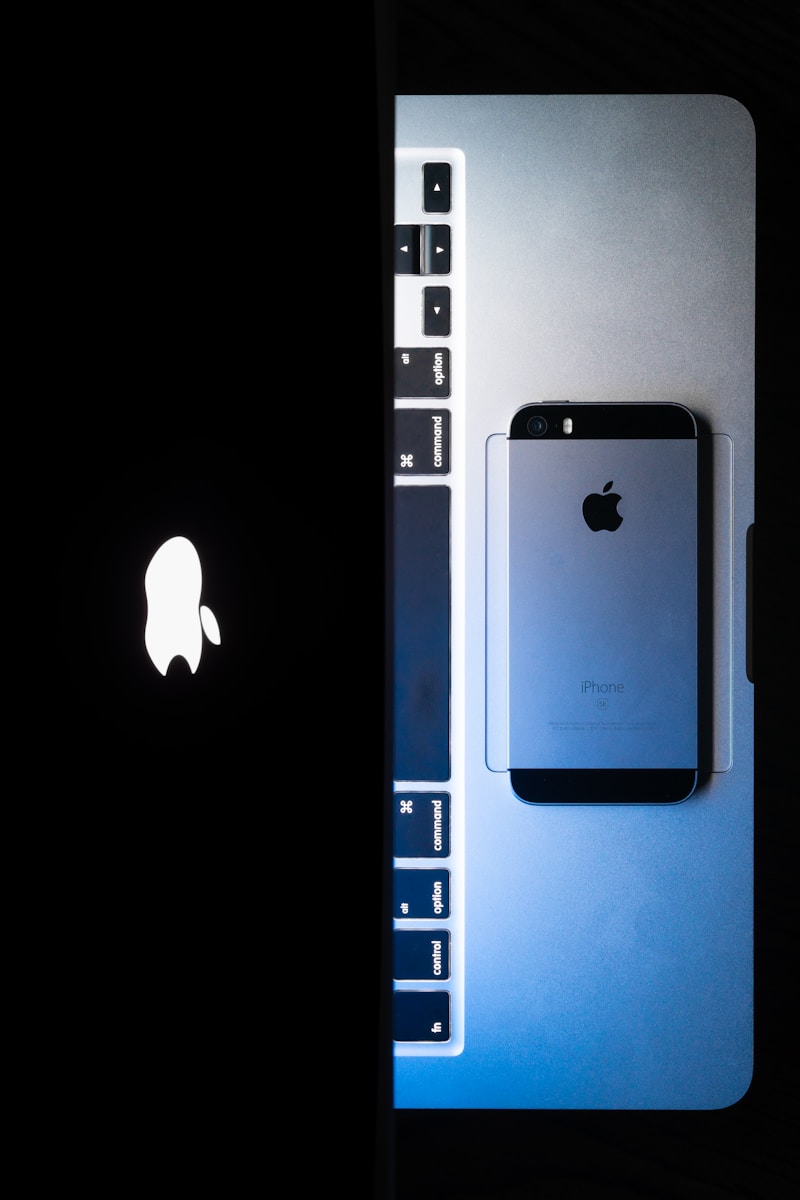
The “iPhone 17 Slim” rumor turned out to be close, but Apple gave the idea a cleaner name. On September 9, 2025, Apple introduced the iPhone 17 lineup alongside an all-new model called iPhone Air. It was not simply a thinner iPhone 17. Apple built it as a separate design with its own priorities and compromises.
Looking back from 2026, that makes the old countdown article much easier to judge. Some rumors were right about a thinner phone, A19-generation chips, camera changes, and a September launch. Other details were guesses. The useful story now is what Apple actually shipped and how the four-model lineup differed in real use.
Apple Launched Four Main Models
The 2025 lineup consisted of iPhone 17, iPhone Air, iPhone 17 Pro, and iPhone 17 Pro Max. Apple opened pre-orders on September 12 and retail availability began September 19.
The biggest structural change was the Air. Instead of keeping a Plus model as the large non-Pro option, Apple created a device centered on thinness, light weight, and visual simplicity.
iPhone Air Is 5.6 mm Thick
The old “ultra-slim” rumor was not hype. Apple lists iPhone Air at about 5.6 mm thick and 165 grams, making it the thinnest iPhone Apple had released.
The official Apple iPhone Air announcement describes a 6.5-inch Super Retina XDR display with ProMotion up to 120Hz, a titanium frame, Ceramic Shield 2 on the front, and Ceramic Shield protection on the back.
That thin body changes the feel more than a benchmark number does. A phone you hold for hours every day can feel meaningfully different when its weight and thickness fall, especially for reading, travel, maps, photography, or long one-handed sessions.
Thinness Required Real Trade-Offs
The Air was not the “best of every iPhone in a thinner shell.” Space inside a phone still has to be divided among battery, cameras, speakers, radios, thermal systems, and structural components.
Apple gave iPhone Air a single 48MP Fusion Main camera rather than the multi-camera rear system found on the Pro models. It can provide a 2x optical-quality crop from the main sensor, but it does not offer the same physical ultra-wide and telephoto flexibility as the Pro line.
That is the central buying decision. If the physical feel of a thin phone matters more than maximum camera versatility, Air makes sense. If you routinely use several focal lengths, shoot events from far away, or want the strongest camera system, the Pro models are the more natural fit.
The Standard iPhone 17 Got a Better Display Than Many Expected
Apple also made the ordinary iPhone 17 more competitive. It received a 6.3-inch Super Retina XDR display with ProMotion up to 120Hz, something that had long helped separate Pro models from standard iPhones.
That matters in daily use because high refresh rates are visible every time you scroll, switch apps, play a game, or move through animations. It is not a feature limited to photographers or power users.
The Base Storage Moved to 256GB
iPhone 17 started at 256GB of storage, double the previous generation’s entry capacity. That is a practical upgrade for people keeping more photos, downloaded video, games, offline maps, and large apps on the device.
Storage still deserves a realistic look before purchase. Someone who mostly streams media and uses cloud photos may never fill 256GB. A person recording a lot of high-resolution video can consume it much faster.
A19 and A19 Pro Split the Lineup
The standard iPhone 17 uses Apple’s A19 chip. The Air and Pro models use versions of A19 Pro.
For ordinary messaging, browsing, maps, photos, social apps, and video, chip differences are rarely the best reason to upgrade by themselves. Modern flagship processors already have substantial headroom.
The extra capability matters more when software can use it: demanding games, image processing, video workflows, on-device machine learning, and future operating-system features.
iPhone Air Added More Apple-Designed Wireless Silicon
One of the less flashy but more important changes was inside. iPhone Air uses Apple’s N1 networking chip for Wi-Fi 7, Bluetooth 6, and Thread, plus Apple’s C1X cellular modem.
Apple said C1X was designed for high efficiency, which is especially important in a device where internal volume is at a premium. Efficient radios reduce the amount of battery energy spent simply staying connected.
Network technology also shows why old “GSM versus CDMA” shopping language has become less useful. Our guide to whether Verizon is a GSM carrier explains why modern LTE and 5G compatibility matter more than the old network labels.
iPhone Air Is eSIM-Only
Apple made iPhone Air an eSIM-only design. Removing the physical SIM tray helps free internal space, which is valuable in a phone built around extreme thinness.
For many U.S. users, that transition is routine because major carriers already support eSIM. International travelers should still check carrier compatibility before relying on a local prepaid plan in another country. Travelers who also use their phone as a transit wallet may want to review this practical OMNY phone-payment guide, since keeping the same device and payment method can matter when moving around New York.
If the terminology is unfamiliar, our simple guide to how eSIM works explains activation, multiple lines, travel use, and why removing the physical card changes the way phones are switched between carriers.
The Front Camera Changed Across the Lineup
Apple introduced an 18MP Center Stage front camera across the new iPhone family. Its square sensor gives the phone more flexibility to frame portrait or landscape selfies without requiring the user to physically rotate the device in the usual way.
For group shots, the system can adjust framing as more people enter. The front camera also supports stabilized 4K HDR video and Dual Capture, which records front and rear views at the same time.
iPhone 17 Uses Two 48MP Rear Cameras
The standard iPhone 17 pairs a 48MP Fusion Main camera with a 48MP Fusion Ultra Wide. The main camera also provides an optical-quality 2x option through sensor cropping.
That makes the ordinary model much more flexible than the single-camera Air while avoiding the expense and complexity of the Pro camera array.
The Pro Models Remained the Camera Choice
iPhone 17 Pro and Pro Max were designed for buyers who place cameras, sustained performance, and battery life above minimum thickness. Apple gave the Pro system 48MP Main, Ultra Wide, and Telephoto cameras, with longer optical-quality reach than the standard models.
That creates a clearer lineup than the old rumor article predicted: Air is the design-first choice, standard iPhone 17 is the balanced choice, and Pro is the maximum-capability choice.
Battery Life Should Be Compared by Use, Not Thickness Alone
A thinner device naturally creates questions about battery capacity. Apple’s response was a combination of efficient chips, internal packaging, software power management, and an optional MagSafe battery accessory designed specifically for iPhone Air.
That does not mean every Air owner needs an external battery. It means a traveler or heavy user should compare real usage needs instead of assuming “all-day battery” means the same workload for everyone. A MagSafe battery pack sized for iPhone travel can be useful for long navigation, hotspot, or video-heavy days, but it is worth buying only if your normal use actually needs the extra power.
If your phone regularly spends long days on cellular data, navigation, hotspot use, video calls, and uploads, radio quality matters as much as processor efficiency. Our guide to brief internet dropouts and connection troubleshooting explains why a good device still depends on the network around it.
The Old Thermal Rumors Were Only Partly Useful
Before launch, rumor roundups speculated about vapor chambers, graphite layers, and other cooling systems. That kind of discussion can be useful, but it often confuses one rumored model with an entire lineup.
The practical test is sustained behavior. A phone that feels fast for 30 seconds but slows badly under long video recording or gaming is different from one that can hold performance for longer. Buyers who do heavy workloads should look at measured reviews of the exact model rather than general statements about “A19 cooling.”
Apple Intelligence Was Part of the Story, but Not the Whole Story
The 2025 lineup shipped into Apple’s broader push around Apple Intelligence and iOS 26. Features included Live Translation in supported languages, visual intelligence, writing tools, image features, and developer access to Apple’s on-device foundation model.
Availability varied by language, region, and feature. That is important because “AI phone” can sound like every tool works identically everywhere. It did not.
The Best Upgrade Question Is Still “What Problem Does It Fix?”
A new phone can be excellent without being necessary. If your current iPhone has good battery health, enough storage, a camera you like, and software support, waiting can be the better financial choice.
An upgrade makes more sense when it solves something you notice every day:
- Your current phone feels too heavy.
- Battery life no longer lasts through your normal day.
- You need more storage.
- You want a wider or longer camera range.
- Your current device no longer receives the software features you need.
- You want eSIM flexibility or newer wireless capabilities.
Which 2025 iPhone Fits Which Buyer?
- iPhone 17: best balanced option for buyers who want ProMotion, two useful rear cameras, modern performance, and 256GB base storage without paying for the Pro line.
- iPhone Air: best for people who value thinness, light weight, a large display, and a distinctive feel more than a multi-camera rear system.
- iPhone 17 Pro: best for photographers, video creators, gamers, and users who want the stronger camera and performance package in the smaller Pro size.
- iPhone 17 Pro Max: best for buyers who want the largest display and strongest battery-oriented Pro configuration and do not mind the extra size.
The Biggest Surprise Was Not the Name
The pre-launch story treated an “Air/Slim” iPhone as the headline because thinness was easy to visualize. The more important result was how Apple used the Air to make the lineup more specialized.
The standard iPhone became more capable. The Air made physical design the priority. The Pro line remained focused on maximum cameras, thermals, and battery-oriented performance.
That is more useful than the old rumor cycle because it gives buyers a simpler choice. You do not need the phone with the most impressive specification. You need the one whose compromises line up with the way you actually use it.