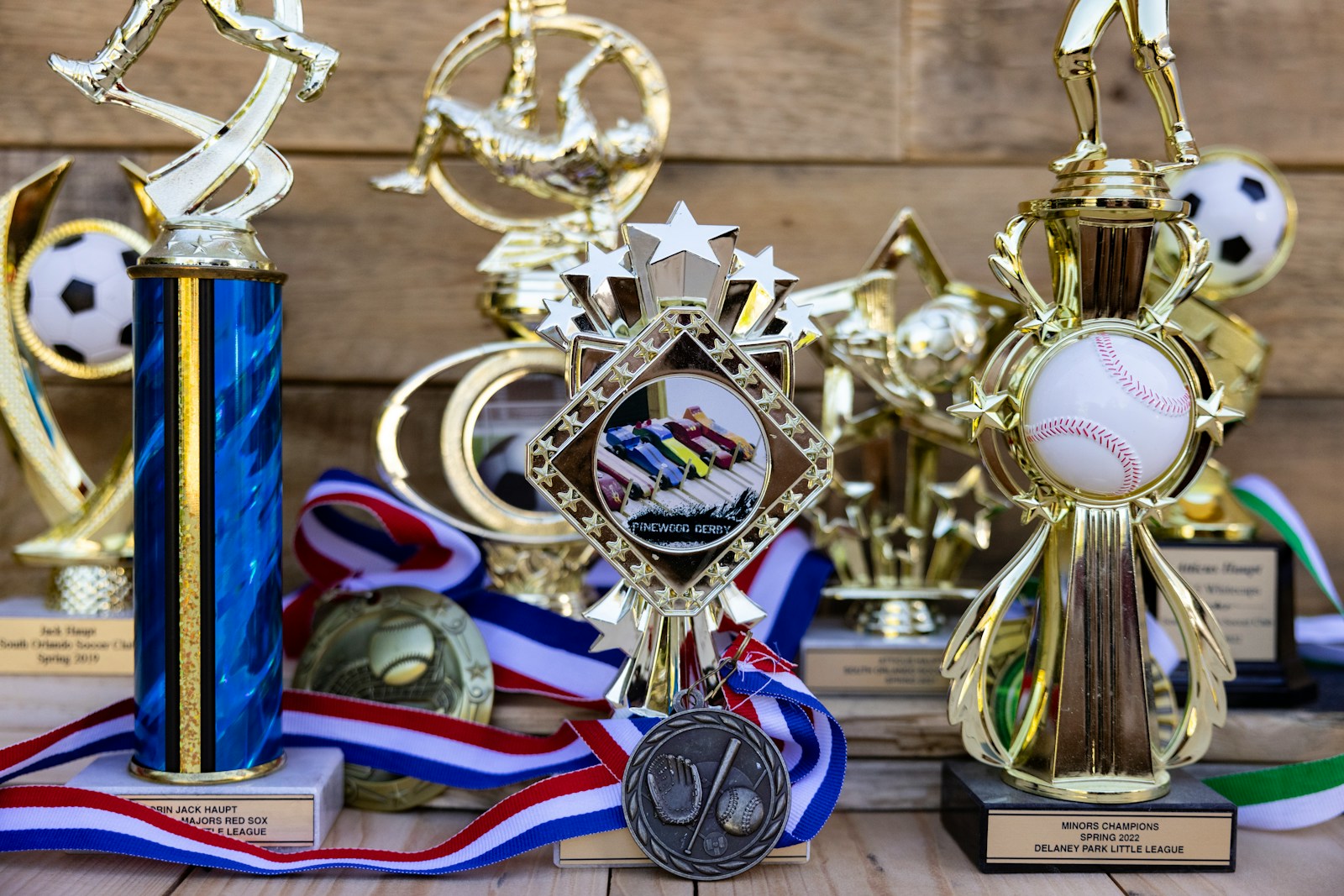
Eight-year-olds are at a fun age for sports gifts. Some are just learning a game. Some already have a favorite team. Some care more about collecting cards than scoring goals. The best gift is not always the most expensive piece of gear. It is the one that fits the child, the sport, the space, and the way they actually like to play.
That means we can keep this simple. Start with what the child already enjoys. Then choose something that invites more play, more practice, or more connection to the sport. If the gift involves protective equipment or specialized gear, fit and safety matter more than the logo on the box.
Start With the Child, Not the Gift Trend
Before buying anything, ask a few basic questions.
- Which sport do they actually play or watch?
- Do they like practicing alone, playing with friends, or collecting team items?
- Do they have room for a hoop, net, rebounder, or larger toy?
- Does the family already own the basic equipment?
- Is the child growing so fast that fitted gear may only last one season?
- Does a coach or league require a specific size or type of equipment?
A gift that matches real life gets used. A gift chosen only because it looks impressive can end up in a closet.
1. A Ball That Matches Their Sport and League
A basketball, soccer ball, football, volleyball, or playground ball can be one of the best gifts because it turns into play immediately.
The important part is choosing the right size and type. Youth leagues may use different ball sizes by age group. Instead of guessing from an adult ball at the store, check the child’s league, coach, or governing organization.
If the child already has a game ball, a second ball can still be useful for backyard practice. Just make sure it is designed for the surface where it will be used.
2. A Small Practice Goal or Hoop
A backyard soccer goal, adjustable basketball hoop, mini hockey goal, or soft indoor hoop can create a place to play without needing a formal practice.
Measure the space first. Think about where missed balls will go. Outdoor equipment should be stable and installed according to the manufacturer’s instructions. Portable goals and hoops should not become climbing equipment.
3. A Simple Skill-Practice Kit
Cones, a ball, a target, a tee, a rebounder, or another basic practice tool can make a good gift when the child already enjoys practicing.
Do not turn the present into a miniature professional training camp. At eight, play still matters. A few simple tools are usually enough.
Our guide to sports conditioning and age-appropriate athletic training explains why good training should fit the athlete instead of copying adult or professional workouts.
4. A Glove, Mitt, Paddle, or Racquet That Actually Fits
Baseball gloves, softball gloves, tennis racquets, pickleball paddles, and similar equipment can make great gifts. They are also easier to get wrong than a T-shirt.
Small hands need equipment the child can control. If possible, let the child hold or try the item before the final purchase. If the gift must be a surprise, keep the receipt and check the size guidance carefully.
5. Protective Gear Should Be Chosen for Safety, Not Surprise
A helmet, protective pad, or other safety item can be a useful gift, but it is not the best place to guess.
The U.S. Consumer Product Safety Commission helmet guide explains that different activities require different types of helmets and that proper fit matters. CPSC recommends testing a child’s helmet for a comfortable, snug fit rather than buying only by age label.
That makes protective gear a better “shop together” gift than a blind surprise. The child can still be excited about it. We just make sure it works first.
6. Team Clothing Is Easy When You Know the Favorite Team
A team T-shirt, hoodie, cap, socks, or jersey can be a strong gift for a child who follows a team closely.
Think about growth before spending heavily on fitted apparel. A slightly more forgiving shirt or hoodie may last longer than a tightly fitted item.
If you are buying athletic products online, use a known retailer or verify the seller carefully. Our updated Hibbett shopping guide shows how to separate a legitimate retailer from fake look-alike sites and why return rules matter when sizing children’s gear.
7. Personalized Items Can Make a Small Gift Feel Big
A water bottle, sports bag, towel, ball bag, or room sign with the child’s name can feel special without needing to be expensive.
Use the child’s name only where the family is comfortable displaying it. A full name printed on an item used in public may be more personal information than a parent wants visible.
8. Sports Cards Can Be a Hobby Gift
Sports cards can work well for a child who likes players, teams, numbers, sorting, and collecting. A small pack, a binder, and a few protective sleeves can be enough to start. A sports card binder sized for kids is a practical way to keep favorite cards organized and protected.
Try not to present packs as a way to get rich. Rare cards and big online sales can make the hobby look like gambling with cardboard. For a child, the better focus is collecting favorite players, organizing the binder, trading fairly, and learning how condition affects a card.
If the collection eventually becomes more serious, our guide to selling sports cards explains grading, condition, pricing, fees, and why headline auction prices do not represent the value of most cards.
9. A Sports Book Can Outlast a Toy
Some children love the stories behind sports as much as the games. Age-appropriate books about athletes, teams, records, rules, or sports history can turn that interest into reading time.
Look for a reading level that fits the child. A beautiful 400-page sports encyclopedia is not useful if it feels like homework. Short chapters, photos, facts, and stories often work better at this age.
10. Tickets Create a Memory Instead of More Stuff
Tickets to a college game, minor league event, local tournament, professional game, or other live sports experience can make a great gift.
The most expensive seat is not required. For an eight-year-old, the walk into the stadium, snacks, music, scoreboard, mascot, and crowd may be as memorable as the final score.
Consider hearing protection when the venue is very loud, and think about the child’s bedtime and attention span before choosing a late game.
11. A Camp or Clinic Can Be Great for the Right Child
A one-day clinic, beginner lesson, or short camp can be a good experience gift for a child who has already shown interest in the sport.
Check the age range, instructor qualifications, supervision, safety policies, schedule, refund policy, and skill level. A beginner should not arrive at an advanced camp and spend the day feeling behind.
12. A Family Sports Day Costs Little and Can Mean More
Not every gift needs a box. Plan an afternoon around the child’s favorite sport.
- Go to a park or court.
- Let the child choose the game.
- Invite a friend or family member.
- Bring a favorite snack.
- Finish with a small ball, shirt, or card pack if you want something to unwrap.
The child gets the gift and the attention that goes with it.
13. Indoor Sports Gifts Need an Indoor Plan
Soft foam balls, tabletop games, mini hoops, and other indoor sports toys can be useful during bad weather.
Match the item to the room. A “soft” ball can still knock over a lamp. Set clear play space and rules instead of assuming an indoor label makes every room safe.
14. Outdoor Movement Gifts Do Not Have to Be Sport-Specific
Jump ropes, chalk obstacle courses, balance games, backyard targets, and other movement toys can be good gifts for a child who enjoys activity but has not chosen one favorite sport. For another kid-friendly outdoor option, a simple youth archery set can turn target practice into an outdoor family activity when it is used with close adult supervision and a safe backstop.
This can be better than pushing an eight-year-old toward a sport simply because adults think it is time to specialize.
15. A Sports Bag Can Be Surprisingly Useful
If the child already plays on a team, a small bag with room for shoes, a bottle, a change of clothes, and basic gear can help keep practices organized.
Avoid buying a bag so large that the child cannot comfortably carry it. The goal is independence, not giving them luggage.
16. Gear Storage Can Solve a Parent Problem Too
A ball rack, wall hooks, card binder, small equipment bin, or trophy shelf can turn scattered sports items into something the child is proud to organize.
This is not the flashiest gift, but pairing storage with a new ball or team item can make the whole package feel thoughtful.
17. Avoid Buying Competition Equipment Without Checking First
Cleats, bats, baseball gloves, helmets, pads, sticks, racquets, and other specialized equipment may have league rules or strong fit preferences.
Ask the parent, coach, or child before spending heavily. The surprise is not worth buying a bat that cannot be used in league play or shoes that hurt after ten minutes.
18. Used Gear Can Be Fine, With Important Exceptions
Used balls, nets, training cones, sports books, card binders, and some durable equipment can be good values.
Be much more careful with protective equipment. You may not know whether an old helmet has been damaged, altered, recalled, or used beyond its recommended service life. Check current safety guidance and manufacturer information before giving used protective gear to a child.
19. Keep Receipts for Anything That Has to Fit
Children grow. Brands size differently. League rules change. A receipt or easy return option can be part of a good gift plan.
For apparel, shoes, gloves, racquets, paddles, and protective equipment, do not remove tags or use the item outdoors until the fit is confirmed if the retailer’s return policy requires new condition.
20. Give Permission to Play, Not Pressure to Perform
A sports gift should not become a contract. A new bat does not mean the child must become a better hitter by next month. A training tool does not mean every free afternoon must become practice.
At eight, enjoyment still matters. A child who loves playing is more likely to keep moving than a child who feels every gift comes with a performance target.
A Quick Gift Match
- The active player: a correctly sized ball, simple target, or practice tool.
- The super fan: team clothing, tickets, room decor, or a sports book.
- The collector: cards, binder, sleeves, or team-history items.
- The beginner: a simple ball, family sports day, or beginner clinic.
- The child with limited space: soft indoor gear, a tabletop game, cards, books, or tickets.
- The child who already has everything: an experience rather than more equipment.
The Best Gift Gets Used
The best sports gift for an eight-year-old does not have to be trendy. It should fit the child’s body, interests, space, and stage of development.
Choose protective gear with care. Check league rules before buying specialized equipment. Keep card collecting fun. Let practice tools stay playful. And remember that tickets, a family game, or an afternoon at the park can be just as meaningful as something expensive.
When the gift makes a child want to play, read, collect, cheer, or spend time with us, we probably chose well.