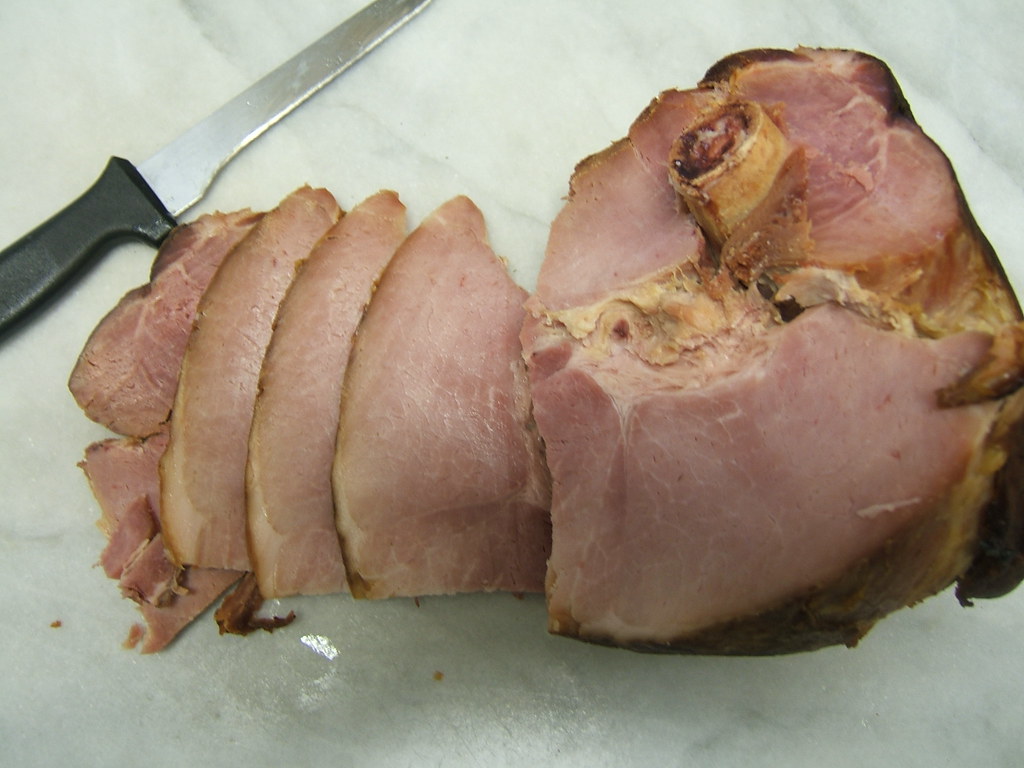
Ham is a classic centerpiece for holiday feasts and family gatherings. Whether it’s Easter, Christmas, or another special occasion, the goal is the same: heat or cook the ham safely without drying it out. The tricky part is that there is no single minutes-per-pound number that fits every ham.
The label matters. A fully cooked ham needs reheating, while a fresh or cook-before-eating ham needs to reach a safe finished temperature. Weight, bone, oven temperature, and the cut all affect timing, so use time as a planning guide and a thermometer as the final check.
What Changes the Cooking Time?
- Type of ham: fully cooked, cook-before-eating, and fresh ham require different treatment.
- Weight: larger hams generally need more time.
- Bone-in or boneless: shape and bone structure affect how heat moves through the meat.
- Cooking method: oven temperature and preparation method change the schedule.
- Starting temperature: a refrigerator-cold ham takes longer than one that has warmed slightly during preparation.
The USDA ham safety guide is the authority I would follow for the exact type and weight of ham on your counter. Check the package instructions too, especially for commercially packaged fully cooked hams.
Use Time to Plan, Temperature to Decide
For many hams, a 325°F oven is a practical starting point, but the correct time per pound varies by cut and whether the ham is already cooked. Instead of relying on one blanket rule, match your ham to the USDA chart and begin checking before the estimated finish time. A dependable instant-read meat thermometer is one of the most useful tools for the job.
Check the Thickest Part
Insert the thermometer into the thickest part of the meat without touching the bone. Once the ham reaches the temperature required for its type, remove it from the oven and allow it to rest before slicing. That rest makes carving easier and helps keep juices in the meat.
Build the Meal Around the Ham
A properly cooked ham works especially well for holiday feasts, family gatherings, and meals that are full of flavor. If you like a garden-to-table side, sweet potatoes are a natural partner; Alabama Grown’s guide to growing sweet potatoes even notes how well they fit holiday casseroles.
The simple rule is this: identify the ham first, use the correct time range for planning, and trust a thermometer rather than the clock for the finish. That approach is safer and far more reliable than treating every ham as if it cooks at the same rate.