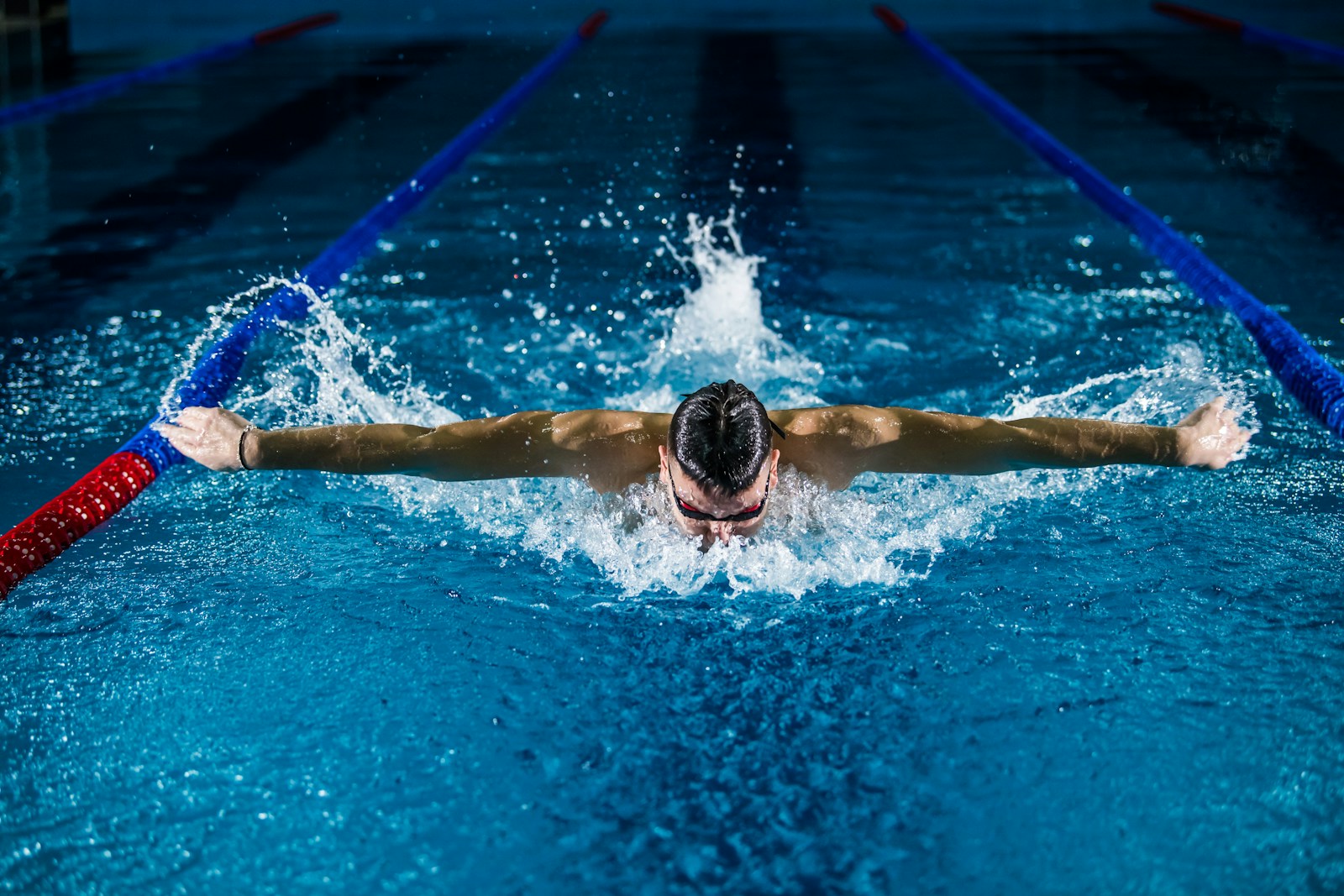
Sports conditioning is training that prepares an athlete for the real demands of a sport. It is not just running until you are tired. It is not one hard workout copied from a professional team. Good conditioning builds the mix of endurance, strength, speed, power, movement skill, and recovery that the athlete actually needs.
That mix changes from sport to sport and from athlete to athlete. A soccer midfielder, baseball catcher, wrestler, distance runner, and tennis player do not need the same work-to-rest pattern. Age, training history, injuries, season schedule, and current fitness matter too. In other words, conditioning works best when it has a reason behind it.
Conditioning Starts With the Sport
The first question is simple: what does the sport ask the athlete to do?
- How long does competition last?
- How often does the athlete sprint?
- How much rest occurs between hard efforts?
- Does the sport require repeated jumping, cutting, throwing, or contact?
- Is strength important? Is power important?
- How much skill work is already happening at practice?
- How many games or events happen each week?
The National Strength and Conditioning Association emphasizes that training should change with the athlete, the sport, and the competitive season. That principle is more useful than copying a generic weekly plan.
Aerobic Fitness Is the Base for Many Sports
Aerobic fitness helps the body keep working over time and recover between harder efforts. It matters in obvious endurance sports, but it also matters in many team sports.
A basketball player may sprint for only a few seconds at a time, yet the game contains many repeated efforts. Better aerobic fitness can help the athlete recover between them. The same idea applies to soccer, lacrosse, hockey, tennis, and many other sports.
Aerobic work can be simple. Easy running, cycling, swimming, or rowing can all help. Tempo work and longer intervals can help too. Pick the method that fits the sport. Also count the impact the athlete already gets in practice.
Anaerobic Conditioning Trains Hard Repeated Efforts
Some sports demand short bursts of very hard work. Sprinting, wrestling exchanges, repeated court movements, and fast changes of direction can rely heavily on anaerobic energy systems.
Intervals can train this ability, but more is not always better. A session of repeated sprints should have a clear goal. Rest periods matter because they change what the workout trains.
If every repetition becomes slow and sloppy, the session may no longer be training speed. It may simply be creating fatigue. Quality matters.
Strength Is Part of Conditioning
Conditioning is often treated as cardio only. That leaves out an important part of athletic preparation.
Strength helps athletes produce force and handle contact. It also helps them control landings and change direction. Good strength can help movement stay sharp as fatigue builds. A simple plan may use squats, hinges, pushes, pulls, carries, and single-leg work.
The exercises do not have to look exactly like the sport. The goal of strength training is to build useful physical qualities. Sport practice is still where the athlete learns the sport.
Power Is Strength Used Quickly
Jumping, accelerating, throwing, and striking require force to be produced quickly. That is why power training can matter for athletes who already have a good foundation.
Power work may include short sprints, jumps, or medicine-ball throws. Some athletes also use coached weight-room movements. A medicine ball can be useful for simple throwing drills. Do this work while the athlete is fresh enough to move well.
Speed Training Needs Real Rest
A common conditioning mistake is turning every sprint session into an endurance workout. True speed work needs enough recovery for the athlete to run fast again.
If the goal is acceleration or maximum speed, long enough rest between repetitions is usually helpful. If the goal is repeated-sprint ability, shorter rest may make sense. Those are different workouts even if both use sprinting.
Agility Is More Than Running Around Cones
Changing direction is one skill. Reacting to an opponent, ball, teammate, or play is another.
Cone drills can teach footwork and deceleration. They do not fully copy game agility because the route is known in advance. Sport practice and reactive drills add the decision-making part.
Learning how to slow down well is especially important. Many athletes spend plenty of time trying to get faster and much less time learning to control that speed.
Mobility and Stability Support Good Movement
Mobility is the ability to move through useful ranges. Stability is the ability to control those positions. Both can matter, but athletes do not need to chase extreme flexibility.
A pitcher, gymnast, hockey player, and lineman may need very different movement qualities. The goal is enough motion and control for the sport, not winning a stretching contest.
Conditioning Does Not Prevent Every Injury
Better preparation can improve an athlete’s ability to tolerate training and competition. It cannot make sports risk-free.
Contact, awkward landings, collisions, overuse, equipment problems, playing surface, and plain bad luck can still cause injuries. Our guide to acute and chronic sports injuries explains why some injuries happen suddenly while others build over repeated stress.
Conditioning should reduce avoidable overload, not create more of it.
Progress Gradually
The body adapts to training when the work is challenging enough and recovery is adequate. Jumping from very little training to a heavy preseason schedule gives the body less time to adapt.
Progress can come from several places:
- More repetitions.
- More sets.
- Longer work periods.
- More resistance.
- Higher speed.
- Less rest.
- More complex movements.
Changing all of those at once is usually unnecessary. A good program changes enough to create adaptation without making every week a test of survival.
Recovery Is Training Too
Fitness improves when the body gets time to recover. Sleep, food, fluids, and lighter days all matter. Time away from hard training matters too. Runners can find more practical recovery ideas at Sleaford Town Runners.
That does not mean every sore muscle needs a week off. It means the weekly plan needs hard and easier periods instead of stacking maximum effort on top of maximum effort.
An athlete who is constantly exhausted, losing performance, sleeping poorly, unusually irritable, or unable to recover may need the training load reviewed. Our article on listening to your body in sports gives a simple way to think about warning signs without turning every ache into a crisis.
Practice Already Counts as Training Load
This is easy to forget. A soccer player who practices hard for two hours has already done conditioning work. A basketball player with games on Tuesday and Friday has two high-demand days before the weight room is added.
The gym program should fit around the sport schedule. It should not pretend practice does not exist.
Off-Season Conditioning Can Be More General
The off-season often gives athletes more room to build general strength, movement skill, and aerobic fitness. There is usually less need to copy every game demand all year long.
This can also be a good time to address weaknesses, recover from the previous season, and enjoy some training methods that reduce repetitive sport stress.
Preseason Becomes More Specific
As competition gets closer, conditioning can move toward the speeds, durations, and work-to-rest patterns the athlete will face in games.
The trap is doing too much too late. Preseason is not the ideal time to make up for months of inactivity in one week. Sudden spikes in work create fatigue just when athletes need to sharpen skills and compete for positions.
In-Season Training Should Support Competition
During the season, games and practices become the priority. Strength and conditioning usually shift toward maintaining useful qualities while managing fatigue.
An athlete with three competitions in seven days should not use the same plan as an athlete with one competition and several recovery days. The calendar matters.
Young Athletes Need Age-Appropriate Programs
Children and teens are not small adults. Training should fit their age and growth. It should also fit their skill and experience. Coaches must count how much organized sport they already play.
Young athletes can do strength and conditioning with good coaching. The focus should be simple. Teach good movement. Add work slowly. Give close supervision. Build skills for the long term. Do not chase adult lifting numbers or use exercise as punishment.
Before organized school sports, families may also need the right medical paperwork. Our current guide to sports physicals and preparticipation exams explains why clearance is more than getting a form signed.
A Better Weekly Template Is a Framework, Not a Prescription
The old version of this article gave one weekly plan with two strength days, sprinting, plyometrics, intervals, agility, and a weekend game. That can be far too much for one athlete and too little for another.
A better framework asks four questions each week:
- What are the hardest sport days? Games, scrimmages, and high-intensity practices go on the calendar first.
- Which physical qualities need work? Strength, aerobic fitness, speed, power, or another need should have a reason.
- Where can recovery fit? Hard sessions need space around them.
- What can be removed? Extra work that does not serve the goal may only add fatigue.
That approach keeps conditioning attached to the sport instead of becoming a second sport of its own.
Measure What Matters
Testing can help, but the test should match the goal. A vertical jump can track explosive power. A short sprint can track acceleration. A shuttle or endurance test can help with conditioning. Strength can be tracked with safe, repeatable lifting measures.
The most useful question is whether the athlete is becoming better prepared for the sport while staying healthy enough to practice and compete.
Common Conditioning Mistakes
- Making every workout hard.
- Using conditioning as punishment.
- Doing long slow running for a sport that rarely needs it without a clear reason.
- Turning speed work into exhausted jogging.
- Adding gym volume without counting practice and games.
- Increasing training too fast before a season.
- Copying professional workouts for younger or less-trained athletes.
- Ignoring pain, illness, or declining performance.
- Testing constantly instead of training.
- Believing soreness proves a workout was effective.
Train for the Game, Recover for the Next One
Good conditioning has a purpose. It helps an athlete repeat the movements and efforts the sport demands with enough strength, speed, endurance, and control to keep performing as fatigue rises.
But most of all, conditioning should fit the athlete. The right plan for one player may be wrong for a teammate. The right off-season plan may be wrong during a tournament week.
Start with the sport. Build gradually. Count practices and games. Protect recovery. Keep technique clean. Then adjust the plan as the athlete grows, improves, and moves through the season.