Sports Streaming Bundles: Why Watching the Game Got So Complicated
Sports streaming was supposed to save us.
That was the promise.
Cut the cord. Pick what you want. Pay less. Watch anywhere. No more giant cable bill. No more mystery fees. No more calling customer service just to cancel a channel package you never wanted.
It sounded great. 2.4 GHz vs 5 GHz Wi-Fi: Which One Should We Use and When?
Then live sports got involved.
Now many of us are right back where we started. We are paying for bundles. We are chasing games across apps. We are checking blackout rules. We are trying to figure out why one game is on broadcast TV, another is on cable, another is on a paid streamer, and another needs a login we forgot we had.
In other words, streaming did not fully fix sports TV.
It moved the headache.
The Fan Just Wants the Game
Most fans are not asking for much.
We want to watch our team.
That is it.
We do not want a legal lesson on media rights. We do not want to study which company owns which package. We do not want to pay for five services just to follow one season.
But that is where we are.
Sports rights are split across many platforms because live games are one of the few things people still watch in real time. That makes them valuable. Very valuable.
So every media company wants a piece.
That is good for leagues. It can be good for players. It can be good for media firms.
But for fans, it can feel like a mess.
The Bundle Is Back
Streaming began as the anti-bundle.
Now bundles are coming back.
The names are different. The apps are cleaner. The billing may be digital. But the idea is familiar.
Pay one price. Get a package.
That can be useful. A good bundle can save money. It can reduce app switching. It can make life easier for fans who want several sports channels in one place.
But it also proves a funny point.
Cable was annoying, but the basic idea had value.
One place for many channels is not a bad idea. The problem was price, bloat, contracts, and poor customer care.
Streaming has a chance to rebuild the bundle in a better way.
But if the new bundle becomes expensive, confusing, and full of limits, then we have not moved forward much.
How to Take Screenshots on an HP Laptop or Desktop. We have just changed the logo.
Sports Are Harder Than Movies
Streaming movies and shows is one thing.
Streaming sports is different.
A movie can sit in a library. A game cannot. A game has a time. It has a market. It has rights. It may have local rules. It may have national rules. It may be blocked in one place and available in another.
That is why sports streaming gets messy.
Fans do not care about that complexity, and I do not blame them. But it is real.
A league may sell national games to one partner. Local games may belong to another. Playoffs may move again. Some games may be exclusive to a streaming service. Some may be on broadcast TV. Some may need a cable-style login.
The result is simple.
The fan feels lost.
The Cost Problem Is Coming Back
Cord-cutting used to feel cheaper.
For some people, it still is.
But sports fans often face a different math.
One service for football.
Another for soccer.
Another for baseball.
Another for local teams.
Another for playoffs.
Another for a single exclusive game.
That adds up.
And when each app raises prices, fans notice.
The cost does not always hit at once. It creeps in. Ten dollars here. Fifteen there. A premium tier. An ad-free tier. A sports add-on. A local package.
Before long, we are staring at a monthly total that looks a lot like the cable bill we ran from.
That is why fan frustration is growing.
Not because fans hate paying.
Fans will pay for value.
They hate feeling trapped, confused, or tricked.
The Search Problem Is Just as Bad
Price is not the only issue.
Finding the game is also a pain.
A fan should not need to search three apps, two websites, and social media to learn where a game is airing.
That should be easy.
The best sports streaming service will not only show games. It will help us find them.
It should tell us where our teams are playing, when they start, what we can watch with our current plan, and what we cannot.
Simple.
Clear.
No guessing.
That kind of user experience may matter as much as the rights themselves.
Because a fan who cannot find the game may not watch at all. Internet Connected But No Browsing? The Real Fix.
Younger Fans Watch Differently
This is where things get tricky.
Older fans may still think in terms of channels.
Younger fans often think in terms of clips, feeds, alerts, and moments.
They may watch the full game. But they may also follow through highlights, live posts, short videos, fantasy alerts, betting lines, and group chats.
That means streaming services are not just competing with each other.
They are competing with the internet.
If a full game is too hard or too costly to watch, some fans will settle for clips. That may keep them lightly engaged, but it can weaken the habit of live viewing.
Leagues should care about that.
A fan who only watches clips may never become a deep fan.
The Best Bundle Would Be Honest
Here is what I wish sports bundles would do better.
Be clear.
Tell us what is included. Tell us what is not. Tell us if local games are missing. Tell us if playoffs are included. Tell us if blackout rules apply. Tell us if the price is promotional.
Do not hide the catch.
Fans can handle limits if the limits are plain.
What makes people mad is the surprise.
You sign up because you think your game is included. Then it is not. Or it is blocked. Or it needs another plan. Or it only works through a partner app.
That is how trust gets lost.
And sports streaming needs trust.
Local Teams Are the Hardest Part
National games are easier to understand.
Local teams are where things can get rough.
Many fans follow one nearby team. That team may have a local rights deal that does not fit neatly into a national streaming bundle. So the fan who only wants the hometown team may still need a separate service.
Growing Brussel Sprouts in Alabama. That feels backward.
The most loyal fans can end up with the most confusion.
This is one reason regional sports networks have been such a sore point. Fans may see fees on bills or need special packages just to watch teams that feel local and familiar.
Streaming has not fully solved that.
It needs to.
Piracy Grows When Access Gets Too Hard
People do not like to say this part out loud.
But it is true.
When legal access is hard, some fans look for illegal streams.
That does not make it right. It does not make it safe. But it explains why ease matters.
The best way to fight piracy is not only with lawsuits. It is with a better product.
Make the legal path simple.
Make it fair.
Make it reliable.
Make it easy to find.
Fans should not feel punished for trying to pay.
Where This May Go Next
I think sports streaming will keep moving toward bundles.
Not one giant bundle for everyone. More likely, we will see several bundles based on league, network, or fan type.
Some will be good. Some will be overpriced. Some will be confusing. Some will fail.
Over time, fans will reward the ones that respect them.
The winners will be the services that make live sports feel simple again.
That means clear prices, fewer gaps, strong search, smooth video, and easy cancellation.
Not flashy promises.
Basic respect.
The New Cable Can Still Be Better
I do not think sports streaming is doomed.
Not at all.
It can still be better than old cable. It can be more flexible. It can be easier to cancel. It can be more personal. It can add stats, highlights, multiview, and better alerts.
But only if the industry remembers the fan.
The fan is not a spreadsheet.
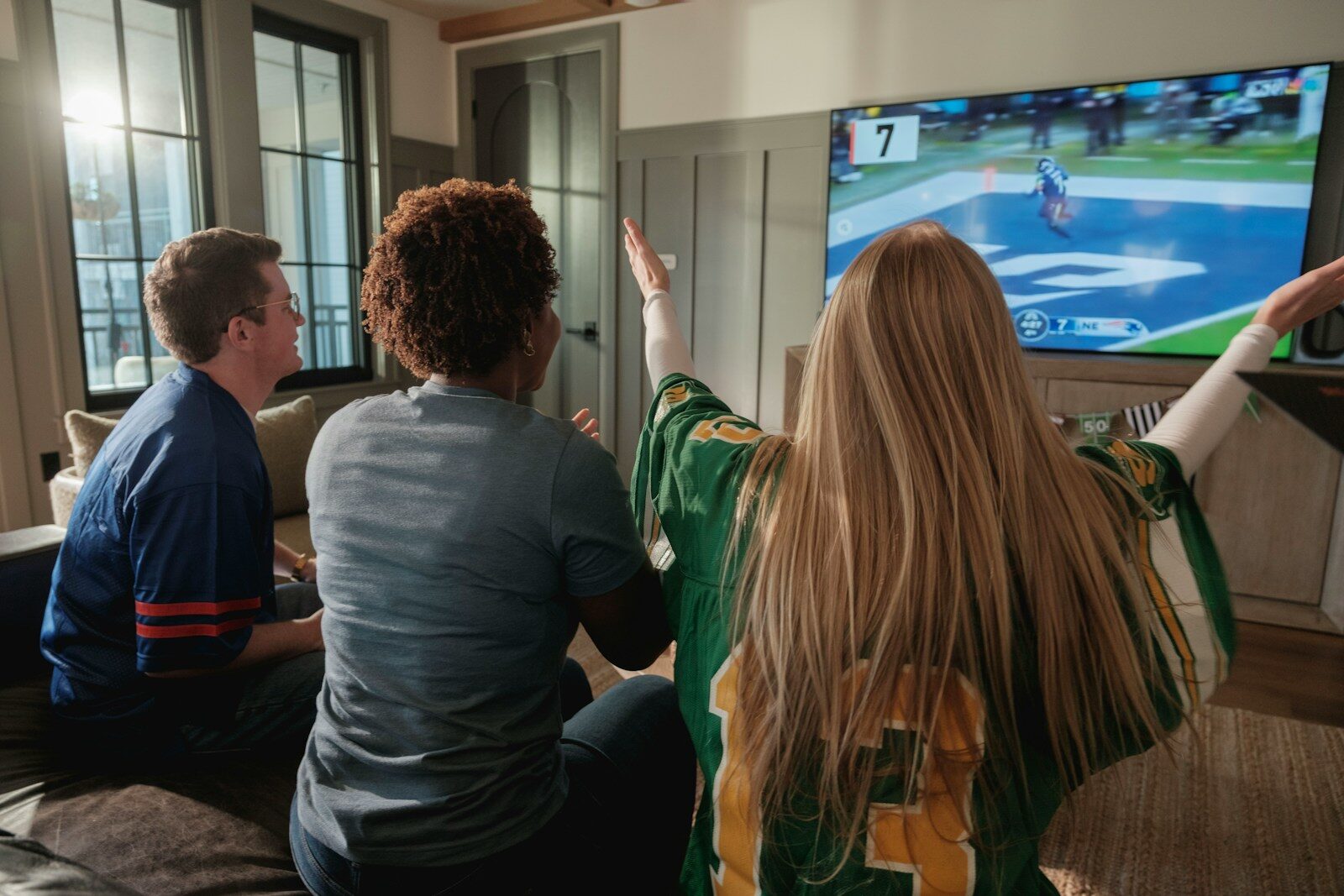
The fan is a person on a couch, phone in hand, trying to watch the game before kickoff.
That is the test.
The Remote Still Matters
Sports streaming has changed the screen.
It has not changed the core desire.
We want the game. We want it live. We want it clear. We want it at a fair price. We want to know where it is.
That should not be too much to ask.
If the new bundles can give us that, they will work.
If not, fans will keep asking the same old question.
Why is watching sports this hard?