I don’t drink from a clear creek just because it looks clean. Cold water can look perfect and still carry germs. That is one lesson I’d rather learn from a book than from a long night in a tent.
My water kit is simple. I carry one main way to treat water and one backup. I also try to start with the best water source I can find. A good tool helps, but a bad source can still beat a good plan.
Clear water can still make you sick
The hard part is that you can’t see most of the things that make water unsafe. The CDC says untreated water can carry germs even when it looks clear. It also says boiling is the best way to kill germs in water. If boiling is not practical, filtering and then treating the water is a strong next choice.
That matters because “clear” only tells you that the water has little dirt in it. It does not tell you if an animal was upstream. It does not tell you if runoff entered the creek. It does not tell you what happened around the next bend.
I look for moving water when I can. I favor a spring or a small flowing stream over a warm, still pool. I also look uphill and upstream. If I see cattle, a road ditch, a mine site, heavy algae, or a dead animal, I keep walking when I have another choice.
Filter, purifier, or treatment?
These words get mixed up a lot. A filter pushes water through tiny holes. Many camping filters are made to catch common parasites and bacteria. They can also take out silt and bits of plant matter.
A purifier goes farther. It is made to deal with viruses too. That can matter in places where human waste may reach the water. It can also matter on some trips outside the United States.
Chemical treatment uses drops or tablets. Ultraviolet, or UV, light uses a small lamp to damage germs. Boiling uses heat. All four methods can have a place. None of them is magic.
The filter I reach for most
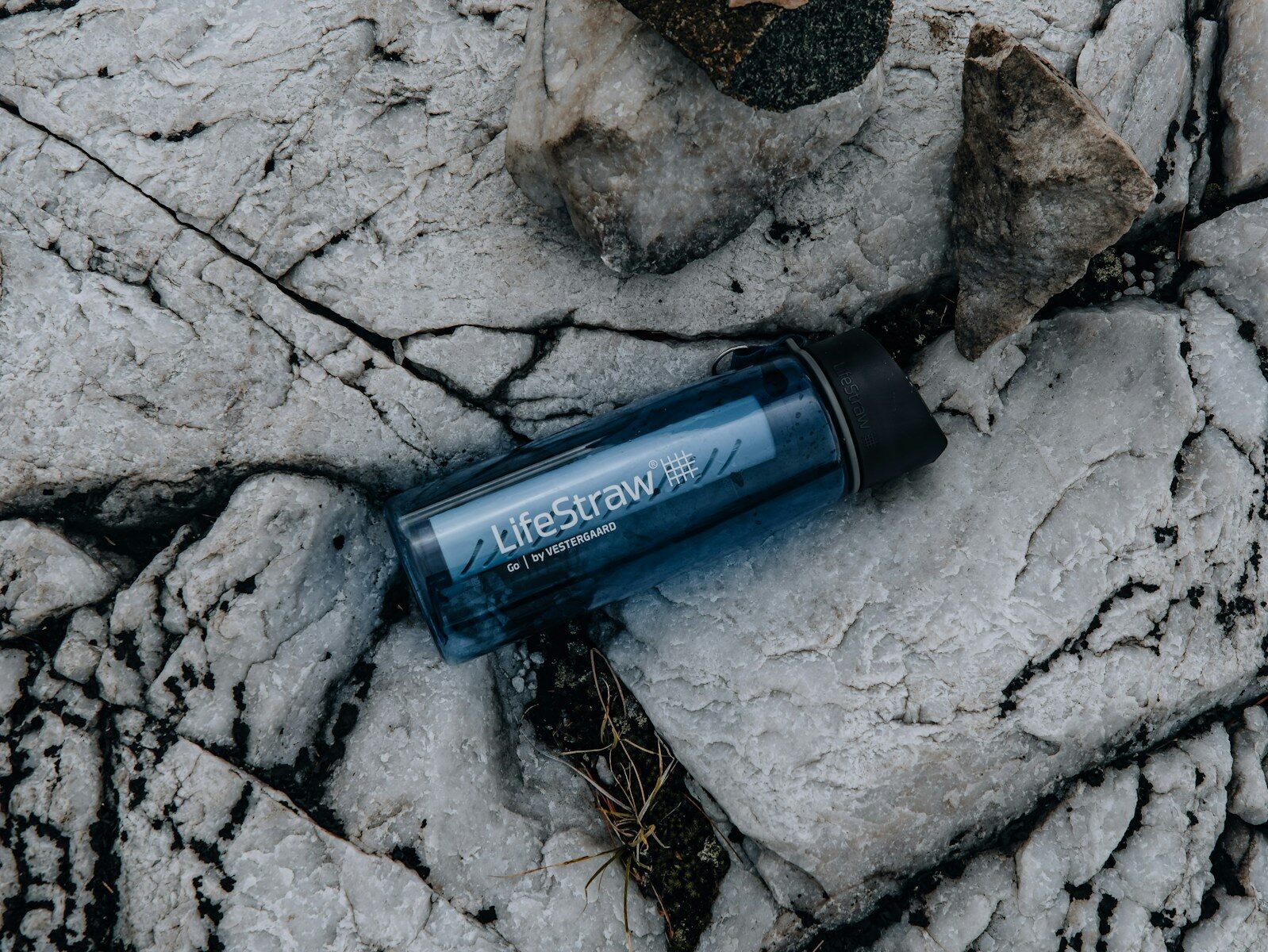
For most of my camping in the United States, I like a small squeeze water filter. It is light. It works fast. It has few parts. I can fill a dirty-water bag, screw on the filter, and squeeze clean water into my bottle.
For two or more people, I like gravity filters even more. Hang the dirty bag from a limb. Let gravity do the work. That saves a lot of hand squeezing at camp.
This is also why I don’t chase the fanciest gear. A simple filter that I know how to clean is worth more to me than a complex unit I barely know how to use.
What a basic filter does not fix
This is the part that gets lost in ads. A common backpacking filter may not remove viruses. It also will not make fuel, farm chemicals, salt, or toxic algae safe to drink. If the water has a chemical problem, I find another source.
A filter can also clog. Muddy water can slow it to a sad little drip. If the water is full of silt, I let it settle first. I may pour it through a clean bandanna before it reaches the filter. That simple step can save a lot of backflushing later.
Boiling is still the old reliable
Boiling is not trendy, but it works. The CDC says to bring clear water to a rolling boil for one minute. Above 6,500 feet, boil it for three minutes. Then let it cool.
If I already have the stove out, boiling can be easy. A good camp kitchen also makes the job less fussy. Our outdoor cooking essentials guide covers the basic gear that makes hot meals and boiled water easier at camp.
The downside is fuel and time. Boiling every bottle on a hot day gets old fast. It also leaves you waiting for water to cool. I use it as a strong option, but not always as my first option.
Tablets and drops are a good backup
I like chlorine dioxide water-treatment tablets as a backup because they weigh almost nothing. If my filter breaks, freezes, or gets lost, the tablets keep a small problem from becoming a trip-ending problem.
The catch is wait time. Read the label and follow it. Some germs take longer to treat than others. Cold or cloudy water can also slow the process.
Taste is personal. I can live with a small chemical taste if the other choice is an untreated creek. My stomach has never sent me a thank-you card for being brave.
UV works, but it needs clear water
UV tools can be fast. You place the lamp in the water and stir as the unit runs. They can treat bacteria, viruses, and parasites when used as directed.
The catch is that cloudy water can block the light. Batteries can also die. A lamp can break. I would not carry UV as my only plan on a long trip unless I had a backup.
My simple two-layer plan
For a normal backcountry trip, I like a filter plus a small pack of treatment tablets. The filter handles the daily work. The tablets sit in the repair kit and do almost nothing until I need them.
That same idea fits the rest of camp gear too: one tool for the job, plus a small backup for the few things that can ruin a trip. If you are new to carrying all your gear, this beginner’s guide to backcountry camping has a good plain list of what matters and what can stay home.
In a place where virus risk is higher, I would filter and then disinfect. If I had no filter, I would boil when I could. The right answer can change with the place.
Keep the clean side clean
People spend a lot of time talking about filter size. I think clean handling matters just as much. I keep the dirty bag away from my clean bottle mouth. I wash my hands before I handle the clean side when I can.
I also mark dirty-water gear. A little tape can stop a tired person from grabbing the wrong bottle at night.
If a hollow-fiber filter gets wet, I protect it from freezing. Ice can damage the tiny tubes inside. The bad part is that you may not see the damage. On cold nights, I seal the filter in a bag and keep it inside my sleeping bag or close to my body.
A little care keeps a filter useful
Backflush the filter as the maker tells you. Do not wait until the flow is almost gone. Let muddy water settle. Keep caps on clean ends. Dry and store the unit the right way after the trip.
Where you camp matters too. On a wet mountain trip, water may be easy to find. On a dry ridge, it may not be. Our Great Smoky Mountains camping guide is a good reminder that route, weather, and camp rules should shape what you carry.
Car camping changes the math
At a drive-up camp, I usually bring more safe water from home. It is cheap, fast, and one less chore. I may still carry a filter for day hikes or as a backup.
A larger gravity system can be handy for a group. So can a clean water jug with a spigot. You can treat water once, then use it for drinking, coffee, and cooking.
Big base camps also tend to collect lights, phones, fans, and chargers. If you are sorting that side of camp, our power station versus generator guide can help you pick a quiet battery setup or a fuel unit without buying more machine than you need.
What I carry
My own kit is boring on purpose. Boring gear is often good gear. I want to know what each item does without reading a manual beside a creek.
- A small squeeze filter I know how to clean.
- A dirty-water bag of about two liters.
- A clean bottle that never holds raw water.
- A few chlorine dioxide tablets in a sealed bag.
- A bandanna for very muddy water.
- A spare cap or washer if my filter needs one.
For a group, I may swap the squeeze bag for a gravity bag. For winter, I add more care for freezing. For travel in a place with higher virus risk, I add a disinfection step.
The simple answer
If you want one easy setup for common camping in the United States, I would start with a good backpacking filter and a small chemical backup. Learn how to use both before the trip.
Then use your eyes. Pick the best source you can. Treat the water every time. Keep clean gear clean. That plan is not exciting, but neither is spending the night ten feet from the campground bathroom.