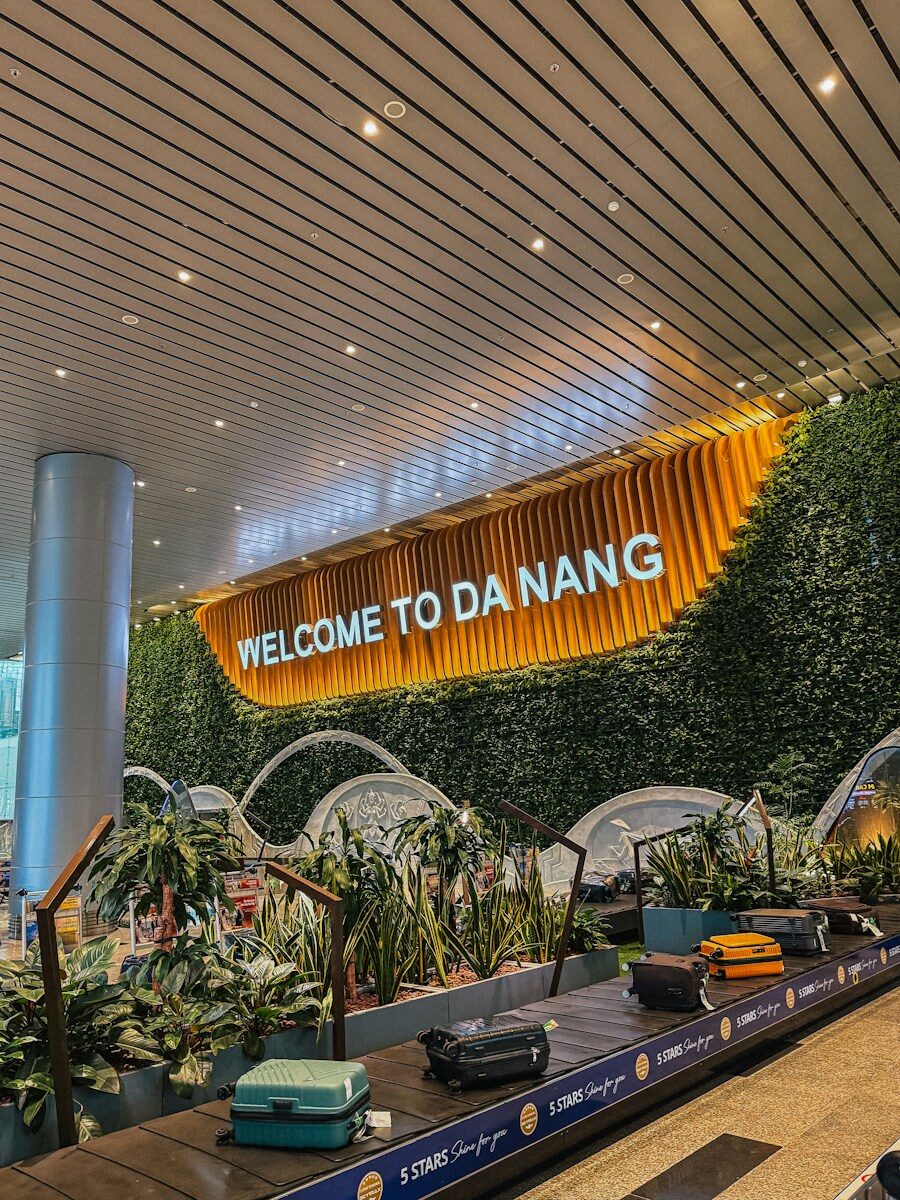
Central Vietnam’s coastal gem has earned international praise as a tropical haven offering an idyllic mix of natural wonders, historical heritage, luxury hospitality, and vibrant culinary traditions. Stretching gracefully along the ocean, the destination welcomes millions of international globe-trotters each year seeking sunshine, cultural discovery, and unforgettable seaside relaxation. However, transitioning from a well-planned dream holiday to an actual ground experience involves navigating real-world complexities that can quickly derail an unprepared visitor. From subtle financial discrepancies and seasonal monsoon risks to food safety concerns, spa scams, and hidden transportation surcharges, an effortless vacation requires thorough awareness. By understanding the practicalities of local travel, discerning holidaymakers can safeguard their well-being, protect their budgets, and experience Central Vietnam with complete confidence.
Navigating Seasonal Weather Shifts and Ocean Swimming Risks
While many travelers picture Central Vietnam as a year-round sun-drenched paradise, the region actually experiences two distinct climatic seasons that dictate daily travel conditions. The dry season, lasting roughly from February through August, delivers warm temperatures, clear blue skies, and calm sea waters ideal for outdoor sightseeing and water sports. Conversely, the wet monsoon season, spanning from September through January, introduces heavy tropical downpours, high ocean swells, severe humidity shifts, and occasional typhoon warnings. Travelers planning itineraries during late autumn or winter must remain exceptionally adaptable. Heavy torrential rains can lead to localized urban flooding along low-lying coastal roads, while thick fog and heavy rain up in the high-altitude Truong Son Mountains can severely obscure visibility at elevated attractions like Sun World Ba Na Hills, turning scenic photo opportunities into damp, chilly outings.
Furthermore, ocean safety demands rigorous personal caution regardless of the month. During transitional climate periods, powerful rip currents, sudden offshore drop-offs, and strong undercurrents can form rapidly along My Khe Beach and Non Nuoc Beach. Even confident swimmers should strictly respect the red flag warnings posted along public beaches, which signal dangerous water conditions prohibiting swimming. Swimming should only occur within clearly designated zones actively supervised by trained municipal lifeguards during official daylight hours. Entering the water alone after sunset or after consuming alcoholic beverages at beachfront lounges represents a severe hazard that must be avoided entirely.
Financial Vigilance: Currency Exchange, Card Scams, and Tipping Norms
Navigating financial transactions in Vietnam requires careful attention, as foreign visitors frequently encounter unfamiliar currency conventions, unexpected banking fees, and subtle payment traps. The local currency, the Vietnamese Dong, features polymer banknotes with multiple zero denominations that can cause instant confusion for first-time international visitors. Beyond checking paper money for similar colors—such as distinguishing the light blue twenty-thousand dong note from the dark blue five-hundred-thousand dong note—travelers should remain hyper-aware of conversion calculations during cash exchanges. When exchanging foreign currency at airports, gold shops, or hotel front desks, always verify the current daily benchmark interbank rate on an official financial app beforehand. Always count your cash carefully in front of the teller before stepping away, ensuring that no torn, badly worn, or damaged bills are handed to you, as local shopkeepers frequently reject damaged banknotes.
When utilizing credit or debit cards at local restaurants, boutique shops, or wellness spas, exercise proactive vigilance against point-of-sale card cloning or unauthorized surcharge markups. Some merchant terminals automatically apply an unannounced transaction fee ranging from three to five percent for international card processing, while others may process charges in your home country’s currency using unfavorable dynamic currency conversion rates instead of processing in Vietnamese Dong. To minimize hidden costs, always request payment processing in local currency. Furthermore, never allow staff members to take your payment card out of your direct line of sight to process a transaction in a back office, as card detail skimming remains an occasional issue in unverified establishments.
Tipping customs in Central Vietnam also differ significantly from Western practices. While high-end luxury resorts, fine dining establishments, and international hotel chains typically include a five percent service charge alongside government taxes on your final bill, smaller family-run eateries, traditional coffee shops, and local taxi drivers do not expect formal tips. However, leaving small cash gratuities for exceptional personal service—such as room housekeepers, spa therapists, or private drivers—is warmly appreciated as a gesture of polite generosity.
Food Hygiene, Preventative Health, and Commercial Etiquette
Sampling local street food delicacies, such as sizzling rice pancakes, aromatic noodle soups, and fresh seafood, is widely considered a highlight of visiting Central Vietnam. However, unfamiliar food preparation methods, water purification variances, and tropical heat can sometimes result in digestive discomfort or severe foodborne illnesses that ruin several days of your holiday. Protecting your stomach begins with exercising thoughtful selectivity when choosing where to dine. Seek out busy street food stalls and neighborhood eateries that maintain a high turnover of local customers, as rapid dish turnover guarantees that ingredients are fresh and thoroughly cooked rather than sitting out at room temperature for hours under the tropical sun.
Additionally, pay close attention to personal hygiene and raw ingredient handling. Avoid eating raw or undercooked shellfish from small roadside stalls lacking proper ice storage facilities. When enjoying popular noodle dishes like Mi Quang, ensure that fresh herb garnishes have been washed thoroughly with clean purified water, or simply submerge raw greens into piping-hot broth before consuming them. To prevent dehydration and heat exhaustion during long afternoons of outdoor exploration, drink generous amounts of sealed, brand-name bottled mineral water. Avoid drinking unpasteurized dairy products or tap water, and exercise sensible caution with crushed street ice unless you verify it comes from commercially manufactured, cylindrical ice blocks with hollow centers.
Beyond health safety, navigating day-to-day commercial interactions requires an understanding of local pricing structures and sales tactics. In bustling commercial markets such as Han Market or Con Market, vendors routinely quote significantly inflated opening prices to foreign tourists for souvenirs, traditional silk dresses, woven bamboo goods, and packaged dry coffee. While polite bargaining is an accepted, lighthearted element of traditional market culture, visitors should maintain a friendly, calm demeanor, offering roughly fifty to sixty percent of the initial asking price and negotiating toward a mutually agreeable middle ground. Similarly, caution is advised when selecting wellness spas along popular tourist strips. Always confirm the final inclusive price—specifically asking whether staff gratuity and taxes are included—before commencing any treatment to avoid unexpected mandatory fees upon checkout.
Transportation Hazards and Cultural Sensitivity
Moving around the region independently demands a clear understanding of local transport rules, highway toll structures, and regional transit hazards. While ride-hailing smartphone applications provide fixed-fare convenience within city limits, longer long-distance journeys—such as traveling over the scenic Hai Van Pass to the imperial city of Hue or taking a day trip to the ancient town of Hoi An—incur additional costs that may not appear in initial app estimates. Official highway toll booth charges, airport entrance drop-off fees, and parking permits are traditionally paid directly by the passenger in cash unless explicitly included in your driver’s upfront quote. Always clarify these potential extra charges with your driver prior to setting off. For travelers renting private motorbikes, strict adherence to traffic laws is imperative. Operating a motor vehicle without a valid driver’s license recognized by Vietnamese authorities invalidates travel insurance policies, leaving drivers fully exposed to massive financial liabilities in the event of a road accident.
Finally, respecting local cultural etiquette guarantees positive interactions with residents across Central Vietnam. Visiting sacred spiritual landmarks—such as ancient pagodas, historical tombs, and family shrines—requires adherence to modest dress codes and quiet decorum. Visitors should always ensure that their shoulders, chest, and knees are fully covered with appropriate clothing before entering temple grounds. Avoid wearing sleeveless tank tops, short skirts, or sheer beachwear inside places of worship. Shoes, sandals, and hats must always be removed prior to stepping onto raised wooden platforms or entering enclosed prayer halls housing sacred altars. Always ask for explicit verbal permission before photographing elderly residents or Buddhist monks, showing genuine respect for local traditions.
Overcoming Travel Friction with Professional Local Agency Guidance
While managing these complex logistics, safety checks, and cultural nuances independently is certainly possible, attempting to oversee every detail on your own can quickly turn a relaxing holiday into an exhausting chore. Shifting weather conditions, language barriers, unexpected highway detours, and unverified online reviews can create unnecessary stress, consuming precious holiday time that should be spent relaxing and enjoying your surroundings.
This is precisely where partnering with a professional Da Nang Travel Agency transforms your entire holiday experience. By entrusting your itinerary to established ground specialists, you gain access to an organized, stress-free travel framework that protects you from common tourist traps while unlocking the absolute best that Central Vietnam has to offer. Dedicated local travel coordinators possess deep destination expertise, vetting every private driver, hotel property, tour guide, and restaurant partner to guarantee the highest standards of safety, hygiene, and authentic service quality.
Working alongside a reputable Da Nang Travel Agency allows you to completely bypass logistical headaches. Instead of worrying about negotiating fair taxi fares, verifying vehicle insurance, or navigating language barriers at crowded ticket booths, your private transport and pre-booked venue admissions are arranged seamlessly in advance. Whether you require smooth, priority access to high-demand attractions like the Golden Bridge at Ba Na Hills, private boat charters along the Han River, or customized cultural excursions to hidden heritage sites, professional planners handle every detail with absolute precision.
Furthermore, relying on a trusted Da Nang Travel Agency provides a critical safety net throughout your stay. Should unexpected tropical weather require last-minute schedule changes, or if a flight delay disrupts your arrival plans, dedicated ground staff offer twenty-four-seven real-time assistance, adjusting your transportation and hotel bookings instantly without extra hassle or inflated emergency fees. Multilingual local guides also serve as cultural bridges, offering rich historical commentary, introducing you to authentic neighborhood eateries hidden from generic tourist maps, and ensuring that your interactions with local merchants remain fair, respectful, and enjoyable.
Ultimately, choosing expert local tour management does not mean sacrificing your independence; rather, it elevates your freedom by removing operational friction. By leaving complex route logistics, safety checks, transparent pricing management, and venue arrangements to a dependable Da Nang Travel Agency, you can focus entirely on immersing yourself in the breathtaking scenery, rich culture, and world-class hospitality of Central Vietnam, returning home with cherished, lifelong memories.