A file clerk is a person who keeps records easy to find.
That sounds small. It is not.
When files are a mess, work slows down. People miss deadlines. Bills go unpaid. Care plans get lost. A case can even go sideways.
So a file clerk does something simple, but big.
They make sure the right paper, or the right scan, is in the right place. At the right time.
What a file clerk is
A file clerk is an office worker who stores, tracks, and pulls records.
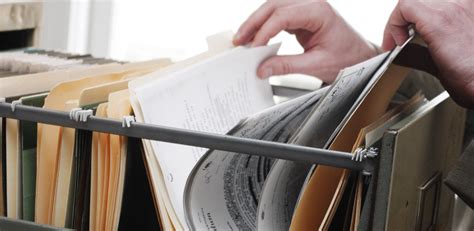
Those records can be paper. They can be digital. Many jobs use both.
A file clerk may sort papers, label folders, scan pages, upload files, and keep logs of what was filed and what was taken out.
Think of the job as “clean lines.”
Clean names. Clean folders. Clean steps.
That is the whole point.
What a file clerk does each day
Most days have a steady rhythm. The work is often repeat tasks, done with care.
Here are common duties.
Sort and file documents
A file clerk files things like invoices, receipts, letters, forms, and other records.
They file by the system the office uses. It may be by name, number, date, or case.
Find and pull files when asked
Staff may ask for a folder fast. A file clerk finds it, checks it out, and tracks where it went.
Scan and upload into digital storage
Many offices use electronic filing. So file clerks scan pages and upload them to the right place.
Keep the system accurate
A good system is only good when it stays true.
File clerks may:
- fix wrong labels
- remove duplicates
- check that pages are in order
- make sure files are complete
Handle basic office support tasks
Some file clerks also help with phones, mail, copying, and office machines, based on the workplace.
In other words, we help the office run smooth.
Where file clerks work
File clerks show up in many places. Any place with paperwork needs them.
Common settings include:
- law offices
- doctor offices
- local government
- colleges and schools
- admin service firms
Some file clerks work in records rooms. Some work at a front desk. Some work in back offices with scanners and shared drives.
The space changes. The goal stays the same.
Order.
Paper files vs digital files
A lot of people think filing is old-school. But filing never went away.
It changed shape.
Paper filing
Paper filing is still used for:
- signed forms
- legal docs
- medical charts in some sites
- records that must be stored as originals
Paper filing needs:
- clear labels
- strong rules
- clean storage
- a way to track removals
Digital filing
Digital filing is now common.
It often means:
- scanning documents
- naming files the right way
- placing them in the right folder or system
- making sure staff can find them later
The hard part is not the scan.
The hard part is doing it the same way every time.
That is what makes search work.
Skills that make a file clerk great
This job is not about being “smart in a loud way.”
It is about being steady.
Organization
You notice patterns. You follow the system. You do not “wing it.”
That keeps chaos out.
Attention to detail
One wrong digit can hide a file for weeks.
A good file clerk catches small errors early.
Speed with care
Fast helps. But neat is what wins.
The best clerks do both.
Basic computer comfort
Many roles use scanners, shared drives, and office tools. If the office also manages records through a website, WrightHost’s guide to website accessibility for small business is a useful reminder that digital documents and systems should stay clear and usable for the people who need them.
You do not need to be a coder. You do need to be calm with screens and menus.
Trust and privacy
Files often include private info.
A file clerk follows rules for access and safety. O*NET also lists work that can include securing confidential materials.
That matters a lot in health, law, and finance.
Tools file clerks use
Most file clerks use a mix of simple tools.
Paper tools:
- folders, labels, and tabs; if you are setting up a paper system from scratch, file folders, labels, and tabs are the basic supplies to compare
- filing cabinets or shelves
- log sheets for check-outs
Digital tools:
- scanners; for a small office digitizing paper records, a duplex document scanner can speed up routine batches
- shared drives or document systems
- spreadsheets or simple databases
- naming rules and folder maps
The tools are not fancy.
The method is the value.
A day-in-the-life feel
A typical day can look like this.
You start by clearing the “incoming” stack.
You sort it into groups. You check for missing pages. You stamp dates if the office does that.
Next, you file what you can. Some items go into paper folders. Some go to scan.
Then requests start coming in. A staff member needs a case file. Another needs last month’s invoices. Someone needs a copy of a form that was signed last week.
You pull the file. You track it. You deliver it.
After that, you return items and reset the system.
It is a loop.
But most of all, it is a calm loop.
And a calm loop is what offices love.
Education and entry level path
Many file clerk roles are entry level.
They often ask for:
- high school diploma or equivalent
- basic typing and computer skills
- comfort with routine work
- ability to stay organized
Some roles prefer office experience. But many train on site, since each place has its own system.
This makes file clerk work a common “first office job.” If you are comparing that entry-level route with a college program, compare the credential, total cost, and likely job outcome before paying for school.
It is also a solid “restart job” for people changing fields.
Pay and job outlook basics
Pay changes by state, industry, and setting. So it is best to use a trusted national source for a baseline.
The U.S. Bureau of Labor Statistics reported for File Clerks in May 2025:
- median pay about $20.96 per hour, or about $43,600 per year
- pay ranges vary by percentile
This is a snapshot, not a promise. That median sits close to $22 an hour, which helps show how an hourly wage translates into annual pay and a real household budget.
Still, it gives us a fair anchor.
Also, different industries can pay more. BLS industry data shows variation by industry group.
Job titles that are close to file clerk
Many listings use different names for similar work.
You may see:
- records clerk
- document clerk
- file room clerk
- office clerk with filing focus
- medical records clerk in some settings
The core work is the same.
Keep records clean. Keep them findable.
Career growth from file clerk work
This job can lead to more. Some people use an office role as a first step before moving into a more specialized credentialed job, such as pharmacy technician work.
The reason is simple.
When you learn the files, you learn the business.
Common next steps include:
- administrative assistant
- office manager support roles
- records coordinator
- legal assistant track in law firms
- medical records and health info roles in clinics
You build trust by being reliable.
Then doors open.
What makes the job a good fit
Some of us love this work. Some of us do not.
The job is a good fit when you like:
- order
- clear rules
- repeat tasks
- quiet wins
- helping others move faster
It can be a hard fit when you need:
- constant change
- high social energy all day
- open-ended work with loose rules
This is not about better or worse.
It is about match.
Why file clerks still matter in a digital world
Even with cloud storage, we still need people who manage records.
A computer can store a file.
But a computer does not always know:
- what the file should be called
- where it should live
- who should access it
- what “complete” looks like
Humans do.
That is why this role stays useful.
BLS also notes that file clerks may work with electronic filing systems by scanning and uploading documents.
The job moves with the times.
The mission stays steady.
Paper Trails, Clear Days
A file clerk is the person who keeps the office from tripping over its own paperwork.
We take messy piles and turn them into a system.
We make it easier to work. Easier to prove. Easier to trust.
And after more than a few days of smooth flow, everyone can feel the difference.