World Cup 2026 Travel: Why North America Is About to Feel Soccer in a New Way
The 2026 World Cup is not just a soccer tournament.
It is a travel event.
That may sound obvious. But this one is different.
The tournament will stretch across the United States, Mexico, and Canada. It will use many cities, many stadiums, and many fan bases. It will bring people who planned for years and people who decide at the last minute that they want to be near the noise.
That is what makes it exciting.
And yes, a little overwhelming.
This World Cup Will Feel Huge
Some sports events belong to one city.
This one will not. Why Travel Agents Still Matter (A Lot More Than You Think).
The 2026 World Cup will be spread across North America, which means the feeling will be wide. Fans may follow a team from one city to another. Others may pick one host city and stay there. Some may not get into a match at all but still travel for the fan events, bars, street life, and public watch parties.
That is part of the World Cup charm.
The game is inside the stadium.
But the event is everywhere.
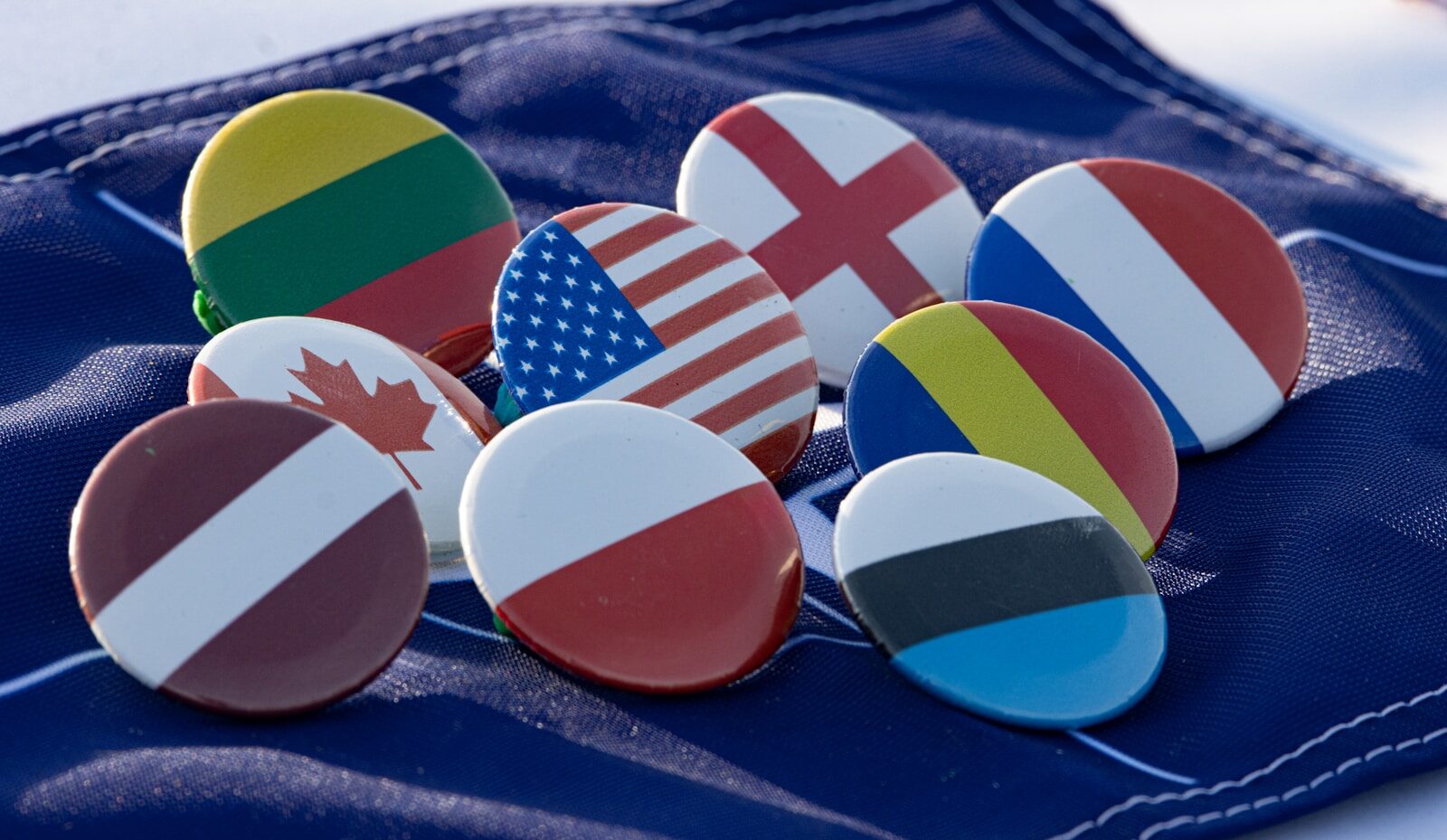
It is in airports. Hotels. Trains. Rideshares. Restaurants. Parks. Sidewalks. Jerseys. Songs. Flags. Chants.
For a few weeks, normal cities can feel like meeting points for the world.
Travel Planning Matters More Than Usual
A regular sports trip is simple compared with this.
You pick a game, book a hotel, and go.
World Cup travel has more moving parts.
Tickets may be hard to get. Hotel prices may rise. Flights may fill. Local transit may be crowded. Some stadiums may be outside the city center. Some host cities may have heat, traffic, or long rides between key areas.
So planning early matters.
But planning smart matters even more.
A cheap hotel far from transit may not be cheap once you add rides. A flight at a bad time may make match day stressful. A rental car may help in one city and be a burden in another.
The best plan is not always the fanciest plan.
It is the one that reduces stress.
Pick the City Before the Match Sometimes
Most fans start with the match.
That makes sense.
But for some travelers, it may be smarter to start with the city.
If you cannot get the exact game you want, you can still have a great World Cup trip. A strong host city can offer fan zones, watch parties, food, music, museums, neighborhoods, and a mix of supporters from around the world.
In other words, the city can carry the trip.
That is useful if match tickets are too costly or too scarce.
You can still go where the energy is.
You can still be part of it.
The Host Cities Will Not Feel the Same
That is a good thing.
A World Cup in North America will not have one single flavor.
Mexico City will feel different from Toronto. Toronto will feel different from Los Angeles. Los Angeles will feel different from Kansas City. Kansas City will feel different from Miami.
WNBA Growth in 2026: Why the League Is Not Waiting Anymore. This variety is the point.
Some cities will offer huge immigrant soccer cultures. Some will offer classic American sports energy. Some will offer food and nightlife. Some will offer easier stadium access. Some will be better for families. Some will be better for groups of friends.
The smart traveler should match the city to the trip they want.
Not every fan needs the same experience.
Budget Travel Will Be Hard, but Not Impossible
Let’s be real.
World Cup travel can get expensive.
Hotels know what is coming. Airlines know what is coming. Ticket sellers know what is coming. Restaurants and bars may feel the rush too.
But there are still ways to control cost.
Stay farther out if transit is strong. Share lodging with friends. Avoid peak match nights if you are only going for the atmosphere. Book refundable rooms when possible. Watch flights early. Consider cities where your money goes farther.
And be honest about what matters.
If the match is the dream, spend there and save elsewhere. If the city experience is the dream, maybe skip the ticket and enjoy public viewing.
There is no one right way to do a World Cup.
Public Transit Could Make or Break the Trip
Stadium access is a big deal.
Some stadiums are easy to reach. Some are not. Some cities are built around cars. Some have stronger transit. Some may add special service during the tournament.
Before booking a room, check how you will get to the stadium or fan zone.
Do not just look at distance on a map.
A hotel five miles away can be easy or awful. It depends on transit, traffic, walking routes, and event-day rules.
This is where many travelers get burned.
They book the room first and solve transport later.
WordPress.com’s AI Sprint: Site Builder + Temporary Plugin Access, Explained for Real Users. Do it the other way around.
Expect Crowds Beyond the Stadium
The World Cup does not only affect match days.
Cities may be busy for weeks.
Fans arrive early. They stay late. They gather for other teams’ games. They go to bars at odd hours because time zones shape kickoff times. They fill public spaces. They turn normal neighborhoods into mini fan zones.
That can be wonderful.
It can also be tiring.
So build in rest.
Do not plan every minute. Leave room to wander. Leave room to wait. Leave room for slow meals, long lines, and sudden plans.
The best World Cup memories are often not scheduled.
They happen on the way to something else.
Safety Should Be Simple and Practical
Most World Cup travel safety advice is common sense.
Stay aware. Keep your phone charged. Watch your bag. Use trusted transit. Do not flash cash. Have a meeting spot if your group splits. Know how you are getting back before you leave.
Also, drink water.
That sounds basic, but summer travel can wear people down fast. Heat, walking, alcohol, and crowds are a rough mix.
A good trip can turn bad if you ignore your body.
So take breaks. Eat real food. Wear comfortable shoes. Carry a small charger. Save key addresses offline.
Simple things help.
The Fan Mix Is the Magic
The best part of the World Cup is not always the soccer.
It is the people.
You may see fans from countries you have never visited. You may hear songs you do not understand. You may trade pins, take photos, share tables, and cheer with strangers.
Optunia fragilis Potato Cactus that is rare.
Most travel keeps us in our own lane. The World Cup breaks that a little.
It gives people a reason to talk.
Even if you are not a huge soccer fan, that part can get to you. The color, sound, pride, and joy make the event feel bigger than sport.
It feels like a world fair with a ball in the middle.
Restaurants and Small Businesses Should Prepare
Host cities are not the only winners.
Small businesses can benefit too.
Restaurants, bars, coffee shops, merch sellers, tour guides, local attractions, and transit services may see new demand. But they need to be ready.
Clear hours help. Simple menus help. Staff planning helps. Multilingual signs may help. Fast service matters. A good social media presence matters.
Travelers will search on their phones and make quick choices.
Businesses that make things easy will win more of that traffic.
Locals Should Plan Too
If you live in a host city, you are part of the event whether you care about soccer or not.
Traffic may change. Work commutes may change. Prices may rise. Your favorite bar may be packed. Your city may feel louder than normal.
That can be annoying.
But it can also be fun if you plan for it.
Avoid certain areas on match days if you hate crowds. Or lean in and enjoy the once-in-a-generation feel.
Locals often skip the things tourists travel for.
This may be a good time not to.
The Trip Does Not Need to Be Perfect
World Cup travel will be messy.
Something will run late. A plan will change. A line will be longer than expected. A restaurant will be full. A ticket may fall through. A favorite team may lose.
That is travel.
That is sports.
The goal is not perfection.
The goal is to be there, feel it, and come home with a story.
That is what this tournament will offer.
Stories.
A Summer Built Around the Ball
World Cup 2026 will be big on TV.
But for travelers, it will be bigger on the ground.
It will be flags in hotel lobbies. Songs on trains. Jerseys at breakfast. Strangers checking scores together. Cities trying to show their best side while handling the pressure of the world arriving at once.
That is what makes it special.
The matches will decide the champion.
But the travel will shape how many of us remember it.
And if North America gets it right, this World Cup may leave more than highlights.
It may leave a new soccer memory in places that are still learning how big the game can feel.