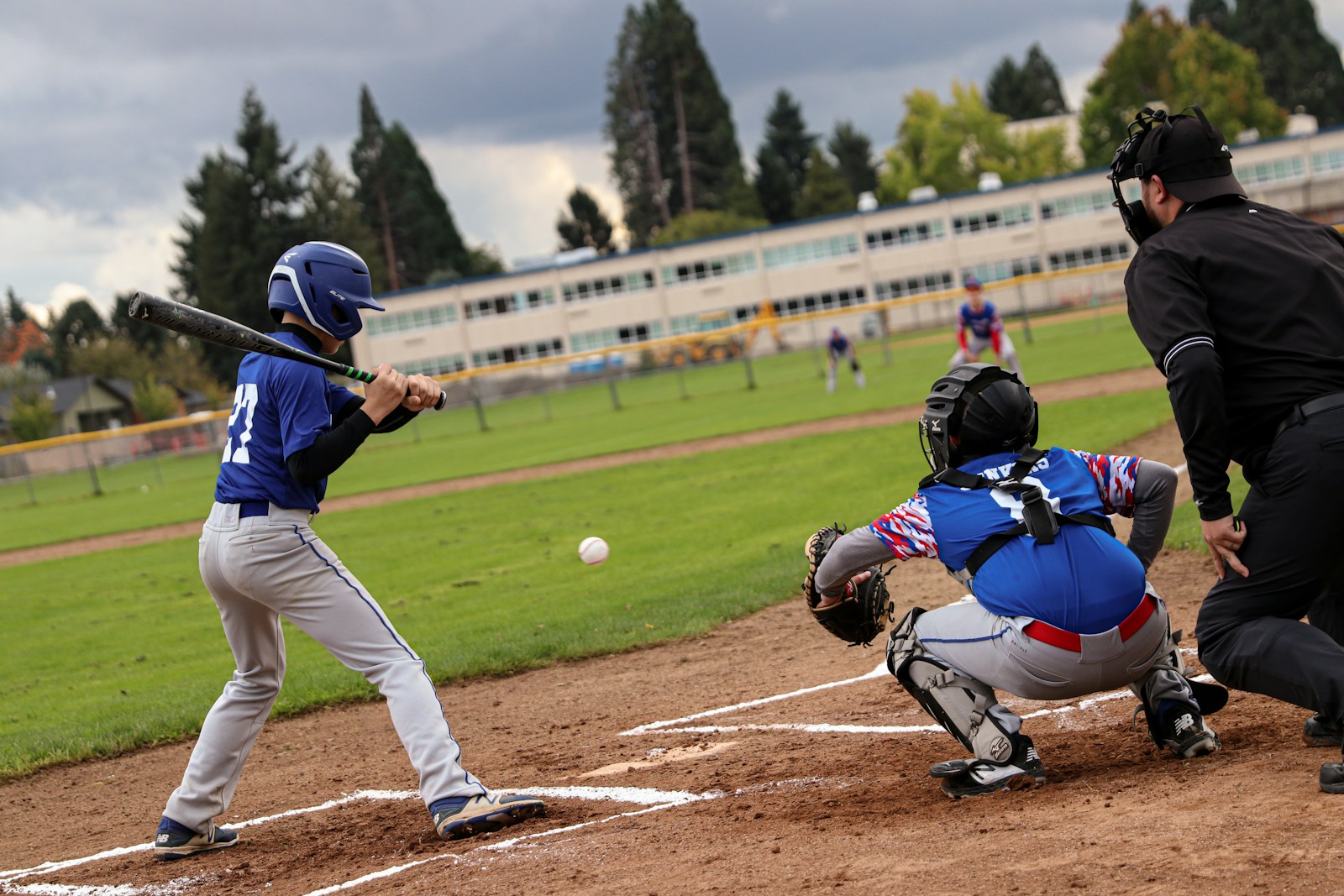
Downtown Reno may soon have a much bigger place for youth sports. Jacobs Entertainment plans to build 12 fields near its downtown properties. The fields could host soccer, lacrosse, local leagues, and travel events.
The idea is simple. Reno needs more places where young athletes can play. A large group of fields could also bring families downtown for games, meals, hotel stays, and weekend events.
The Project at a Glance
- The plan calls for 12 youth sports fields in downtown Reno.
- Four fields are targeted for the first phase by summer 2026.
- The fields could support youth soccer, lacrosse, and similar field sports.
- The site could serve local teams as well as travel tournaments.
- The larger goal is to add field space while bringing more family activity downtown.
Local reporting has also covered the project’s turf plans and environmental questions. This Is Reno’s report on the proposed fields gives useful background on that debate.
Why More Fields Matter
Good fields are basic sports infrastructure. Teams need safe places to practice and play. Families need clear schedules and easy access. Coaches need enough space to run programs without fighting for every open hour.
More space can also help local youth sports programs grow. Larger programs need coaches, event staff, managers, officials, and people who can keep busy weekends organized.
A Boost for Sports Tourism
Travel sports can bring a steady stream of visitors. A tournament may fill fields for a full weekend. Parents and players also need rooms, food, fuel, and places to spend time between games.
That is why field projects can affect more than sports. They can support nearby hotels and restaurants too. A downtown location puts those services close to the action.
What the First Phase Could Look Like
The first four fields are expected to focus on younger players. Smaller formats such as 7-on-7 and 9-on-9 can fit well on flexible field layouts. Later phases would add more space and allow the complex to host larger events.
Families heading to long tournament days may also want simple gear such as a portable sideline chair. It is a small thing, but a comfortable seat can make several hours beside a field much easier.
Turf, Grass, and Long-Term Care
The playing surface will matter. Artificial turf can handle heavy use and needs less water. Natural grass has a different feel and brings its own environmental benefits. Reno’s dry climate makes that choice especially important.
The fields will also need lighting, parking, restrooms, safe walking routes, and regular care. Building a field is only the first step. A good complex must work well year after year.
Community Use Should Stay at the Center
A strong sports site should serve local families as well as visiting teams. That means fair field access, safe routes, useful schedules, and room for community leagues.
Community events show how sport can turn a public space into a regular meeting place. The Sleaford parkrun guide is a good example of a simple sports event becoming part of a family weekend and local routine.
What Success Would Look Like
The best measure will not be the number of fields alone. Reno should be able to ask simple questions. Are local kids getting more field time? Are tournaments coming to town? Are the fields safe and busy? Are nearby businesses seeing useful traffic?
The project will also need enough trained people to keep games moving. That includes coaches, organizers, and game officials who know their roles and can manage competition fairly.
Why the Reno Plan Is Worth Watching
Reno’s plan is part of a wider idea: sports facilities can help shape a city district. We have seen the same broad thinking in projects that use sports venues as urban anchors.
If the 12-field plan moves forward as expected, the real story will be what happens after opening day. Full fields, active families, well-run events, and steady local use would show that the project is doing more than adding turf. It would show that youth sports can become a useful part of downtown life.