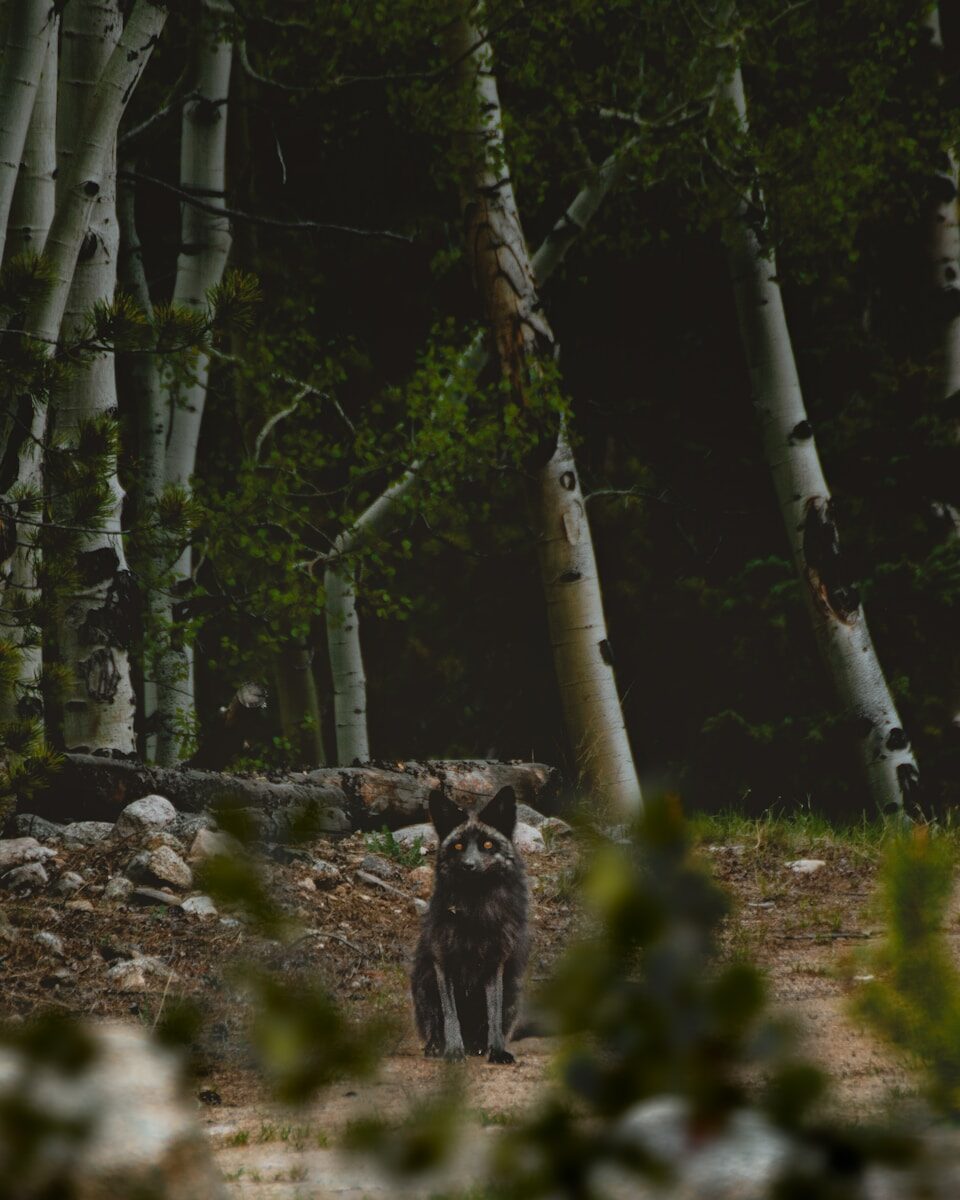
Colorado’s gray wolf story is no longer a plan on paper. Wolves are living, breeding, and moving across parts of the state. That makes the debate more practical than it was a few years ago. Ranchers are watching livestock. Hunters are watching game. Wildlife fans are watching packs grow.
The issue can get heated fast. It helps to start with what we know. Colorado voters approved wolf reintroduction in 2020. The state began releases in late 2023. A second group arrived in early 2025. By 2026, managers had several years of field data to study.
Where Colorado’s wolf program stands in 2026
Colorado Parks and Wildlife says 25 gray wolves have been brought to Colorado through two translocation efforts. Ten came from Oregon in December 2023. Another 15 came from British Columbia in January 2025. The agency also tracks wolves that entered Colorado on their own.
The state’s restoration plan calls for a self-sustaining population. That takes time. Wolves form pairs, raise pups, lose pack members, and travel long distances. A number on one day does not tell the whole story.
Colorado is also a big place. Wolf activity in one watershed does not mean wolves are spread across every ranch, trail, or valley in that area. CPW says its collar maps show where a collared wolf has been, not where a wolf is standing right now.
Why rural communities feel the change first
For a ranch family, the wolf debate can become real in one night. A missing calf, an injured animal, or nervous livestock can mean extra work and worry. That is very different from seeing a wolf through binoculars on a distant ridge.
Good wildlife policy has to make room for both views. Wolves are native wildlife with a role in the landscape. Livestock is also a livelihood. A useful program cannot pretend that either side is imaginary.
This is similar to other public-land debates. Rules work best when people in the field understand them and have a way to speak up. Our guide to starting a Colorado LLC makes the same basic point from a business angle: state rules matter most when they reach your daily work.
Tracking wolves without treating a map like a live location
GPS collars give wildlife staff useful data. They help show movement, survival, and pack behavior. But a public activity map is not a live tracker. A wolf may have moved many miles since its last recorded point.
If you spend time in wolf country, a compact pair of wildlife binoculars can help you watch animals from a safe distance. A trail camera can also document animals using a ranch road, fence line, or remote part of a property. Neither tool replaces an official report, but both can help you keep better field notes.
That same habit helps on any wildlife trip. Our look at wildlife in Banff National Park is a good reminder that large predators are best watched with space between us and them.
What ranchers can do after a suspected wolf loss
Fast reporting matters. If livestock is injured or killed and a wolf may be involved, avoid disturbing the site more than needed. Take clear photos. Note the time and location. Keep pets and other livestock away if possible. Then contact the proper wildlife staff.
Do not assume every dead calf is a wolf kill. Coyotes, dogs, bears, illness, weather, and other causes can leave confusing signs. A careful investigation protects both the rancher and the wildlife program.
Conflict prevention can include range riders, carcass management, fencing changes, lights, noise, and other nonlethal tools. No single tool works everywhere. Terrain, herd size, season, and wolf behavior all matter.
Hunters have questions too
Hunters naturally ask what wolves will mean for elk and deer. That question deserves data, not guesses. Predator and prey numbers change for many reasons. Winter weather, habitat, disease, hunting pressure, drought, development, and migration can all shape a herd.
Wildlife rules also change as managers learn more. Noah’s Outdoors has a useful explanation of how hunting regulations are made and how hunters can take part. That process matters when a new predator becomes established on a landscape.
The outdoor value is real too
There is another side to this story. Many people want the chance to know wolves are back in the Rockies. Wildlife viewing can bring visitors to mountain towns. Photographers, hikers, and naturalists may travel a long way for a chance to see tracks or hear a howl.
Colorado already has places that draw people because the landscape feels wild. Our guide to hidden U.S. destinations worth the detour includes Colorado’s Great Sand Dunes and shows how unusual natural places can become part of a larger travel experience.
What to watch next
The most useful numbers will come over time. Watch pack formation, pup survival, livestock conflicts, compensation claims, wolf deaths, and changes in where packs settle. Those facts will tell us more than a week of angry headlines.
It is also worth watching how quickly officials respond when a ranch has repeated trouble. Public trust depends on clear rules and steady follow-through. Wildlife supporters need good data too. A program this visible cannot run well on rumors.
Living with wolves will take patience
Colorado chose to bring wolves back. Now comes the harder part: living with them. That means protecting livestock, tracking packs, paying valid claims, listening to rural communities, and measuring the wildlife results over many years.
People do not have to agree on every part of wolf restoration to agree on that. Good management should be based on clear facts. Ranchers should get a fair response when losses happen. Wildlife should be managed with care. And the public should be able to see what is working and what is not.