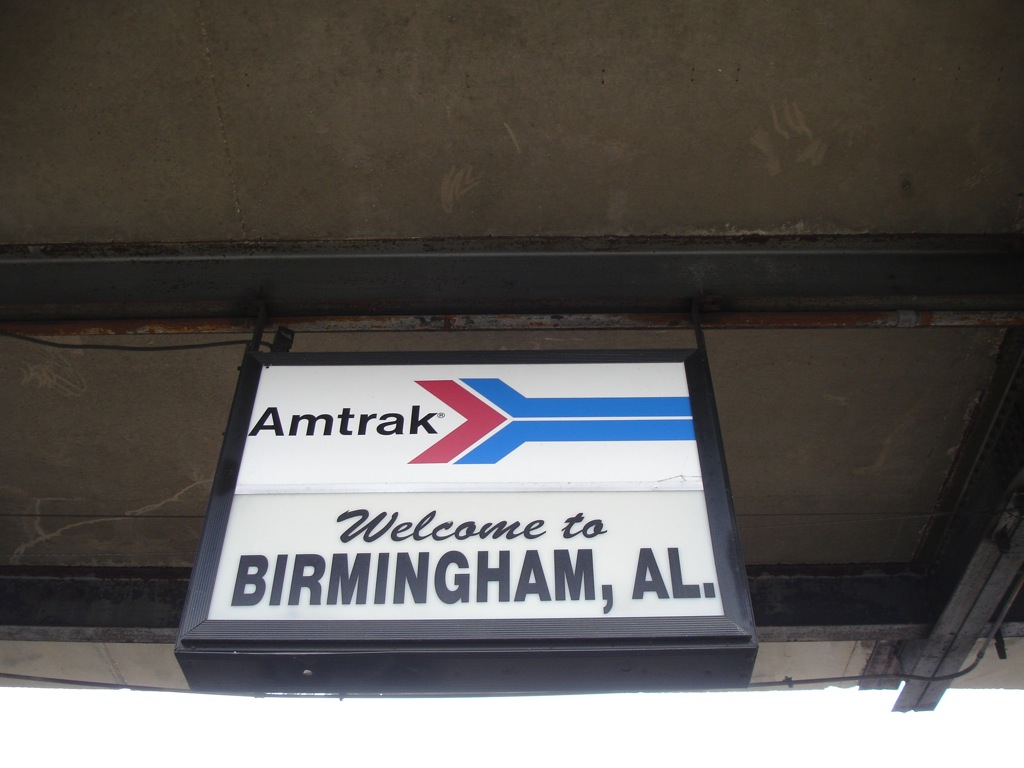
Hello, fellow travelers! This week, I had the delightful experience of discovering Birmingham, Alabama, a city shaped by civil rights history, industry, art, green spaces, and some memorable Southern food. Here’s a snapshot of my journey through the Magic City.
Day 1: A Step Back in Time
I started my trip at the Birmingham Civil Rights Institute, an interpretive museum and research center that chronicles the city’s pivotal role in the Civil Rights Movement. It’s a moving experience, taking you through the struggles and triumphs of people who fought segregation and racial discrimination.
Adjacent to the institute is the historic 16th Street Baptist Church, part of Birmingham’s nationally significant civil rights landscape. The 1963 bombing killed four girls and became one of the defining tragedies of the movement. Standing in this district makes the history feel immediate rather than distant.
Day 2: Art and Green Spaces
The Birmingham Museum of Art beckoned next. Its broad collection spans cultures and centuries, and I especially enjoyed slowing down rather than trying to see everything at once.
After immersing myself in art, I headed over to Railroad Park, a downtown green space with paths, lawns, water features, and city views. It is an easy place to walk, relax, or simply take a break between attractions. If you’re building a walking-heavy itinerary, a compact Alabama travel guide can help keep the next stop close at hand.
Day 3: Culinary Adventures
One cannot visit Alabama without diving into its Southern culinary traditions. Birmingham has everything from barbecue and meat-and-three comfort food to chef-driven restaurants. And if the city’s gardens and green spaces inspire you to take a little Alabama horticulture home, Alabama Grown’s retailer finder points to independent garden retailers around the state.
On Saturday, Pepper Place Market is a natural stop for produce, prepared foods, handmade goods, and a lively local atmosphere. Check the market’s current schedule before planning a visit rather than assuming it operates every day.
Day 4: Industrial Heritage
Birmingham’s industrial past is fascinating. Sloss Furnaces offers a close look at the city’s history as an iron-producing center. Walking among the old furnaces gives you a better sense of why Birmingham grew so quickly and how deeply industry shaped the city.
Day 5: A Breath of Fresh Air
My trip concluded with time outdoors at Red Mountain Park. It was a peaceful way to wrap up my journey, reflecting on the city’s blend of history and modern charm amid nature’s beauty.
Farewell, Birmingham
With a heart full of memories and a belly full of Southern food, I said goodbye to Birmingham. The city asks you to look closely at difficult history while also making room for art, food, parks, and everyday life.
If Birmingham isn’t on your travel list yet, I think it deserves a look. Give the civil rights district the time and respect it deserves, then explore the rest of the city at a slower pace. Safe travels and happy exploring!