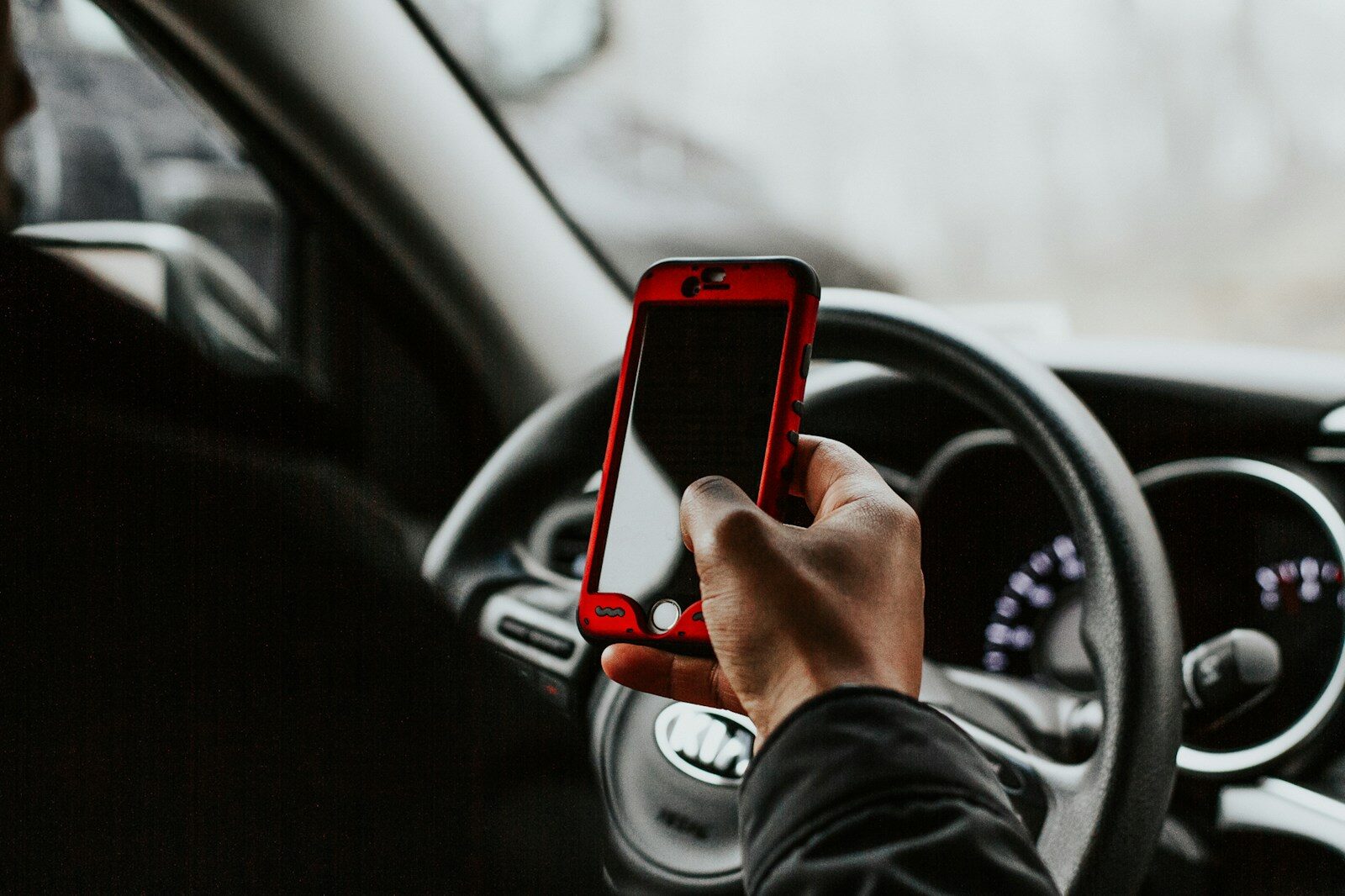
Our phones already hold tickets, cards, keys, and boarding passes.
A mobile driver’s license, often called an mDL, adds a state-approved digital identity credential.
It can be useful, but acceptance still depends on the state, agency, location, and reader.
The Plain Answer
A mobile driver’s license is a digital version of a state ID stored in an approved wallet or state app. It may work at select TSA checkpoints and other participating locations. Carry the physical license or another accepted ID until the places you visit clearly accept the digital version.
Why This Matters
A supported digital ID can verify identity without handing over the full physical card. In other words, the small detail can shape the larger result. When we see that link, we can make a calmer choice instead of reacting to the first screen, price, warning, or problem.
Some systems can share only the needed fields, such as proof of age. In other words, the small detail can shape the larger result. When we see that link, we can make a calmer choice instead of reacting to the first screen, price, warning, or problem.
A dead battery, unsupported reader, or missing network path can still block use. In other words, the small detail can shape the larger result. When we see that link, we can make a calmer choice instead of reacting to the first screen, price, warning, or problem.
How It Works
The credential is issued or approved by the state rather than being a simple photo or screenshot. The exact tools and terms may vary, but the basic path stays the same. Knowing that path makes it easier to spot a missing step or an unusual demand.
At a compatible reader, the phone presents signed data after you approve the request. The exact tools and terms may vary, but the basic path stays the same. Knowing that path makes it easier to spot a missing step or an unusual demand.
A well-designed flow does not require a worker to browse photos, messages, or unrelated apps on your phone. The exact tools and terms may vary, but the basic path stays the same. Knowing that path makes it easier to spot a missing step or an unusual demand.
A Practical Step-by-Step Plan
1. Check state support
Use the official state motor vehicle or licensing site to find the approved app or wallet. Do the step before you need it in a hurry. Save any useful confirmation, receipt, photo, setting, or contact so the next decision starts with facts.
2. Read the current acceptance list
Check the TSA list before a trip because support can differ by airport and checkpoint. Do the step before you need it in a hurry. Save any useful confirmation, receipt, photo, setting, or contact so the next decision starts with facts.
3. Carry backup identification
Bring the physical card or passport when travel matters. Keep it separate from the phone. Do the step before you need it in a hurry. Save any useful confirmation, receipt, photo, setting, or contact so the next decision starts with facts.
4. Lock the phone well
Use a strong PIN, biometric lock, device tracking, and remote erase. Do the step before you need it in a hurry. Save any useful confirmation, receipt, photo, setting, or contact so the next decision starts with facts.
5. Review what is shared
Read the data request before approval and share only what the transaction needs. Do the step before you need it in a hurry. Save any useful confirmation, receipt, photo, setting, or contact so the next decision starts with facts.
6. Plan for phone loss
Know how to remove the credential from a lost device and recover the wallet account. Do the step before you need it in a hurry. Save any useful confirmation, receipt, photo, setting, or contact so the next decision starts with facts.
The Tradeoffs We Should See
Digital ID can be faster and more private, but it depends on hardware, software, power, and reader support. That does not make the option wrong. It means we should compare the benefit with the full cost, the work, and the risk that remains.
Privacy depends on design and rules. Look for clear consent, limited sharing, and an easy removal path. That does not make the option wrong. It means we should compare the benefit with the full cost, the work, and the risk that remains.
The physical card has fewer moving parts and remains the more universal backup. That does not make the option wrong. It means we should compare the benefit with the full cost, the work, and the risk that remains.
Common Mistakes
- Using a screenshot as an official ID
- Leaving the physical card home on an important trip
- Installing an app from a text message
- Handing over an unlocked phone
- Assuming the credential works for every traffic stop
Most of these mistakes come from speed, not bad intent. A written checklist, one trusted source, and a saved record can prevent the same problem from returning.
Questions People Ask
Can I use a mobile ID at any airport?
No. Acceptance is limited to participating states, airports, and checkpoints. When the answer affects safety, money, law, health, or a large purchase, check the current rule or ask a qualified professional who can see the full situation.
Does TSA keep everything from my phone?
The approved process is designed to verify identity through the credential, not open the full phone. Review the current privacy notice. When the answer affects safety, money, law, health, or a large purchase, check the current rule or ask a qualified professional who can see the full situation.
What if my phone dies?
You may need another accepted ID or a separate verification process. When the answer affects safety, money, law, health, or a large purchase, check the current rule or ask a qualified professional who can see the full situation.
Can a bar or store accept it?
That depends on state law and the reader used by the business. When the answer affects safety, money, law, health, or a large purchase, check the current rule or ask a qualified professional who can see the full situation.
Is a mobile ID the same as REAL ID?
The underlying credential may meet REAL ID rules, but federal acceptance has specific requirements. Check official guidance. When the answer affects safety, money, law, health, or a large purchase, check the current rule or ask a qualified professional who can see the full situation.
A One-Minute Decision Check
Before we act, it helps to name the result we want, the largest risk, and the proof that would change our mind. For mobile driver’s license, this pause keeps a small choice from becoming a larger problem. We can ask who controls the process, what could fail, and what record we would want later. The check is short, but it brings the decision back into our hands.
What This Means at Home
At home, a plan works only when more than one person can follow it. Write the main rule for mobile driver’s license in plain words. Put the needed number, setting, document, or tool where the action happens. Tell the people who share the home what to do first. Review the plan after a move, a new device, a storm, a purchase, or another major change.
Carry Both for Now
Mobile ID can make proof faster and more private, but it is still growing. Use the official tool, lock the phone, read each request, and keep the physical card until digital acceptance is routine.
Most of all, we do not need fear to make a careful choice. We need a clear first step, a good source, and enough time to check the result.