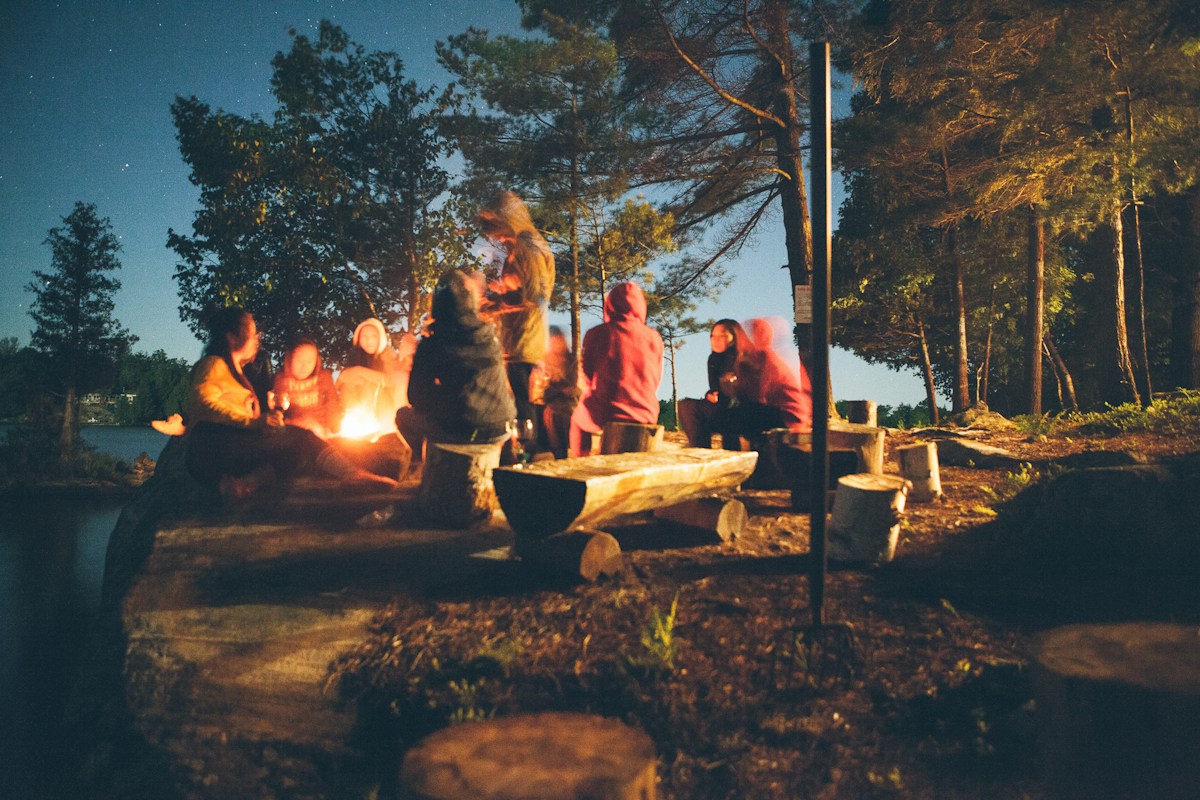
A fall campsite can look perfect at four in the afternoon and feel very different by midnight. Cold ground, wet air, and a longer evening make ordinary mistakes more noticeable. I do not treat every cool-weather trip like an expedition, but I do change a few habits.
The aim is simple: get camp ready before dark, sleep dry, keep water and cooking safe, and avoid buying equipment that does not solve a real problem. These are the checks I use when planning a chilly weekend outdoors.
Cold Starts Before Sunset
When autumn afternoons stay warm, it is easy to pack as though the temperature will hold. A clear evening can cool fast. I plan around the lowest forecast temperature, possible rain, and how much wind will move across camp after dark. I check local alerts as well as the forecast because a comfortable daytime hike does not guarantee a comfortable night.
My first rule is to set up the tent while I can still see. I would rather enjoy the last hour of daylight from a camp chair than discover a missing stake by flashlight. I put the sleeping gear inside, keep a dry change of clothes sealed, and decide where water and a safe cooking area will go before darkness makes everything harder.
The Sleeping Pad Matters as Much as the Bag
A sleeping bag has insulation above and around you, but the part pressed beneath your body loses much of its loft. The pad separates you from cold ground. For chilly nights, I check the pad’s insulation rating rather than choosing by comfort alone. A thick air mattress with little insulation can feel surprisingly cold.
I also avoid bringing damp daytime clothes into my sleeping bag. Even when clothes do not seem soaked, moisture can make a cool night feel worse. A dry base layer, hat, and socks are small additions with an outsized benefit. It is easier to stay comfortable than to recover after getting chilled.
Ventilation Is Not the Enemy
A tent that is zipped tight may feel warmer for a few minutes, but people release moisture with every breath. Wet jackets and boots add more. Overnight, that vapor can condense on colder fabric. The drops may look like a leak even when the fly did its job. I open the vents designed for airflow, keep gear from pressing on the walls, and leave the rainfly pitched properly.
I do not suggest leaving a tent wide open in a storm. The trick is to use the vents and gap positions the manufacturer designed, then balance protection from wind with enough airflow. If the campsite has a sheltered location away from low spots and runoff, that is usually a better choice than putting the tent where air and water collect.
Keep Water Available
Cold weather can make thirst less obvious, but you still need fluids. I fill bottles early, protect them from freezing, and have a safe treatment plan if I am drawing from a natural source. A common mistake is to assume a water filter can be left outside after use. Some filter elements can be damaged if trapped water freezes.
Our earlier camping water filter comparison explains how treatment choices differ. In cold conditions I pay close attention to the manufacturer’s instructions and keep vulnerable filters from freezing. If the filter may have frozen, I do not trust it until the maker’s instructions say it is safe.
Cook Outside and Have a Plan
I like a hot supper when the sun goes down early. I still keep camping stoves outside tents and enclosed shelters because of fire and carbon monoxide hazards. I choose a stable cooking spot with ventilation and a clear area around the burner. Wind can be a nuisance, but putting a stove into a tiny closed space is not the fix.
My guide to using a camp stove in wind has practical placement ideas. Check your stove’s fuel and temperature limitations before the trip. Build the meal around something simple, and make sure there is enough fuel to boil water even if conditions slow the burner.
Light Without a Gear Explosion
A headlamp frees both hands when you have to sort tent zips, cook, or check the ground. I prefer a useful low setting and a red mode over an absurd maximum-lumen claim. Battery behavior matters more than the number printed in a listing. I test the light at home and carry a backup plan that does not depend on one rechargeable device.
One specific option worth comparing is the Black Diamond Spot 400 headlamp. It is not a reason to replace a working light. It is an example of the features to evaluate: usable low output, weather resistance, battery options, and easy controls with cold hands.
Leave the Camp Better Than You Found It
Autumn leaves can hide sharp litter, tent pegs, and food scraps. I walk the entire spot before leaving. Small bits matter because the next camper should not be picking through our mess, and animals should not learn to search campsites for human food.
For more detail on choosing legal and low-impact places to camp, Noah’s Outdoors explains how to find free campsites responsibly. A comfortable camp is partly about equipment, but it is also about using a site in a way that keeps the place open and pleasant for everyone else.
Use a Simple Nightly Check
Before bed I check that water is accessible, the stove has cooled and is stored properly, boots are protected from rain, and the next morning’s clothes are dry. I also look at the forecast again if service is available. If high wind, flooding, or dangerous temperatures are possible, changing plans is a normal part of good camping.
The National Park Service’s camp safety advice emphasizes checking conditions, staying dry and warm, and adjusting when hazards change. That is good advice anywhere. There is no reward for insisting on a miserable night when a safer option is available.
Affiliate disclosure: I may earn a commission from qualifying purchases.