Entertainment journalism is easy to dismiss as celebrity gossip. That misses most of the beat. Good entertainment reporting covers money, labor, technology, culture, contracts, ownership, streaming, fandom, lawsuits, creative work, and the people whose jobs make movies, music, television, games, and live entertainment possible.
In 2026, the job is getting harder. Reporters compete with creators, social feeds, AI summaries, fan accounts, studio marketing, podcasts, and people posting from events in real time. Speed is everywhere. What is harder to find is reporting that slows down long enough to verify what happened and explain why it matters.
Entertainment Journalism Is Bigger Than Celebrity News
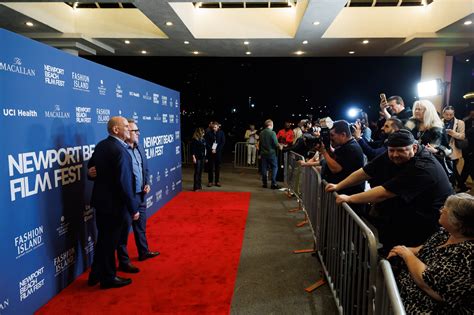
A celebrity interview can be entertainment journalism. So can a review, box-office story, labor investigation, streaming analysis, record-label profile, production-finance story, or report on how a major media deal affects workers.
The beat overlaps with business journalism more than many readers realize.
Our updated look at JYP Entertainment’s 2026 earnings and K-pop business model is a good example. A story that begins with pop groups quickly becomes a story about touring revenue, merchandise, margins, contracts, global markets, and investor expectations.
That is entertainment reporting too.
Culture Is a Serious Subject
Movies, music, television, games, comedy, sports entertainment, and creators shape everyday life.
They influence language. They change fashion. They create political arguments. They affect how people see work, relationships, history, race, gender, class, success, and fame.
Entertainment companies also employ huge numbers of people.
A new streaming strategy can affect writers, actors, editors, accountants, visual-effects artists, crew members, theaters, advertisers, and technology vendors.
When journalism explains those effects, it is not covering fluff. It is covering an industry and a culture at the same time.
The Way People Find News Changed Again in 2026
The latest Reuters Institute Digital News Report shows how much the news environment has shifted.
Across the 48 markets studied in 2026, social media and video networks became the most widely used way to access online news, used by 54% of respondents. News organizations’ own websites and apps were at 51%.
The 2026 Digital News Report also found that 77% of people consume online news video each week.
That matters to entertainment journalists because entertainment has always been visual and social. A premiere clip, interview answer, concert moment, trailer, or celebrity statement can travel through TikTok, Instagram, YouTube, X, Facebook, and fan accounts before a traditional article is published.
The reporter no longer controls the first version of the story.
Creators Are Now Part of the News System
The same 2026 research found that 27% of respondents get some news from news-focused creators or influencers each week.
Creators often have advantages traditional publications do not.
They can move fast. They can speak directly to one fandom. They often sound more personal. They may know a niche community better than a general reporter does.
Audiences in the Reuters Institute research said creators can feel more entertaining, understandable, and relatable.
But the same audiences often rated creators as less trustworthy and less impartial.
That gap is important.
Entertainment journalism does not need to imitate creators badly. It needs to learn from what they do well while keeping the reporting standards that make journalism useful.
A Fast Take Is Not the Same as Reporting
Anyone can react to a trailer.
Anyone can repeat a post from an actor or studio.
Reporting begins when we ask what is missing.
Who confirmed the claim?
Is the quote complete?
Was a video edited?
Is the image real?
Does the contract say what people online claim it says?
Is the “exclusive” actually new?
Was a rumor started by a fan account, a publicist, a competitor, or someone with direct knowledge?
Those questions are what separate journalism from content recycling.
AI Makes Verification More Important, Not Less
AI is changing both the production and consumption of news.
The 2026 Digital News Report says 10% of respondents now use AI chatbots for news, up from 7% the year before. Among people under 35, use was higher.
At the same time, realistic AI images, cloned voices, fake screenshots, and synthetic video make it easier to create false entertainment stories.
That is a serious problem for a beat built around images, audio, celebrity identities, trailers, leaked material, and viral clips.
Verification now has to include questions that barely existed a few years ago.
Is this really the celebrity’s voice?
Was this photograph generated?
Did this clip come from the event it claims to show?
Was the social account compromised?
Is the screenshot a real post or a fake interface?
AI can help journalists search, transcribe, organize, and compare material. It cannot remove the responsibility to verify the final claim. For interviews where clean source audio matters, a portable audio recorder can give reporters a reliable reference for quotes and transcription.
The Access Problem Has Not Gone Away
Entertainment journalism has always had an awkward relationship with access.
Reporters may depend on studios, labels, networks, teams, publicists, festivals, and talent representatives for interviews and screenings.
That creates a basic tension.
The source wants good publicity.
The journalist needs enough independence to report something that may not be flattering.
If the relationship becomes too friendly, the coverage starts to read like promotion.
If a reporter asks difficult questions, access may shrink.
That is why independence matters so much on this beat.
Press Junkets Can Be Useful and Limiting at the Same Time
A press junket can give many outlets access to actors, directors, or musicians in a short period.
That is efficient.
It also creates interviews that can feel almost identical.
Time may be short. The setting may be tightly controlled. Publicists may define what is off limits. The subject may answer the same question dozens of times.
A skilled reporter can still get useful material from that setting.
But the best entertainment journalism cannot depend only on official access.
It needs contracts, filings, workers, former employees, experts, crew members, local records, data, independent sources, and people who are not speaking through a publicity plan.
Cover the Workers, Not Just the Stars
One of the easiest ways to make entertainment journalism stronger is to widen the source list.
Talk to editors. Production accountants. Stunt performers. Costume teams. Background actors. Writers. Stagehands. Game developers. Theater owners. Payroll specialists. Tour workers. Union representatives. Venue staff.
Our guide to Entertainment Partners careers and production-support jobs shows how much of the industry exists outside the creative spotlight. Payroll, finance, technology, and labor systems are part of entertainment even if those workers are rarely photographed on a red carpet.
When journalists include those voices, the industry looks more real.
Media Companies Are Stories Too
Entertainment journalists should understand who owns the channel, platform, studio, promotion, label, or publication they are covering.
Ownership affects strategy.
Distribution deals affect audiences.
Advertising affects incentives.
Rights agreements affect where people can watch.
Our article on Anthem Sports & Entertainment’s 2026 media strategy is built around that idea. A story about wrestling, movies, or music can also be a story about distribution, owned brands, niche audiences, live events, and media economics.
Good entertainment reporting sees both layers.
Reviews and Reporting Are Different Jobs
Criticism is not the same as news reporting.
A critic can have a clear opinion. That is the work.
A reporter can analyze facts, but should not hide important evidence because it does not fit a preferred story.
Readers benefit when outlets make the distinction clear.
A review should feel like a review.
A reported news story should show where information came from.
An analysis piece should explain what is fact and what is interpretation.
Confusion between those forms makes trust harder.
Embargoes Are Not Automatically a Problem
Entertainment journalists often receive material under embargo.
An embargo means the reporter can see or hear something before the public but agrees not to publish until a specific time.
That can help journalists prepare thoughtful work instead of rushing.
The problem begins when access conditions control the substance of coverage rather than the timing.
A journalist should know what agreement was made and whether accepting it harms independence.
Rumors Need Better Labels
Entertainment coverage is full of rumors.
Casting rumors. Tour rumors. Relationship rumors. Acquisition rumors. Game-release rumors. Album rumors.
Some turn out to be right.
That does not mean publishing every rumor was good journalism.
If information is unconfirmed, say so clearly.
If the source is anonymous, explain why the person is in a position to know when that can be done safely.
If the claim comes only from another outlet, credit that outlet.
If a rumor cannot be verified and adds little value, sometimes the best decision is not to publish it.
Corrections Matter on a “Fun” Beat Too
A wrong release date may seem minor.
A false accusation is not.
Entertainment stories can affect careers, reputations, businesses, families, and legal disputes.
Corrections should be clear.
Do not silently change a major error and hope nobody notices.
The basic principles of journalism still apply: seek truth, minimize harm, act independently, and be accountable.
The Society of Professional Journalists is even revisiting its ethics code in 2026 to address a news world shaped by AI and independent creators. The technology changes. The need for accountability does not.
Entertainment Reporters Need Business Skills
A modern entertainment journalist should be comfortable reading more than press releases. For interviews and field notes, a reporter notebook is still one of the simplest tools to keep facts, names, and follow-up questions organized.
Financial statements matter.
Court filings matter.
Union agreements matter.
Ratings and audience data matter.
Box-office methodology matters.
Streaming metrics need context because companies may define success differently.
A journalist who understands the business can ask better questions and spot weak claims faster.
They Also Need Platform Skills
Being right is not enough if nobody finds the work.
Journalists now need to understand headlines, search, newsletters, podcasts, video, social platforms, and audience behavior. A useful example is this Footage Vault look at why a simple YouTube how-to video keeps earning attention, which shows how clear presentation and audience intent can keep video useful long after publication.
That does not mean turning every story into clickbait.
It means learning how to present serious reporting in the places audiences actually use.
In 2026, more people encounter news through platforms than through a publisher’s homepage. Reporters can dislike that fact. They still have to understand it.
AI Search Changes the Value of Original Reporting
As more people ask AI tools to summarize a topic, copied and rewritten material becomes even less valuable.
Original reporting becomes more valuable.
If ten sites repeat the same announcement, an AI summary can compress them easily.
If one reporter has a new interview, verified document, dataset, or firsthand observation, that work adds something the rest of the internet does not have.
That is where I think journalism should invest.
Not more rewrites.
More evidence.
What Good Entertainment Journalism Looks Like
For me, strong entertainment journalism has a few clear traits.
- It distinguishes reporting from promotion.
- It verifies viral images, clips, and claims.
- It credits original sources.
- It gives enough context for readers to understand the business.
- It covers workers as well as famous people.
- It labels opinion, review, analysis, and news clearly.
- It corrects mistakes.
- It avoids treating access as more important than independence.
- It knows when a rumor is not worth publishing.
- It gives readers something they could not get from a press release.
Where Entertainment Journalism Goes Wrong
The beat gets weak when speed becomes the only goal.
It gets weak when a reporter is afraid to lose access.
It gets weak when a publication rewrites social posts all day and calls it reporting.
It gets weak when headlines exaggerate what the story actually proves.
It gets weak when AI-generated copy replaces reporting instead of helping with the routine parts of the job.
And it gets especially weak when the audience cannot tell who is a journalist, who is a marketer, who is a paid influencer, and who is simply repeating a rumor.
The Human Part Matters More in an AI News World
One thing AI cannot replace easily is genuine observation.
A reporter can notice the mood in a room.
A critic can recognize when a new film is borrowing from something obscure.
An interviewer can hear hesitation in an answer and know which question to ask next.
A local reporter can know that a venue’s official statement does not match what workers have been saying for months.
That kind of knowledge comes from time, memory, relationships, curiosity, and being present.
Those are not old-fashioned skills.
They are becoming more valuable.
The Beat Still Has a Future
I do not think entertainment journalism is dying.
I think low-value entertainment content is becoming easier to replace.
That is different.
A generic recap of a trailer can be automated.
A rewritten press release can be automated.
A list of social posts can be automated.
Reporting that finds something new, verifies it, explains it, and gives it cultural or business context is much harder to replace.
Past the Red Carpet
Entertainment journalism matters because entertainment itself matters.
It is an industry, a workplace, a cultural force, and a huge part of how people spend their time and money.
The beat should be fun when the story is fun. It should be skeptical when powerful people make claims. It should be careful when reputations are at stake. It should be curious enough to look beyond the star standing in front of the camera.
In 2026, we have more entertainment information than ever.
What we need is more reporting that helps us know which parts are true, which parts are marketing, which parts are opinion, and which parts actually tell us something about the world behind the show.