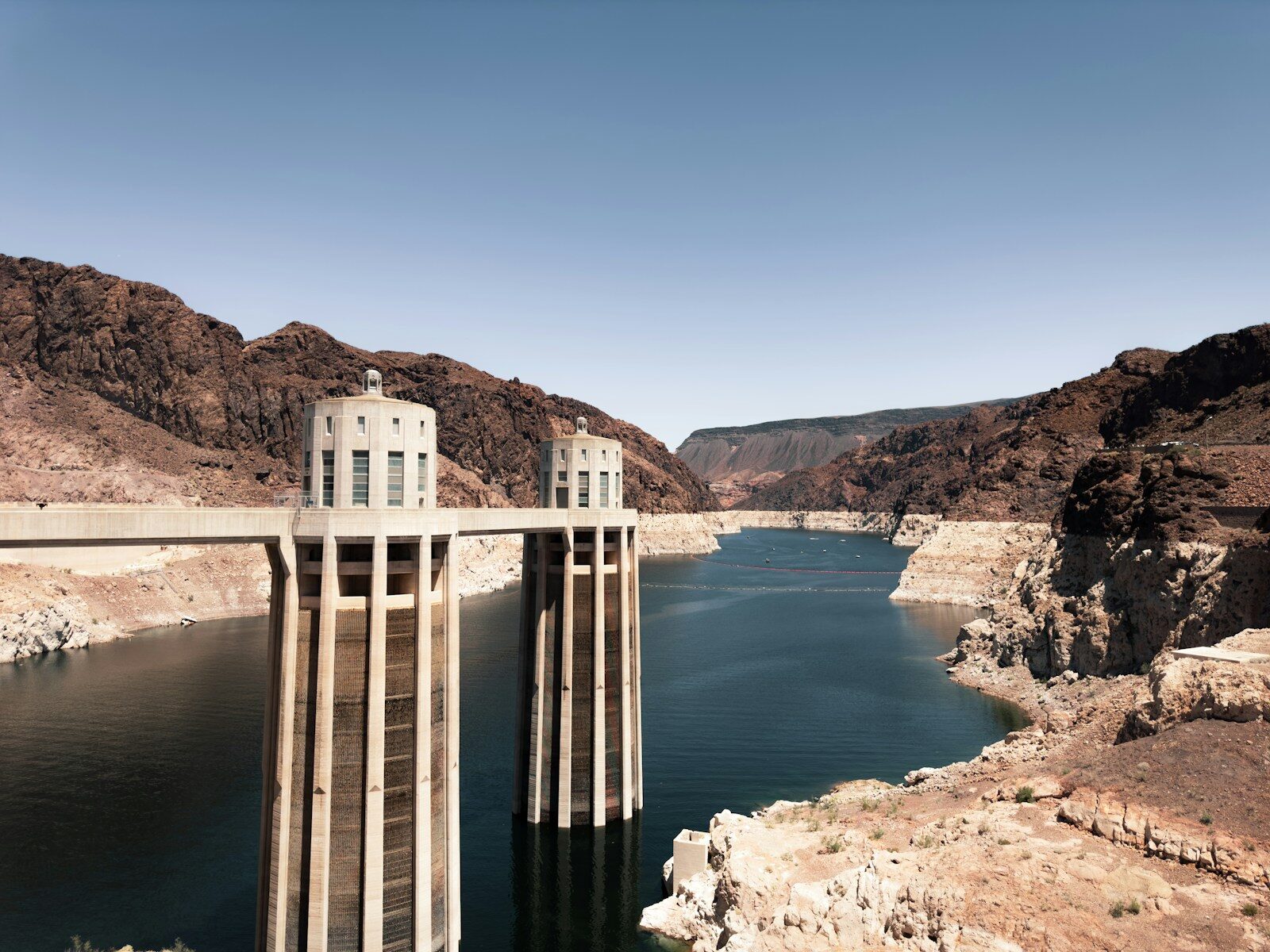
Arizona housing growth still comes down to a basic desert question in 2026: where will the water come from? New subdivisions need roads, power, schools, and sewer service, but none of those matters much if the long-term water plan is weak.
That does not mean Arizona is simply “running out of water.” The real picture is more complicated. State rules treat groundwater differently depending on location, water providers can earn long-term supply designations, and newer programs are trying to shift growth away from unmanaged groundwater dependence. Buyers need to know which system serves the property before they judge the risk.
Arizona’s 100-year water rule in plain English
Arizona’s Assured and Adequate Water Supply programs both look at whether water can serve current users and expected growth for at least 100 years. The rules are designed to keep new development from being approved on a promise that does not hold up under long-term demand.
Inside an Active Management Area, or AMA, the Assured Water Supply rules are the stronger test. A new subdivision generally must show an assured 100-year supply or be served by a provider that already holds an approved designation.
Outside an AMA, the Adequate Water Supply program works differently. In many areas, the key requirement is disclosure of whether the supply is adequate or inadequate. Some local governments can adopt stronger mandatory adequacy rules.
The seven Active Management Areas matter
Arizona uses AMAs in places where groundwater management is especially important. The seven AMAs cover parts of Cochise, Graham, Maricopa, Pima, Pinal, Santa Cruz, and Yavapai counties.
That means two homes in Arizona can face very different water rules even if both sit in fast-growing desert communities. The location, provider, source of supply, and subdivision status all matter.
Pinal County reached a major milestone in 2026
In March 2026, Arizona Water Company became the first provider in more than 20 years to receive a 100-year Assured Water Supply designation in the Pinal AMA. The Arizona Department of Water Resources announcement says the designation can support existing demand plus more than 80,000 new homes within the provider’s service area.
That is important because Pinal County has spent years trying to reconcile strong housing demand with groundwater limits. The designation does not mean every proposed development now has unlimited access to water. It means the provider demonstrated that its approved portfolio can meet the Assured Water Supply standard.
ADAWS opened another path to a designation
The Pinal designation used Arizona’s Alternative Designation of Assured Water Supply pathway, often called ADAWS. The program was built to give qualifying water providers another way to meet the 100-year standard while keeping the consumer protections behind the original groundwater law.
The important word is alternative, not easier. A provider still has to show a reliable long-term water portfolio and meet state requirements. ADAWS does not erase the 100-year test or turn projected groundwater shortages into free water.
A 100-year designation is not a promise that drought disappears
People sometimes hear “100-year water supply” and imagine a guarantee that nothing can go wrong for a century. That is not what the program means.
The state evaluates physical availability, legal access, continuous availability, water quality, financial capability, and consistency with management goals. Those are serious protections. They are still based on models, approved supplies, infrastructure, and assumptions that can change as new information arrives.
Water planning is therefore an ongoing job. A designation is much stronger than a vague promise from a developer, but buyers should still understand the provider and source behind the tap.
Phoenix groundwater modeling changed again in 2026
The Arizona Department of Water Resources updated the Phoenix AMA groundwater model and its 100-year Assured Water Supply projection in 2026. The new version uses newer pumping and recharge data and changes some assumptions about future pumping.
That matters because groundwater models are not frozen forever. Better data can change how the state sees pumping, recharge, well movement, and unmet demand.
For a buyer, the practical lesson is not to become a groundwater modeler. It is to understand that Arizona keeps testing long-term supply claims against updated information rather than relying only on an old map.
Ag-to-Urban tries to connect housing growth with reduced farm pumping
Arizona also created the Ag-to-Urban program, often shortened to A2U. Eligible agricultural groundwater-right holders in the Phoenix and Pinal AMAs can voluntarily give up certain pumping rights in exchange for groundwater savings credits that can help satisfy part of an Assured Water Supply application.
The idea is to connect urban development with a real reduction in agricultural groundwater pumping rather than simply adding a new demand on top of the old one.
A 2026 update also created temporary permits that can allow irrigation to continue for up to two years while the related Assured Water Supply process is being completed. Other water-supply requirements still apply.
Growth needs infrastructure, not just available land
Arizona’s water debate reminds me of another kind of growth pressure. Our look at the Texas power grid and fast-rising electric demand shows the same basic truth with electricity: a region can have plenty of land and investment interest, but growth is only durable when the hard infrastructure can support it.
For Arizona housing, water treatment, wells, pipelines, storage, recharge, conservation, and legal water rights are part of the real development cost. A cheap parcel is not automatically an easy place to build a community.
Monsoon rain does not solve the groundwater problem
Arizona can go from months of dry weather to violent summer storms in a short time. This Arizona monsoon home-preparation guide is a useful reminder that heavy rain and long-term water supply are two different issues.
A dramatic storm can flood a road while doing little to refill a deep aquifer where and when communities need it. Recharge depends on location, soil, geology, infrastructure, and how water moves through the watershed.
Flash flooding is a separate household risk
Water scarcity and flood danger can exist in the same desert. Our flash-flood safety plan for the home covers alerts, evacuation, documents, and property preparation for the other side of Arizona’s water reality.
Do not let a long-term groundwater discussion make you underestimate short-term storm risk. They require different plans.
What homebuyers should ask before making an offer
- Who is the water provider?
- Is the property inside an Active Management Area?
- If it is a newer subdivision, does it have an Assured Water Supply certificate or service from a designated provider?
- If it is outside an AMA, what does the subdivision public report say about water adequacy?
- Is the home on a municipal system, private water company, shared well, or individual well?
- What are the current water rates and connection fees?
- Are major water infrastructure projects or assessments planned?
- Has the well depth or production changed if the property uses a private well?
Those questions are not alarmist. They are the water version of checking the roof, taxes, insurance, and HOA documents before buying.
Older homes and private wells need a different review
The Assured Water Supply program is especially important for subdivision growth, but not every existing rural home fits neatly into that system. A house on an individual well may require a more property-specific review.
Ask for the well record if available. Look at depth, pump history, repairs, storage, water quality, and nearby well trends. If water quality is a concern, a home water quality test kit on Amazon can be useful as a basic screening tool, but serious private-well decisions may need certified laboratory testing.
Small leaks still matter at home
A homeowner cannot fix a regional aquifer with one household conservation project. That does not mean household waste is irrelevant.
A hidden toilet leak, irrigation break, or failed supply line can waste water and damage the house. A simple home water leak detector on Amazon can help catch some problems early. It will not change state groundwater policy, but it can protect the property and reduce avoidable use.
Water costs belong in the housing affordability calculation
People often compare homes using purchase price, mortgage payment, and taxes. Water service can become another meaningful cost when a fast-growing area needs new treatment plants, wells, pipelines, or imported supplies.
Our guide to how people afford housing in California makes a broader point that applies here too: the real cost of a home is the full monthly and long-term carrying cost, not the number printed on the listing.
In Arizona, that full cost can include rising utility rates, connection charges, well maintenance, water-softening needs, irrigation changes, and infrastructure assessments.
Do not confuse conservation with stopping growth
The useful policy question is not “growth or water.” Arizona needs both housing and long-term water security.
Good water rules can make development slower or more expensive in some places. They can also prevent buyers from purchasing homes in subdivisions that were approved without a credible long-term supply.
That consumer-protection role is easy to miss when the debate becomes political.
What I would watch next
- New ADAWS designations in the Phoenix and Pinal AMAs.
- How the 2026 Phoenix groundwater model affects pending Assured Water Supply applications.
- Use of Ag-to-Urban groundwater savings credits.
- Water-provider rates and infrastructure charges in fast-growing communities.
- Changes in subdivision approval rules outside Active Management Areas.
- New groundwater-management areas and local conservation requirements.
Every new roof needs a real water plan
Arizona’s 2026 water story is not a simple crisis headline. It is a planning test.
The Pinal County designation shows that housing growth can move forward when a provider proves a qualifying long-term supply. The Phoenix model update shows that the state keeps revisiting the groundwater math. Ag-to-Urban shows an effort to connect new urban demand with reduced agricultural pumping.
For buyers, the best response is not panic. Find the provider. Find the water-supply status. Understand whether the property is inside an AMA. Read the subdivision documents. Ask about rates, wells, and future infrastructure.
A home can last for generations. In Arizona, the water plan deserves to be built on the same time scale.