The 2026 World Cup is over, but its travel story is still useful. For 39 days, fans crossed the United States, Mexico, and Canada to follow teams, fill stadiums, join public watch parties, and turn host cities into temporary soccer capitals.
What stood out to me was not only the size of the tournament. It was the way travel became part of the event itself. The first 48-team World Cup used 16 stadiums and 104 matches. FIFA reported a record 6,810,966 people inside the stadiums. Millions more joined fan events outside them.
The Scale Changed How Fans Had to Travel
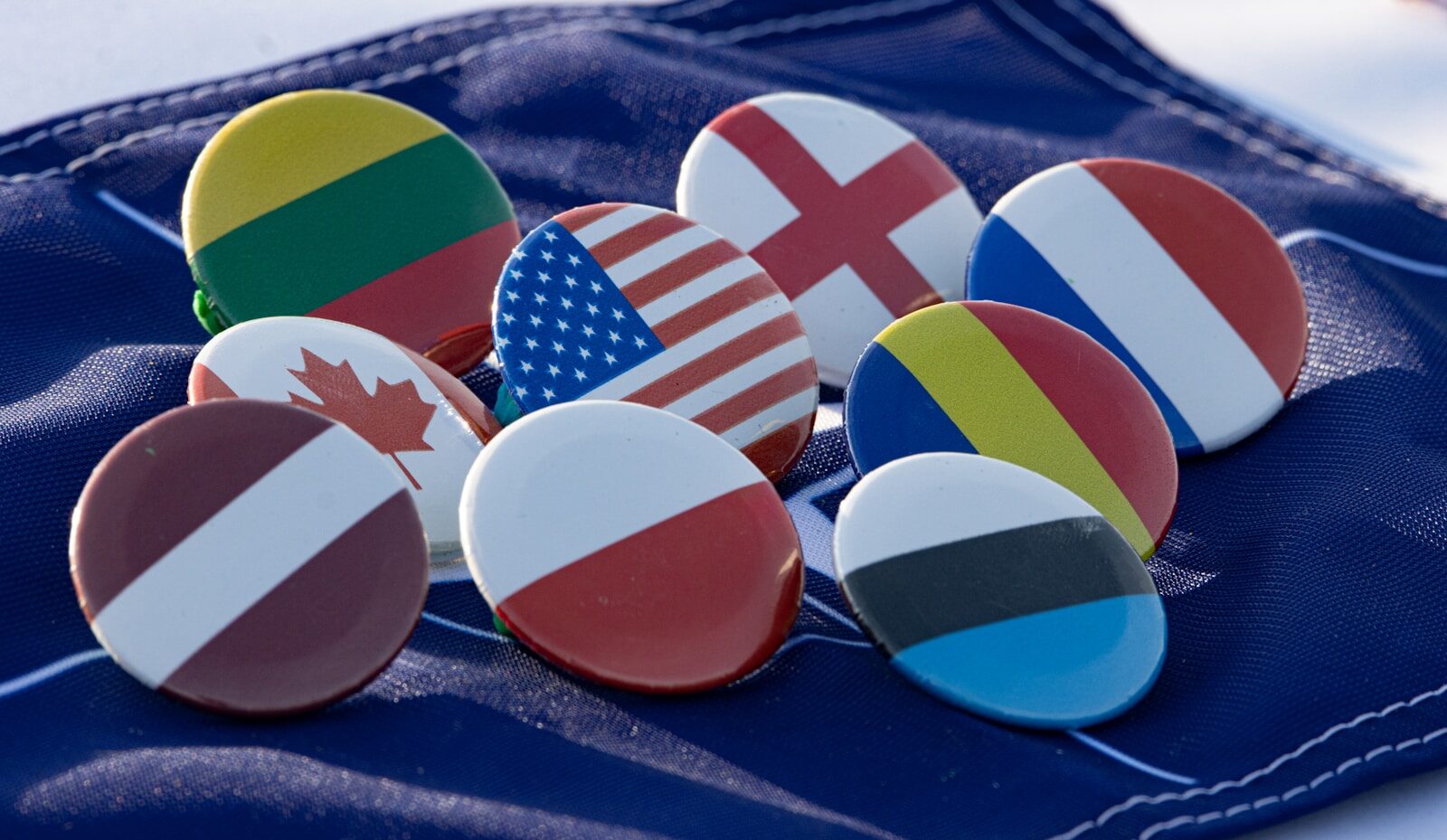
This was not a tournament where most visitors could stay in one compact region and see everything.
Matches were spread across three countries. The host map stretched from Vancouver and Seattle in the northwest to Miami in the southeast, with Mexico City, Guadalajara, and Monterrey farther south.
That made route planning important.
A fan following one national team could face long flights, airport transfers, hotel changes, and different local transit systems. Someone trying to see several unrelated matches could spend almost as much time moving as watching soccer.
The lesson is simple for future large tournaments: distance on the schedule matters as much as the match list.
Trying to Follow Too Many Matches Could Wear You Out
The temptation at a World Cup is to pack the calendar.
One match today. Another city tomorrow. A third game two days later.
It looks exciting on a screen.
In real life, airports, traffic, hotel check-ins, security lines, and late finishes can grind you down.
I think the better trip is often the one with more breathing room.
Pick the matches that truly matter. Leave buffer days between long moves. Stay in one host city longer when possible.
A World Cup trip should feel like a trip, not a delivery route.
The Host City Was Part of the Ticket
One of the biggest 2026 lessons was that you did not need to be inside a stadium every day to feel the tournament.
FIFA said more than 9 million people attended official Fan Festivals across 13 host cities. Those sites showed matches and mixed soccer with food, music, culture, and live entertainment.
That gives future travelers another way to plan.
If the match ticket is too expensive, sold out, or simply not your priority, the host city can still carry the experience.
That is especially useful for families and groups where not everyone wants to spend the same amount on stadium seats.
New York New Jersey Showed Why Transit Planning Comes First
The final was played at New York New Jersey Stadium on July 19, where Spain beat Argentina 1-0 after extra time.
That venue became a good example of why travelers should study transportation before choosing a hotel.
The stadium is not in central Manhattan. A room that looks close to New York attractions can still create a very different match-day trip than a room near the New Jersey transit side.
Our guide to New Jersey World Cup transit and MetLife match days explains the transport problem in more detail.
The broader lesson applies everywhere.
Do not book a hotel because the map says it is eight miles from the stadium.
Find the actual match-day route first.
Stadium Distance Can Be Misleading
Five miles can be easy in one city and miserable in another.
A stadium may sit beside a rail line. It may require a shuttle. It may be surrounded by parking. It may be outside the tourist district. Event-day road closures can also change a normal route.
Before paying for a room, check:
- the closest practical transit station;
- special-event service;
- last-train times;
- walking distance after the game;
- rideshare pickup rules;
- whether parking requires advance purchase;
- how long the return trip may take after a full stadium empties.
That little bit of research can save hours.
The Tournament Proved That Crowds Can Be Bigger Than the Stadium
FIFA’s final tournament recap put total stadium attendance at 6,810,966.
That number alone is huge.
But it still does not capture the full travel pressure.
Visitors also filled fan zones, airports, trains, restaurants, hotels, bars, public squares, and tourist sites.
In other words, a host city can feel like World Cup territory even on a day when no match is being played there.
If you dislike crowds, build quiet time into the trip.
If you love the energy, stay near the fan activity and lean into it.
Packing Light Made More Sense Than Ever
A multi-city tournament is a bad place to drag too much luggage.
Every extra bag becomes another thing to move through airports, stations, hotel lobbies, elevators, and crowded sidewalks.
If I were doing the trip again, I would pack for repeat use rather than a different outfit for every day.
Our guide to packing light for a two-week trip fits this kind of travel well.
A small wardrobe, comfortable shoes, a light rain layer, charging gear, medicine, and one manageable bag can make a moving trip much easier. A carry-on travel backpack can also make airport and train transfers easier when you are changing cities often.
Comfortable Shoes Were Not Optional
World Cup travel meant walking.
You walked through airports. You walked to transit. You walked through security. You walked around fan zones. You walked after trains stopped close to the venue but not at your seat.
This is not the trip for brand-new shoes.
Wear something you already trust.
A sore foot on day two can become the main character for the rest of the week.
Airport Connections Deserved More Buffer
The North American host map pushed many fans toward flying.
That made connection time important.
A short layover may look efficient until the first flight lands late, the gate changes, or immigration and security take longer than expected.
Our guide to making airport layovers easier covers the same principle: a little extra time can turn a connection from panic into a normal part of the day.
For a match trip, I would rather arrive early and eat lunch than spend kickoff watching a flight-status screen.
Crossing Borders Added Another Layer
This tournament involved the United States, Canada, and Mexico.
That meant some travelers needed to think about passports, entry rules, visas, mobile roaming, currency, and travel insurance in addition to ordinary domestic planning.
The important lesson is to check requirements based on your own citizenship and route.
Do not assume that because two cities are part of one tournament they function like one domestic trip.
International borders still matter.
Your Phone Became a Travel Tool
Tickets, maps, transit directions, airline alerts, hotel reservations, translation, rideshare apps, and group messages all lived on the phone.
That made battery life more important than people sometimes expect.
A small portable power bank was one of the easiest useful items to carry.
So was an offline copy of the hotel address and basic travel details.
If the network gets crowded or the battery gets low, you still need to know where you are going.
Mobile Data Needed a Plan Too
International visitors often had to think about roaming.
Some carrier plans included Canada and Mexico. Others charged extra. Some travelers used local SIMs or eSIMs.
That is one reason I would check mobile service before leaving home rather than solving it after landing.
Maps and messaging are not luxuries on a trip like this.
They are part of the travel system.
Heat and Weather Could Change the Day
The World Cup ran through summer.
Host cities could be hot, humid, rainy, or all three in the same week.
Travelers needed water, sun protection, weather awareness, and realistic expectations about how much walking felt comfortable.
It is easy to make a plan at home that says, “We will walk around all afternoon before the match.”
That idea can look very different at 95 degrees.
Build the day for the weather you are actually in.
Hotels Were About Location More Than Luxury
A fancy room is nice.
A useful room may be better.
For event travel, I care about:
- safe late-night access;
- good transit;
- easy food nearby;
- a reasonable airport route;
- flexible cancellation;
- quiet enough sleep.
If a cheaper hotel adds $80 of rideshares each day, it may not be cheaper.
Compare the whole stay, not just the nightly rate.
Groups Needed a Meeting Plan
Large sports crowds can split people quickly.
One person stops for food. Another heads to the restroom. Cell service gets slow. Suddenly the group is trying to find each other in a sea of jerseys.
Pick a meeting point before entering a crowded event.
Do the same before leaving the stadium.
Simple plans work best when the fancy technology fails.
Public Watch Parties Were Not a Second-Rate Experience
I think this is one of the nicest lessons from 2026.
You did not have to spend top ticket money every day to have a real World Cup memory.
Fan Festivals drew more than 9 million visits across the tournament.
People watched games with strangers, heard live music, ate local food, and saw supporters from many countries in one place. The way soccer now spills beyond stadiums and into digital culture is also easy to see in Footage Vault’s look at Ronaldo and modern sports entertainment.
For some travelers, that may have been more memorable than sitting high in a stadium for a neutral match.
The Best Trips Did Not Chase Perfection
Big event travel is messy.
A train gets crowded.
A restaurant has a wait.
A flight changes gates.
Your team loses.
The weather changes.
That does not mean the trip failed.
World Cups are partly about the strange moments between the planned ones.
The stranger who teaches you a chant. The family wearing three different national jerseys. The breakfast room where everyone is arguing about last night’s referee call.
You cannot schedule that.
What I Would Do Differently Next Time
If I were planning another multi-city World Cup trip, I would make five changes.
- I would choose fewer matches.
- I would leave more time between cities.
- I would book lodging around transit before price alone.
- I would pack one smaller bag.
- I would schedule at least one full day with no required event.
That may sound less ambitious.
I think it would create a better trip.
North America Learned How Big the Game Can Feel
The 2026 World Cup set a new attendance record and filled 16 stadiums across three countries.
Spain left New York New Jersey with the trophy.
Travelers left with something less tidy.
They learned which cities were easy to move through. Which routes were too ambitious. Which fan zones were worth the trip. Which bags were too heavy. Which long travel days looked smarter on paper than they felt in real life.
That is useful knowledge.
The soccer gave us the reason to go.
The travel shaped the memory.
For a tournament spread across a continent, that may be the biggest lesson of all.